

Even a little exercise linked with lower stroke risk in people with afib

Testosterone therapy without evidence of deficiency may boost heart risk

Weight-loss drug may lower risk of heart attacks and infections

What to eat on the DASH diet

Migraine: How it's diagnosed and what that means

Tricep workouts you can do at home

Mindfulness practices to reduce stress and improve focus

Antihistamines may not offer meaningful relief from eczema symptoms

Overweight and taking blood pressure medications: Study finds it's a trend that's working

FDA approves first mRNA-based flu vaccine
Dietary patterns Archive
Articles
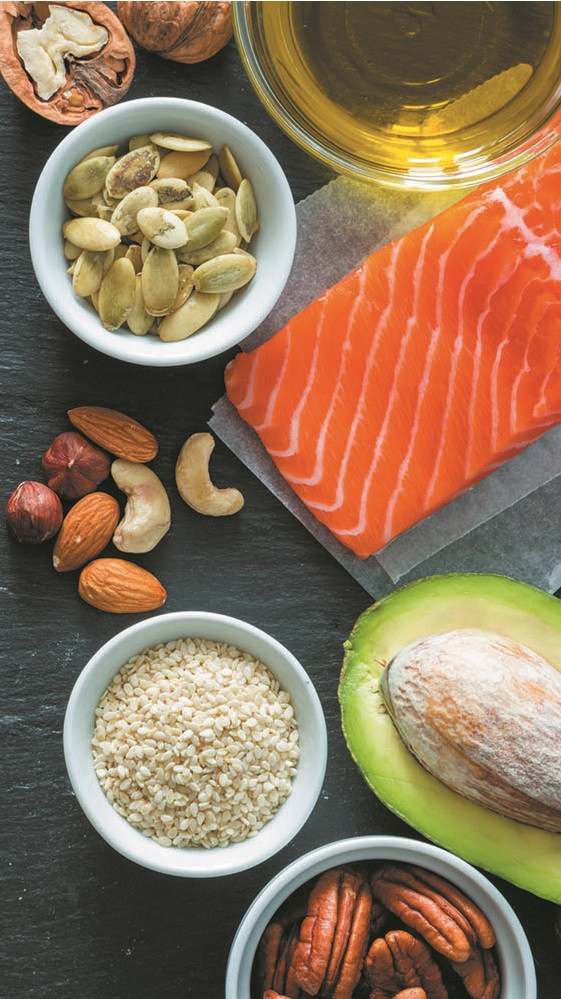
Getting to the heart of the fat issue
A certain amount of healthy fat is good for your heart.
Low-fat, no-fat, fat-free. Fat has been shamed for so long, it's easy to think there's no place for it in a heart-healthy diet. But the opposite is true. "It's a myth that lowering fat intake is healthy," says Dr. Frank Sacks, professor of cardiovascular disease prevention at the Harvard T.H. Chan School of Public Health. "The key is to use more healthful unsaturated fats and less of the detrimental saturated fats."
The good and the bad
To understand the role of fat in heart health, you first have to look at where it's found in food. There are two types of fat: saturated and unsaturated.
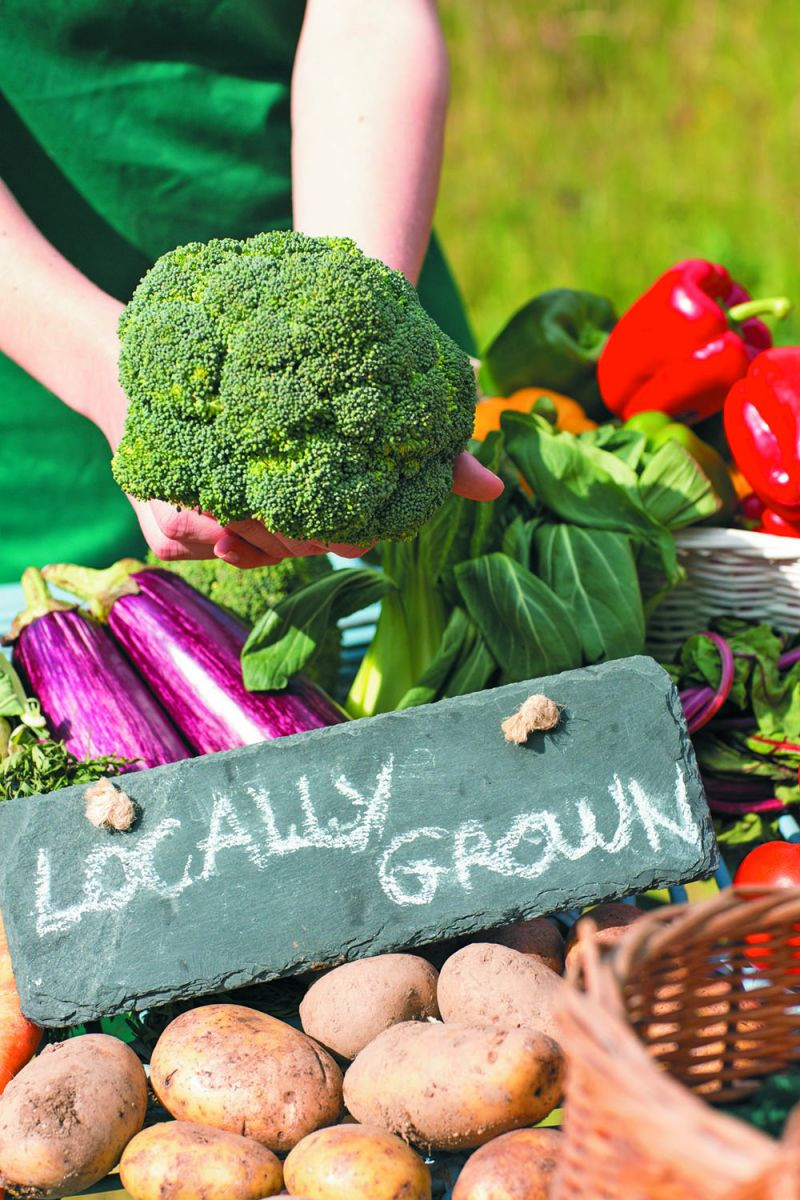
Avoiding health risks at the farmers’ market
Watch out for unpasteurized products, and ask vendors about food safety.
There's something magical about strolling through a farmers' market on a crisp autumn morning. The fruit and vegetables seem fresher there than they do in a store — apples taste tarter, tomatoes seem redder and riper. It's a farm-to-table connection that puts you in touch with nature and the harvest.
Maybe that's partly behind the explosion of farmers' markets across the country, climbing from about 2,000 markets in 1994 to more than 8,600 today, according to the Farmers Market Coalition. "It's a great way to get fresh produce and try different foods you may not have come across before. But it should be enjoyed with caution," urges Dr. Simi Padival, an infectious disease specialist with Harvard-affiliated Beth Israel Deaconess Medical Center.

Why didn’t mom think of this?
News briefs
Here's an idea to make vegetables more enticing: give them names that make them seem indulgent. An observational study published online June 12, 2017, by JAMA Internal Medicine found that diners in a large university cafeteria were more likely to put vegetables on their plates when the foods had less health-conscious names. Each weekday during the fall academic quarter, researchers took a batch of cooked vegetables and labeled them in one of four ways: basic (such as simply "green beans"); healthy restrictive (such as "light 'n' low-carb green beans and shallots"); healthy positive (such as "healthy energy-boosting green beans and shallots"); or indulgent (such as "sweet sizzlin' green beans and crispy shallots"). During the study period, diners usually went for vegetables with less healthy labels: 25% more people chose the indulgent option over basic labeling, 35% more people selected indulgent instead of healthy positive labeling, and 41% more people chose indulgent over healthy restrictive labeling. The indulgent label also led to people piling up to 33% more vegetables on their plates. The study didn't prove that the labels triggered the vegetable selections, and didn't prove that people actually ate their veggies. But the authors say using enticing food names appears to be a simple strategy to promote healthy eating.

Food trends and your heart
The type and amount of fat, carbohydrate, sugar, and salt in our food supply has changed over the years — for better and for worse.
Remember when packaged foods emblazoned with the words "fat free" seemed to be everywhere? Then came labels boasting "zero grams of trans fat." "Sugar free" and "low sodium" claims soon joined the chorus. These days, gluten-free foods are all the rage.
For the most part, these food industry trends echoed the nutritional mantras of the time and were designed to improve our health — especially cardiovascular health. Not only is heart disease the nation's leading killer, there's overwhelming evidence that better dietary choices could prevent many heart attacks and strokes. But just how successful have these efforts been?

A salad a day keeps stroke away?
Research we're watching
Image: © pilipphoto/Thinkstock
New research suggests that eating plenty of nitrate-rich vegetables — such as lettuce, spinach, and beets — may lower your risk of dying of a stroke or heart attack.
During digestion, your body converts nitrates into nitric oxide. This compound relaxes and widens blood vessels, which helps lower blood pressure. But does that translate to a longer life? To find out, researchers studied the diets of 1,226 older women who had no signs of fatty plaque in their arteries (atherosclerosis) and tracked them for 15 years.



Can you, should you, have medically tailored food delivered to your home?
Food promotes wellness when it follows your unique dietary needs.
Image: © Highwaystarz-Photography/Thinkstock
When you're coping with chronic illness or recovering from a hospital stay, you're probably not giving much thought to what's for dinner. Your focus instead may be on your doctor appointments or your medication regimen. But the food on your plate plays a crucial role in ensuring better health. You may need to meet a certain calorie intake or observe dietary restrictions (low salt or low potassium, for instance).
"In many cases, the diet part of that treatment plan is as important or more important than the medication you're taking," says Dr. Eric Rimm, a professor of epidemiology and nutrition at the Harvard T.H. Chan School of Public Health.
Even a little exercise linked with lower stroke risk in people with afib
Testosterone therapy without evidence of deficiency may boost heart risk
Weight-loss drug may lower risk of heart attacks and infections
What to eat on the DASH diet
Migraine: How it's diagnosed and what that means
Tricep workouts you can do at home
Mindfulness practices to reduce stress and improve focus
Antihistamines may not offer meaningful relief from eczema symptoms
Overweight and taking blood pressure medications: Study finds it's a trend that's working
FDA approves first mRNA-based flu vaccine
Free Healthbeat Signup
Get the latest in health news delivered to your inbox!
Sign Up
