

Naturally gluten-free foods

Harvard study: Healthier fats linked to longer life after prostate cancer diagnosis

Shingrix shingles vaccine linked with lower heart disease risks

Estrogen-only hormone therapy tied to lower dementia risk
Should you have a hysterectomy?

Stair climbing may significantly lower cardiovascular risks

Why do I sweat so much?

Walking pneumonia: The "mild" illness that can still pack a punch

What causes knee pain: How doctors make a diagnosis
Where you carry excess weight matters in predicting heart disease risk
Dementia Archive
Articles

Strategies to support teens and young adults with autism spectrum disorder during COVID-19
The conditions imposed by the COVID-19 pandemic are challenging for all of us, but are especially difficult for teenagers with autism spectrum disorder and their families. Strategies to support teens and families living with ASD can help lessen the impact of the virus.
Opportunities for growth: Transitions for youth with autism spectrum disorder
For young people with autism spectrum disorder, the transition from adolescence to adulthood is marked by changes in many areas of their lives. Healthcare providers and caregivers can make this transition smoother and help their patients meet these challenges.

What works best for treating depression and anxiety in dementia?
There is evidence that antidepressants are not effective in older people with dementia. Emerging research suggests that nondrug, psychosocial interventions are the most effective treatments for depression or anxiety in older adults with cognitive impairment.

The role of our minds in the avoidance of falls
In older people, the majority of falls occur when someone is standing or walking while also performing a separate cognitive or motor task. These tasks require more cognitive effort as we age, but focus and awareness can prevent falls from happening.

Hands or feet asleep? What to do
It’s happened to all of us: a hand or leg temporarily “falls asleep,” usually from being in one position for too long. Why does it happen? Are there times when you should be concerned about it?

Trouble with crossword puzzles? Improve your semantic memory
Semantic memory is your store of factual knowledge and the meanings of words. It also helps you recall nonverbal concepts and relationships between words and concepts. And while some aspects of memory may decline with age, semantic memory does not.
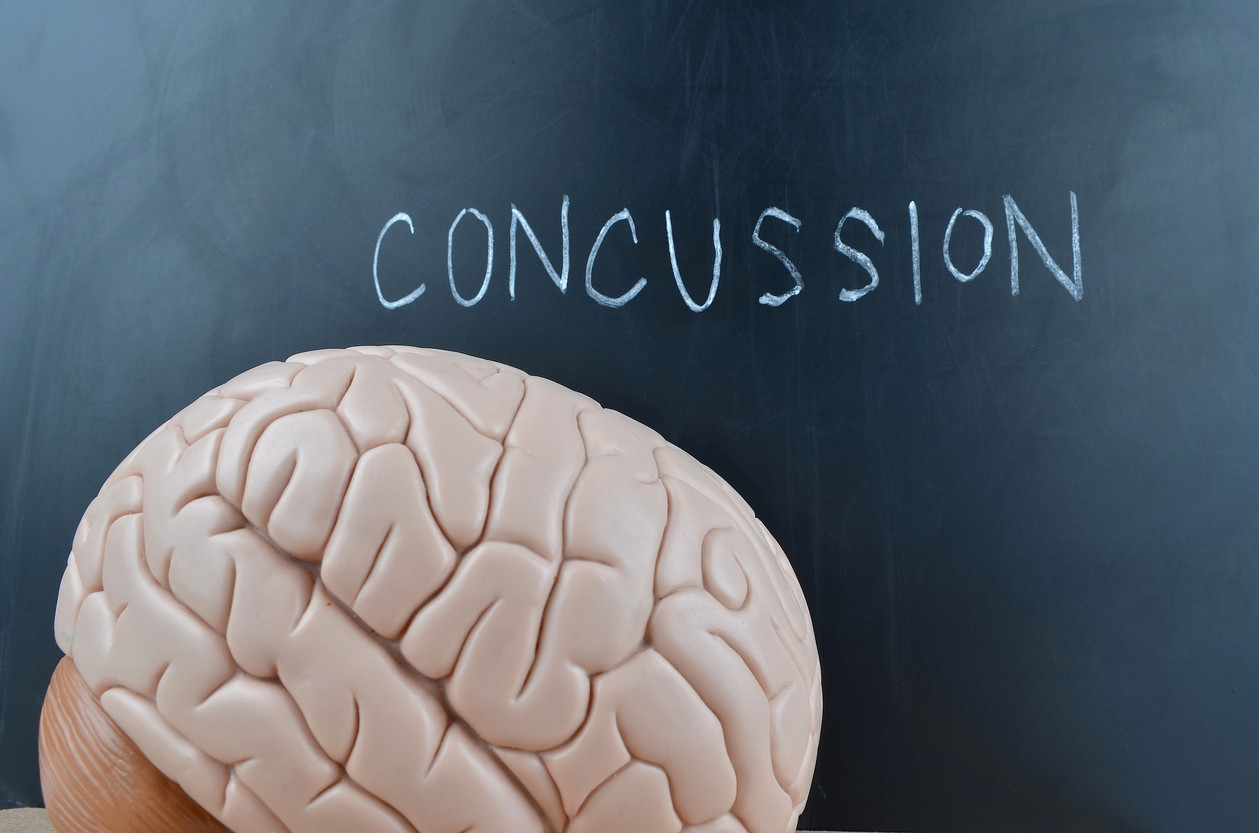
Is there really a blood test to diagnose concussion?
Can a blood test tell whether or not you have a concussion? It’s not quite that simple. There is a test that indicates the presence of substances released into the blood after a brain injury, but for now it is more useful for identifying situations when a CT scan is not necessary.
Brain-based devices: How well do they work?
Brain-based devices claim to offer all kinds of enhancements and improvements, but how can consumers interested in such a device separate legitimate science from mere hype?
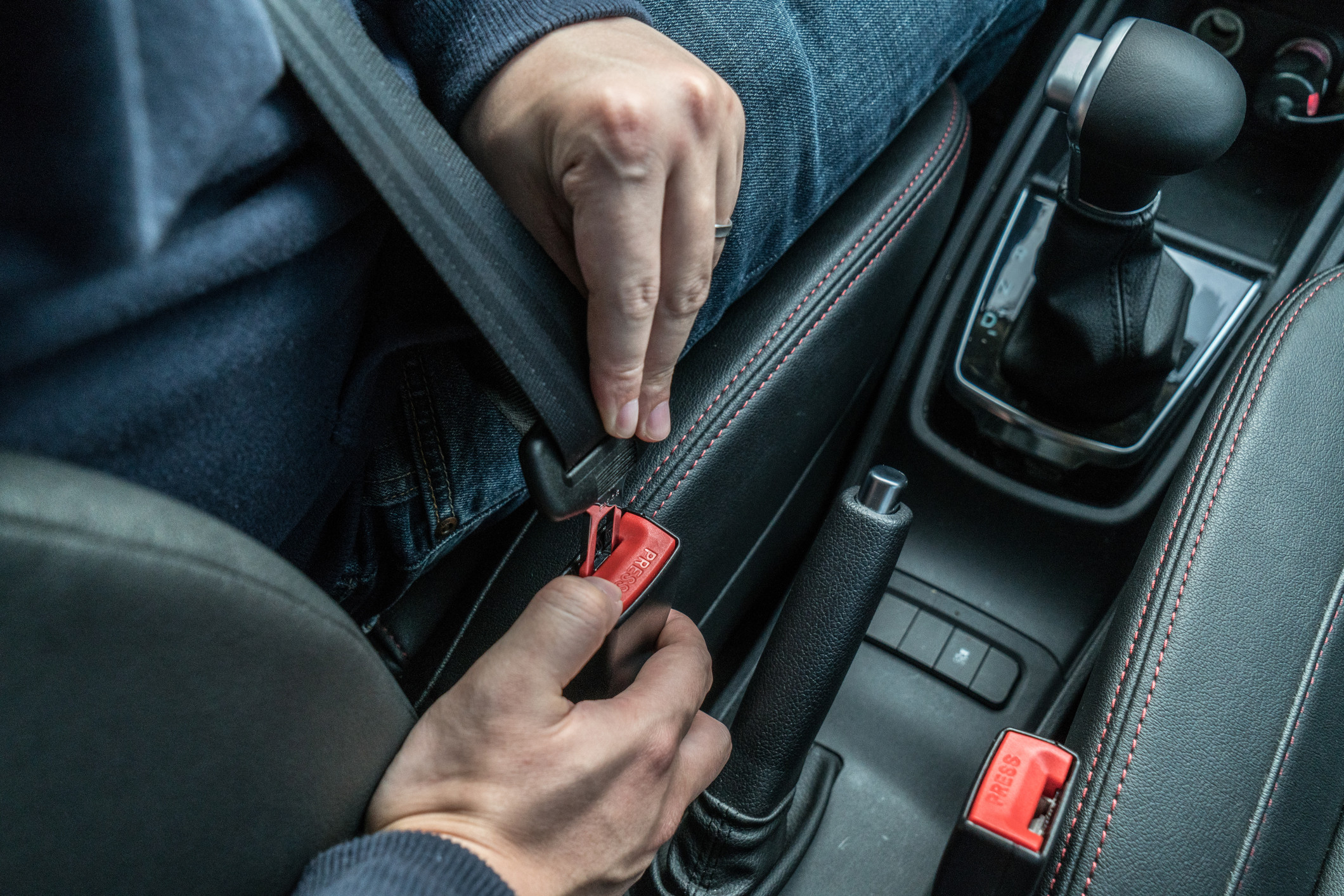
Safe driving protects your brain
Of course, observing safe driving habits is a common-sense practice that can help you avoid injury, but these driving guidelines can help protect your brain as well.
Naturally gluten-free foods
Harvard study: Healthier fats linked to longer life after prostate cancer diagnosis
Shingrix shingles vaccine linked with lower heart disease risks
Estrogen-only hormone therapy tied to lower dementia risk
Should you have a hysterectomy?
Stair climbing may significantly lower cardiovascular risks
Why do I sweat so much?
Walking pneumonia: The "mild" illness that can still pack a punch
What causes knee pain: How doctors make a diagnosis
Where you carry excess weight matters in predicting heart disease risk
Free Healthbeat Signup
Get the latest in health news delivered to your inbox!
Sign Up
