
Trying to lose weight? Be careful not to lose muscle
Is your skin problem actually an autoimmune condition?
People with diabetes face higher risk of hearing loss

Antibiotic-free fixes for recurrent UTIs

Musculoskeletal syndrome of menopause: When menopause makes you ache all over

When can older women stop getting mammograms?

To lose weight, especially harmful belly fat, combine diet and exercise

Can men hold off on treating recurring prostate cancer?

The 7 types of rest and why we need them all

What are the early warning signs of cervical cancer?
Cold & Flu Archive
Articles

What’s new with the flu shot?
If you are planning to get a flu shot but have not yet done so, it may be worth waiting a little longer, as data on patients from four recent flu seasons found that protection against the virus declined over the course of the winter.

Should you take an antiviral drug when you get the flu?
One antiviral medication has drawn criticism, but it's still a treatment option.
Image: © kowalska-art/Thinkstock
Bad case of the flu? Antiviral medications, such as oseltamivir (Tamiflu) or zanamivir (Relenza), may reduce symptoms and help you recover from the flu a day or two earlier. But oseltamivir came under fire a few months ago for a lack of effectiveness.
In June, the World Health Organization (WHO) removed oseltamivir from its list of essential medicines. "Their decision was based on the relatively low effectiveness of oseltamivir in clinical trials and clinical practice. I suspect this is due to a significant number of people who started therapy after their flu symptoms had been going on for more than two days," says Dr. Paul Sax, an infectious disease specialist and Harvard Medical School professor.
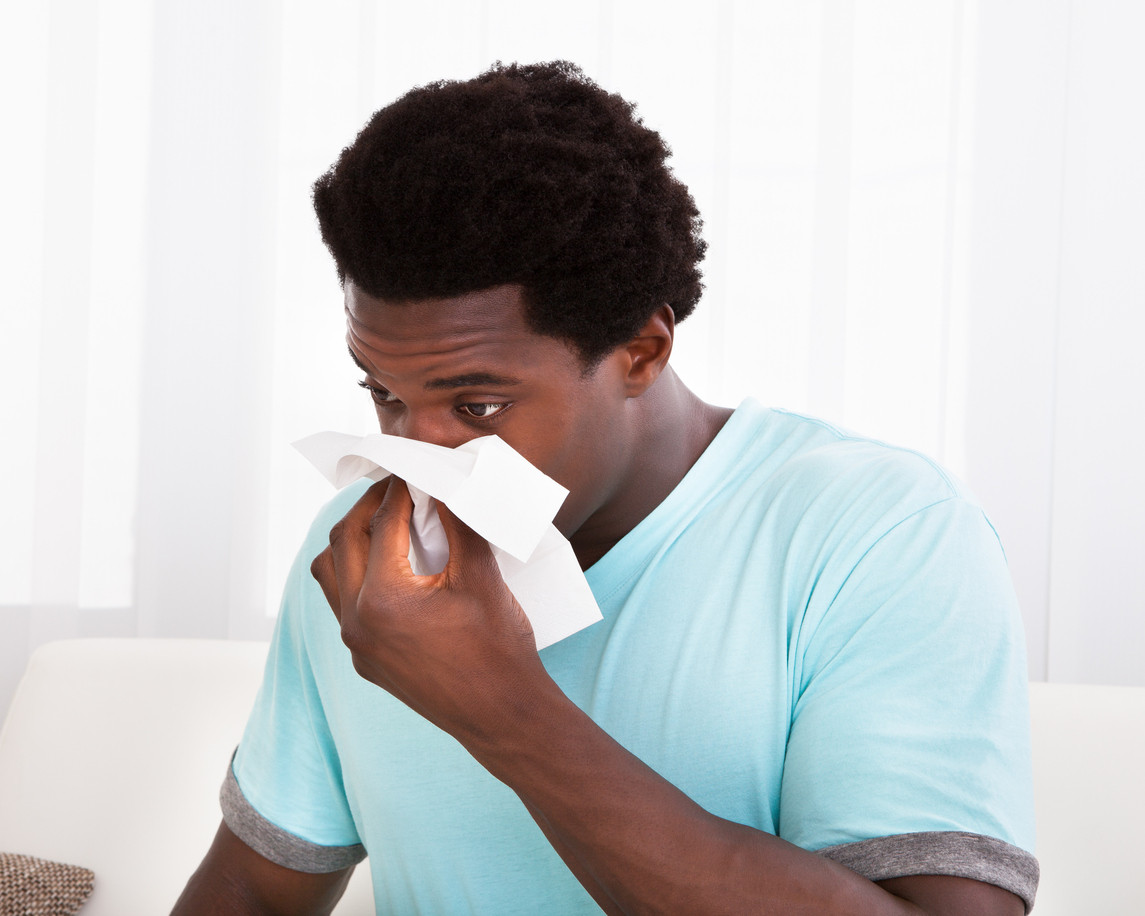
Frequently asked questions about colds and the flu
Here are the answers to six commonly asked questions about colds and the flu.
Q. When should I stay home from work or keep my child home from school?
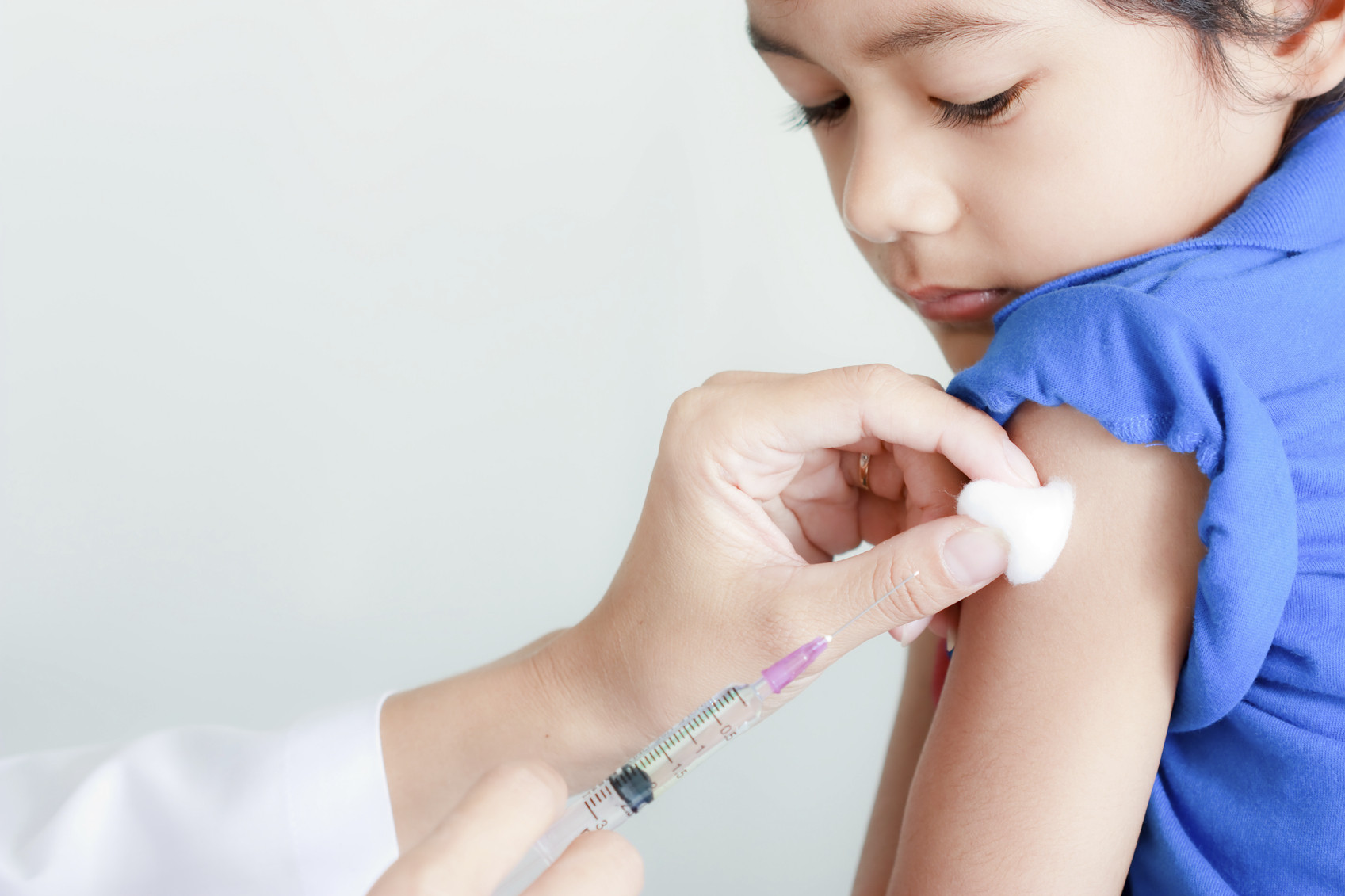
The flu shot saves children’s lives
Even though this year’s flu season is just about over, parents should be thinking about protecting their children next winter. Despite short-term reactions in some people, the flu shot is safe for nearly everyone.

Respiratory tract infection - Is it contagious?
"Stay away from me! I don't want to get sick, too." Most of us have had to utter those words to a family member, friend, or colleague who was sneezing or coughing incessantly. But how do we know how great the chances of catching someone's cold or other illness really are? A medical review published in the New England Journal of Medicine tells us when to exercise concern over eight respiratory tract infections.
Illness(Infectious agent) | How it gets transmitted | Places of highest risk | Percent risk of infection |
Bronchiolitis (Respiratory Syncytial Virus, RSV) | Direct contact with ill person, large-droplets from coughs or sneezes, contact with tissues, linens, or other surfaces holding the virus | Homes, day-care centers | In day-care centers, 100% of exposed children become ill, previous infection somewhat lowers the risk |
Flu (Influenza viruses) | Direct contact with ill person, large- and tiny-droplets from coughs or sneezes | Homes, schools, bars, dormitories, areas with poor ventilation or recirculated air | 20%-60% from a family member, only half of those infected will have symptoms of influenza |
The common cold (Rhinovirus) | Direct contact with ill person, large-droplets from coughs or sneezes, contact with tissues, linens, or other surfaces holding the virus | Homes, dormitories | 66% from a family member |
Tuberculosis | Tiny-droplets from coughs or sneezes | Homes, bars, dormitories, nursing homes, areas with poor ventilation | 25%-50% with close contact with a person with active disease, prolonged exposure is usually required |
Upper respiratory illness (Adenoviruses) | Direct contact with ill person, large- and tiny-droplets from coughs or sneezes | Camps, schools, military camps | 10% of those exposed may become ill, 40% among children, many infected individuals show no symptoms and infection leads to immunity from future infection |
Strep throat, scarlet fever (Group A Strep) | Direct contact with ill person, large-droplets from coughs or sneezes | Homes | 10% from a family member |
Bacterial meningitis (Neisseria meningitides) | Direct contact with ill person, large-droplets from coughs or sneezes | Homes, schools, camps | 2%-3% for a child whose sibling has active illness, 0.2%-0.4% for household contacts of the ill child, more than 95% of the time a second case of the disease does not follow a first. |
Pneumococcal pneumonia (Streptococcus pneumoniae) | Direct contact with ill person, large-droplets from coughs or sneezes | Day-care centers, homeless shelters, camps, prisons, nursing homes | Generally not regarded as contagious, risk of infection depends on one's general health |

Antibiotics don’t speed recovery from asthma attacks
Winter is often a tough season for asthma sufferers, who generally more likely to become sick than those without asthma. It’s important for asthma patients to receive proper care when ill, and a recent study sheds new light on a common treatment that might not be the best course of action for most asthmatics.

What causes a cough after a cold?
A persistent cough that remains after an infection has been treated can last for a month or two. There are several treatments that may offer relief, such as antihistamines or a bronchodilator inhaler.

Surviving the flu season
The odds of beating the bug are increasing as another new vaccine for seniors debuts.
Image: Bigstock
The flu season is upon us. Like that other season—winter—it can be unpredictable. But the Centers for Disease Control and Prevention (CDC) is doing its best to see that we're informed and as prepared as possible for whatever is in store. For updates throughout the flu season, check the CDC website, www.cdc.gov/flu.
How well does the flu shot work?
Why the flu shot is worthwhile
Flu vaccination may make your illness milder if you do get sick. A 2016 study indicated that people 50 or older who got a flu vaccination had a 57% lower risk of hospitalization for the flu than their contemporaries who weren't vaccinated. Flu vaccination has been associated with lower rates of heart attacks and related problems among people with heart disease and with reduced hospitalizations among people with diabetes and chronic lung disease.
Getting vaccinated yourself also protects people around you, including those who are more vulnerable to serious flu illness, like babies and people with certain chronic health conditions.
Vaccines for seniors

Is it too late to get a flu shot?
The best time to get an annual flu shot is in mid-October. However, it’s not too late to get the shot in December, since people are still at risk of getting flu for several more months.
Trying to lose weight? Be careful not to lose muscle
Is your skin problem actually an autoimmune condition?
People with diabetes face higher risk of hearing loss
Antibiotic-free fixes for recurrent UTIs
Musculoskeletal syndrome of menopause: When menopause makes you ache all over
When can older women stop getting mammograms?
To lose weight, especially harmful belly fat, combine diet and exercise
Can men hold off on treating recurring prostate cancer?
The 7 types of rest and why we need them all
What are the early warning signs of cervical cancer?
Free Healthbeat Signup
Get the latest in health news delivered to your inbox!
Sign Up