

CoQ10: Should you take this popular supplement if you're on a statin?

Microplastics: A hidden health threat?

Oat vs. dairy milk: Nutrition, benefits, and downsides

What is tempeh? Benefits, nutrition, and how to use it

Healing after food poisoning

Children of centenarians may stay healthier and live longer too, study finds

Light exposure at night may raise risk for heart disease

A lumbar belt may help ease low back pain

Whole grains may improve several heart risk factors at once

Signs of pneumonia: Sometimes vague and unexpected
Caregiving Archive
Articles

Is snuff really safer than smoking?
The FDA authorized a brand of smokeless tobacco to use language in its advertising claiming that using snuff reduces risk of lung cancer compared to smoking cigarettes. Technically this is true, but it's not the health advantage the product's maker would like consumers to think it is.

Adopting a Mediterranean-style diet, one meal at a time
The Mediterranean diet is touted for its health benefits, which include a reduced risk of cardiovascular disease, cancer, and potentially even improvements to the gut bacteria, which may reduce harmful inflammation inside the body. Making some simple changes to your current diet can help improve your health. These include switching to olive oil as the primary fat, eating more whole grains and less processed food and sugar and reducing red meat consumption. Whenever possible, base your daily diet on a base of vegetables, fruits and plant-based options.
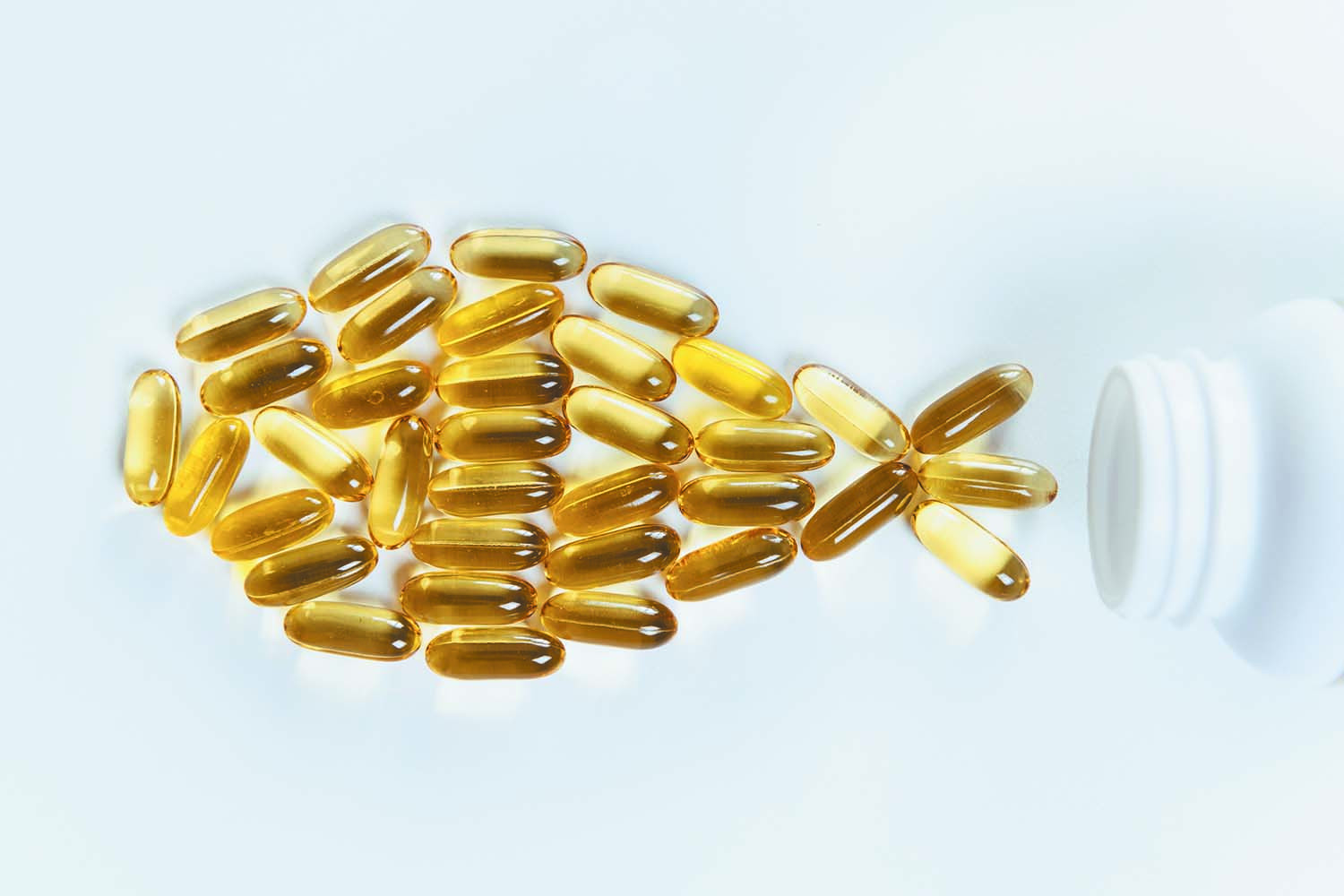
The questions about fish oil supplements
Some research says taking a daily fish oil supplement can reduce the risk of heart attacks and strokes, while other studies say the evidence remains thin. While fish oil is the best source of omega-3 fatty acids (essential nutrients that the body cannot make on its own), taking an over-the-counter fish oil supplement probably provides no extra heart benefit beyond a well-balanced diet that includes plenty of omega-3-rich fatty fish, nuts, and seeds.

Should you try fasting?
Intermittent fasting means that people avoid food for a designated amount of time each day. One of the most popular approaches is called 16/8. People eat during an eight-hour period—for example from noon to 8 p.m.— followed by 16 hours of fasting, in this case from 8 p.m. until noon the next day, when the pattern repeats. While science does not yet know the long-term benefits of intermittent fasting, initial short-term research has suggested the practice may help lower cholesterol, blood pressure, and weight, among other health benefits.

The power of protein
During his lifetime, a man loses about 30% of his muscle mass. Older men can maintain and even regain muscle by combining regular weight training and a proper diet, including adequate amounts of protein. Research suggests that to help counter lost muscle mass, healthy older adults need 1.2 grams of protein for every kilogram of body weight per day. This is calculated by dividing a person's weight in pounds by 2.2 and then multiplying by 1.2.


How super are "superfoods"?
Certain fruits, vegetables, nuts, and seeds have been labeled "superfoods" because, compared with other foods, they have higher amounts of certain vitamins and minerals and powerful antioxidants. They often are associated with combating high blood pressure, diabetes, heart disease, and even some cancers. But instead of focusing on eating more of individual foods, experts suggest building "superplates" that include a variety of superfoods.
CoQ10: Should you take this popular supplement if you're on a statin?
Microplastics: A hidden health threat?
Oat vs. dairy milk: Nutrition, benefits, and downsides
What is tempeh? Benefits, nutrition, and how to use it
Healing after food poisoning
Children of centenarians may stay healthier and live longer too, study finds
Light exposure at night may raise risk for heart disease
A lumbar belt may help ease low back pain
Whole grains may improve several heart risk factors at once
Signs of pneumonia: Sometimes vague and unexpected
Free Healthbeat Signup
Get the latest in health news delivered to your inbox!
Sign Up
