
Fatty liver disease: Should you be tested?

Even a little exercise linked with lower stroke risk in people with afib

Testosterone therapy without evidence of deficiency may boost heart risk

Weight-loss drug may lower risk of heart attacks and infections

Migraine: How it's diagnosed and what that means

Tricep workouts you can do at home

Mindfulness practices to reduce stress and improve focus

Antihistamines may not offer meaningful relief from eczema symptoms

Overweight and taking blood pressure medications: Study finds it's a trend that's working

FDA approves first mRNA-based flu vaccine
Caregiving Archive
Articles

If you are happy and you know it… you may live longer
Plenty of research associates optimism with a reduced risk of certain diseases and conditions. Now, a study suggests that optimistic people are also more likely to live longer.

Medications for depression: Which is best?
There are many medications that can be used to treat mood disorders. But finding the right one can be a lengthy process, and the choice can be more complicated than you might imagine. Just because a particular drug worked for a friend doesn't mean it will work for you. Psychiatrists and doctors who prescribe antidepressants choose a particular drug and dosage based on many factors, including the following:
- Diagnosis. Certain drugs are a better choice for specific symptoms and types of depression. For example, an antidepressant that makes you sleepy may be better when insomnia is an issue. The severity of your illness or the presence of anxiety, obsessions, or compulsions may also dictate the choice of one drug over another.
- Side effects. You may first want to choose a drug based on which side effect you most want to avoid. Medications vary in the likelihood they will cause such problems as sexual effects, weight gain, or sedation.
- Age. As you age, your body tends to break down drugs more slowly. Thus, older people may need a lower dose. For children, only a few medications have been studied carefully.
- Health. If you have certain health problems, it's best to avoid certain drugs. For example, your doctor will want to consider factors such as heart disease or neurological illnesses when recommending a drug. For this reason, it's important to discuss medical problems with a primary care doctor or psychiatrist before starting an antidepressant.
- Medications, supplements, and diet. When combined with certain drugs or substances, antidepressants may not work as well, or they may have worrisome or dangerous side effects. For example, combining an SSRI or another antidepressant with the herbal remedy St. John's wort can boost serotonin to dangerous and, in rare cases, fatal levels. Mixing St. John's wort with other drugs—including certain drugs to control HIV infection, cancer medications, and birth control pills—might lower their effectiveness. Women receiving tamoxifen for breast cancer should take an antidepressant that does not interfere with tamoxifen's effectiveness. Eating certain foods, such as aged cheeses and cured meats, while taking an MAOI can cause a dangerous rise in blood pressure.
- Alcohol or drugs. Alcohol and other substances can cause depression and make antidepressants less effective. Doctors often treat alcohol or drug addiction first if they believe either is causing the depression. In many instances, simultaneous treatment for addiction and depression is warranted.
- Personal and family mental health and medication history. If you or a member of your family has had a good response to a medication in the past, that information may guide your choice. Depending on the nature and course of your depression (for example, if your depression is long-lasting or difficult to treat), you may need a higher dose or a combination of drugs. This may also be true if an antidepressant has stopped working for you, which may occur after you've used it for some time or after you've stopped and restarted treatment with it.
- Cost. Since all antidepressants are roughly equivalent in their effectiveness, you won't lose anything by trying a generic version first.
- Your preference. Once you have learned as much as you can about the treatment options, your doctor will want to know what approach makes most sense given your lifestyle, your interests, and your judgment.
To learn more strategies for battling depression, check out Understanding Depression, a Special Health Report from Harvard Medical School.
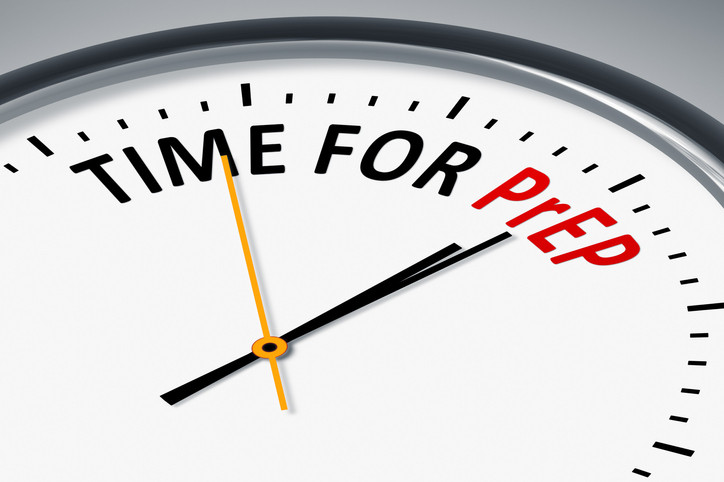
PrEP prevents HIV — so why aren’t more people taking it?
PrEP (pre-exposure prophylaxis) is a daily medication taken to prevent HIV infection. While multiple studies show PrEP is effective, relatively few of those who might benefit are taking it. Will a 10-year initiative to reduce rates of HIV and a new formulation of PrEP help?


Inflamed sinuses: It's best to watch and wait
Antibiotics often don't help inflamed sinuses. Take steps to ease symptoms and let the problem heal itself.
The hollow spaces in your facial bones—the sinuses—are prone to infection by microorganisms of various stripes. Usually, the invader is a virus. In response, the sensitive linings of the sinuses swell up and start to pour out mucus, triggering nasal stuffiness, a runny nose, and facial pain.
Once upon a time, many sinus sufferers headed straight to their doctors to get an antibiotic. But we now know that strategy is usually a waste of time. Most cases of sinusitis are associated with viral infections, which are bulletproof to antibiotics. According to a research review by the Cochrane Collaboration, 80% of people with sinusitis improve within two weeks without taking antibiotics.
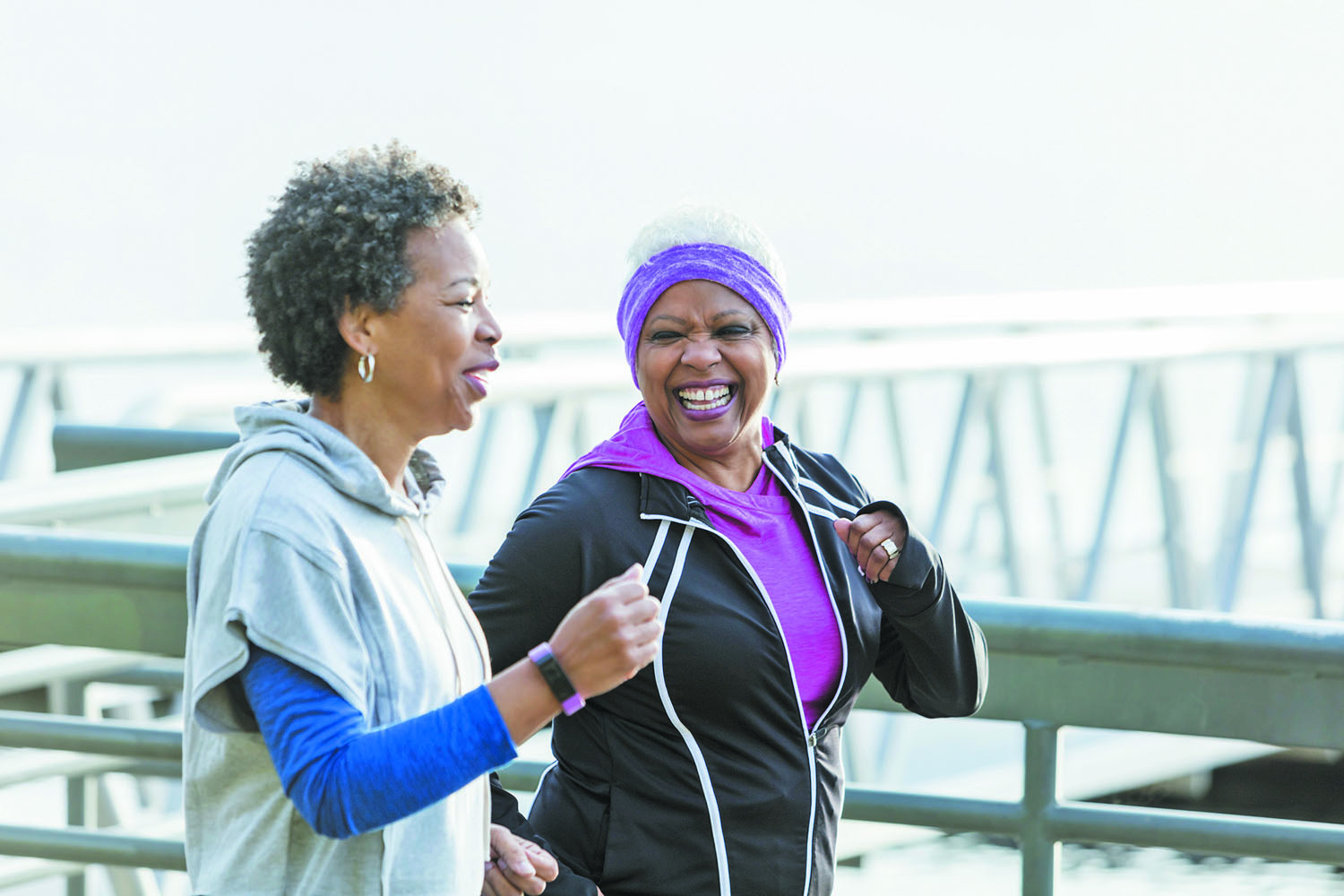
How many steps should I take each day?
Ask the doctor
Q. My smartphone tells me how many steps I take each day, but I don't know how many I should shoot for. What should my goal be?
A. You've read in these pages and elsewhere that regular physical activity reduces the risk of heart disease, type 2 diabetes, obesity, and possibly several types of cancer. Regular exercise also reduces the risk of premature death. No medicine yet invented can claim such benefits. Probably the advice you've heard most often is that moderate exercise — like a brisk walk (at about 3 mph) for 30 minutes at least five times a week — will bring all of the above health benefits.

Is your CPAP machine making you sick?
Bacteria and mold can accumulate in various parts of the device. But regular equipment cleaning reduces risks.
Continuous positive airway pressure (CPAP) can be hard to get used to. The mask may feel bulky, or it may feel strange to have air blowing in as you try to breathe. That keeps many people from using a treatment that may, in fact, be a lifesaver (see "What is CPAP?").
People also can be put off because they've heard that a dirty CPAP machine can make you sick. Is that true? "Yes, if you don't clean the machine regularly," says Dr. Lawrence Epstein, a sleep expert at Harvard-affiliated Brigham and Women's Hospital.

An older adult's guide to exercising in cold weather
The proper warm-up, equipment, and health considerations are key to maintaining an outdoor routine.
You've grabbed a hooded jacket, and you're ready for a brisk walk in the great outdoors. But is that enough to keep you safe in cooler temperatures? An outdoor exercise routine at this time of year brings unique risks and benefits. You need a little planning and preparation to keep exercising outside in the weeks or months to come.
Know the risks
Being exposed to long periods of cold weather poses numerous health risks.

Comfort food without the guilt
Simple swaps like whole grains instead of white rice maintain flavor while boosting health benefits.
There's nothing quite like coming in from the cold and sitting down to a hot, hearty meal. The icy temperatures seem to make us yearn for foods that will warm us up inside, stick to our bones, and soothe the soul. "We are warm-bodied creatures, and as the weather cools we actually crave more calories so we can stay warm," explains Sandra Allonen, a registered dietitian with Harvard-affiliated Beth Israel Deaconess Hospital.
But digging into comfort foods all winter — like a savory beef stew, spicy spaghetti and meatballs, macaroni and cheese, fluffy pancakes, gooey pizza, or buttery mashed potatoes — comes with health risks.

Menu alert: U.S. restaurants are offering more sugary drinks
News briefs
Sugary drinks are becoming more plentiful at large restaurant chains, and some drinks are getting sweeter. That's according to a study published in the August issue of the American Journal of Preventive Medicine. Harvard researchers analyzed the beverage offerings of 63 fast-food, fast-casual, or full-service restaurant chains from 2012 to 2017. Over that period, the number of sugary beverages available at the restaurants increased by 82%. Among newly introduced sugary beverages such as sodas, fruit drinks, and sports drinks, from 2012 to 2016 the number of calories per drink increased by about 50, and the average amount of sugar per drink reached a whopping 63 grams. Newly introduced sweetened teas roughly doubled in sugar and calories from 2012 to 2016, jumping from an average of about 140 calories per drink to about 300, and from 25 grams of sugar to 56. But remember: the American Heart Association recommends limiting added sugar to 25 grams per day for women and 36 grams per day for men. If you want to splurge on a sugary drink, try not to consume all of it, or chose a lower-sugar option.
Image: LiliGraphie/Getty Images
Fatty liver disease: Should you be tested?
Even a little exercise linked with lower stroke risk in people with afib
Testosterone therapy without evidence of deficiency may boost heart risk
Weight-loss drug may lower risk of heart attacks and infections
Migraine: How it's diagnosed and what that means
Tricep workouts you can do at home
Mindfulness practices to reduce stress and improve focus
Antihistamines may not offer meaningful relief from eczema symptoms
Overweight and taking blood pressure medications: Study finds it's a trend that's working
FDA approves first mRNA-based flu vaccine
Free Healthbeat Signup
Get the latest in health news delivered to your inbox!
Sign Up
