

Fatty liver disease: Should you be tested?

Even a little exercise linked with lower stroke risk in people with afib

Testosterone therapy without evidence of deficiency may boost heart risk

Weight-loss drug may lower risk of heart attacks and infections

Migraine: How it's diagnosed and what that means

Tricep workouts you can do at home

Mindfulness practices to reduce stress and improve focus

Antihistamines may not offer meaningful relief from eczema symptoms

Overweight and taking blood pressure medications: Study finds it's a trend that's working

FDA approves first mRNA-based flu vaccine
Caregiving Archive
Articles

Consider this Harvard finding before you toast the New Year
News briefs
We've reported before that heavy drinking is tied to an increased risk for developing dementia. A Harvard-led study published online Sept. 27, 2019, by JAMA Network Open suggests that the risk is even worse if you have mild cognitive impairment (MCI). Researchers analyzed the data of more than 3,000 dementia-free adults (average age 78, some with MCI) who reported their alcohol use and underwent psychological testing for six years. People with MCI who drank heavily (more than 14 drinks per week) had a 72% higher risk for dementia than people who drank less than one drink per week. However, people without MCI who drank moderately (seven to 14 drinks per week) didn't appear to have an increased risk for dementia, and even seemed to have a 37% lower risk for dementia compared with people who consumed less than one drink per week. The bottom line: "Our results suggest that moderation is the healthiest approach if you drink. And if you have mild cognitive impairment, you may want to reconsider drinking alcohol at all," says Dr. Kenneth Mukamal, a study author and researcher with the Harvard T.H. Chan School of Public Health.
Image: franckreporter/Getty Images

Swap out a sweet drink to reduce your diabetes risk
Research we're watching
Replacing just one sugary drink each day with water may reduce your risk of developing diabetes, according to a study published online Oct. 3, 2019, by Diabetes Care. Researchers from Harvard's T.H. Chan School of Public Health looked at more than two decades' worth of data collected in three long-term studies, involving more than 192,000 adults. By tracking beverage intake over time, they found that people who increased their consumption of sugary drinks (including 100% fruit juice) by more than 4 ounces a day over four years had a 16% increase in diabetes risk over the next four years. Turning to "diet" versions might not help, either: an 18% jump in diabetes risk occurred in people who increased their intake of artificially sweetened drinks by more than 4 ounces a day over the same period, although some of that risk could have reflected other factors, said researchers.
The bottom line: If you want to reduce diabetes risk, it's better to skip sweet drinks and stick to unsweetened tea, coffee, or water. When people drank one of those beverages once a day instead of a sweetened drink, diabetes risk dropped by 2% to 10%.

Why you need an annual wellness visit
The once-a-year appointment can reveal vital health information for both you and your doctor.
It's usually covered by your health insurance, it doesn't take much time, and it's a great way to learn about your present and future health.
While men often call it the yearly physical, the annual ritual is better named a wellness visit or preventive health appointment. Whatever you call it, men should still have one every year as it remains an important part of primary care, according to Dr. Asaf Bitton, executive director of Ariadne Labs and primary care physician at Harvard-affiliated Brigham and Women's Hospital.

How can I protect myself from getting the common cold?
On call
Q. How does a cold virus spread from one person to the next? And what can I do to protect myself?
A. The common cold is most often spread by direct contact with the respiratory secretions of someone who is infected, typically through hand-to-hand contact. Here is how it happens: The person with a cold touches his or her mouth or nose (we do this all day without thinking). The cold viruses are now on the person's hands. The person then touches you, such as by shaking hands. You rub your eyes, nose, or mouth, and the viruses enter your body, and so it goes.

The act of balancing
Maintaining proper balance as you age requires attention, strength, and flexibility.
One skill that can sharply decline with age, and often with little warning, is your sense of balance.
"As people age, changes in flexibility, muscle strength and power, body sensation, reflexes, and even mental function all contribute to declining balance," says Dr. Brad Manor, associate director of the Mobility and Falls Translational Research Center with Harvard-affiliated Hebrew SeniorLife. "You need to work on all these factors to maintain a strong sense of balance."
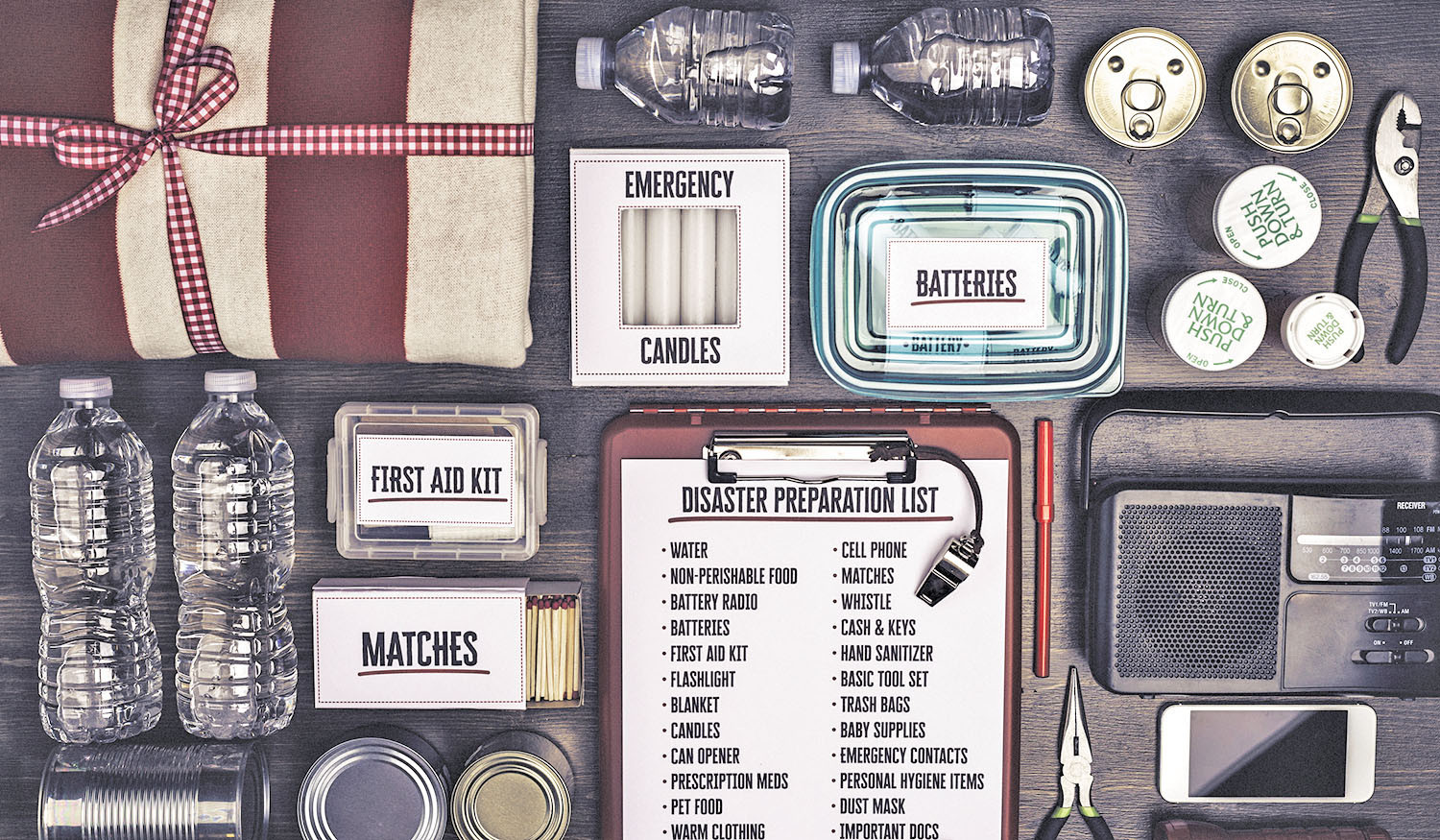
Be ready for emergencies
Here are 10 ways to safeguard your life (and health) when an emergency or disaster strikes.
Natural disasters and other kinds of emergencies can strike anywhere and often with little warning. Yet, new data from the University of Michigan National Poll on Healthy Aging show that most adults ages 50 to 80 are ill-prepared for severe weather, long-term power outages, or other emergency situations.
"Older adults should take the time to focus on how they will cope and manage with an emergency," says Dr. Howard LeWine, assistant professor of medicine at Harvard Medical School and editor-in-chief of this newsletter. "A small effort now can protect their health and well-being when an emergency does occur."

Can supplements help boost your immune system?
Your money might be better spent on something else.
During the winter months, you've likely seen ads for products that claim to give your immune system a boost to help you ward off colds and the flu. But can something in a bottle, whether a vitamin formulation or probiotic, really rev up your immune system to help you stay healthy?
"Unfortunately, the reality is that those kinds of products aren't really offering you any benefit," says Michael Starnbach, a professor of microbiology at Harvard Medical School. "There's no evidence that they help in fighting disease."

4 ways to boost your energy naturally with breakfast
Healthful protein, slowly digested carbohydrates, fruit or vegetables serve up best morning mix
As you sleep, your body is hard at work digesting yesterday's dinner. By the time you wake up, your body and brain are demanding fresh fuel. "Breaking the fast" is a key way to power up in the morning. Do it right and the benefits can last all day.
If you miss the day's first meal, notes Dr. David S. Ludwig, a nutrition expert at Harvard-affiliated Children's Hospital Boston, you may start off with an energy deficit and have to tap into your energy reserves.

The physical benefits of yoga
Yoga promotes physical health in multiple different ways. Some of them derive from better stress management. Others come more directly from the physical movements and postures in yoga, which help promote flexibility and reduce joint pain.
Following are some of the physical benefits of yoga that have a growing body of research behind them. In addition to the conditions listed below, preliminary research also shows that yoga may help with migraines, osteoporosis, balance and mobility issues, multiple sclerosis, inflammatory bowel disease, fibromyalgia, and ADHD.
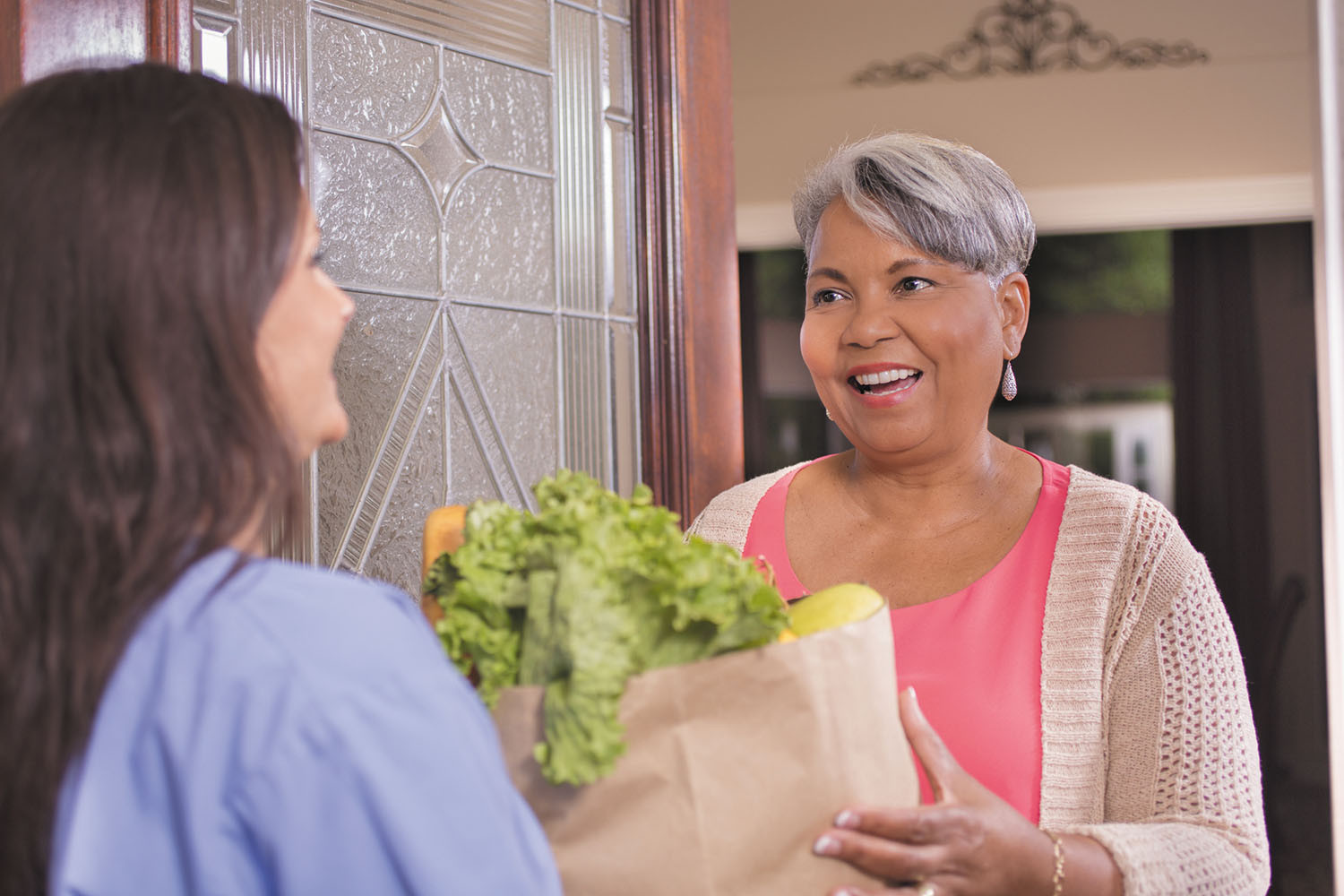
Season of receiving: Use free services to stay independent
Nonprofit groups offer services that can help you age in place.
Image: © fstop123/Getty Images
The holidays are a time of giving, but they're also a time to put yourself on the receiving list and assess whether you should be taking advantage of free health-related services offered by nonprofit organizations. Services are widely available, often regardless of income. But you might not know they exist. "Most older adults aren't introduced to support services until they're hospitalized or they work with a case manager or social worker," explains Barbara Moscowitz, a geriatric social worker at Harvard-affiliated Massachusetts General Hospital. "You don't have to wait for such an event."
What's available
On the local level, you can often find free or low-cost dental clinics, emotional support groups, meal or grocery delivery services, transportation, in-home health evaluations, exercise classes, health education classes, home evaluations for fall prevention, companion programs, caregiver respite services, or programs to help you navigate difficult chronic health conditions and their treatment.
Fatty liver disease: Should you be tested?
Even a little exercise linked with lower stroke risk in people with afib
Testosterone therapy without evidence of deficiency may boost heart risk
Weight-loss drug may lower risk of heart attacks and infections
Migraine: How it's diagnosed and what that means
Tricep workouts you can do at home
Mindfulness practices to reduce stress and improve focus
Antihistamines may not offer meaningful relief from eczema symptoms
Overweight and taking blood pressure medications: Study finds it's a trend that's working
FDA approves first mRNA-based flu vaccine
Free Healthbeat Signup
Get the latest in health news delivered to your inbox!
Sign Up
