

CoQ10: Should you take this popular supplement if you're on a statin?

Microplastics: A hidden health threat?

Oat vs. dairy milk: Nutrition, benefits, and downsides

What is tempeh? Benefits, nutrition, and how to use it

Healing after food poisoning

Children of centenarians may stay healthier and live longer too, study finds

Light exposure at night may raise risk for heart disease

A lumbar belt may help ease low back pain

Whole grains may improve several heart risk factors at once

Signs of pneumonia: Sometimes vague and unexpected
Caregiving Archive
Articles

Is wooziness a serious warning sign?
Wooziness is often just a passing episode of lightheadedness. But it might signal something very serious, such as a stroke or heart attack. When wooziness occurs, one should sit or lie down for a few minutes, rest, and have a drink of water or juice. If wooziness eases, it's best to report the episode to your doctor. If lightheadedness hasn't improved or if it's accompanied by other symptoms, such as chest pain, trouble speaking, or weakness or numbness on one side of the body, call 911 immediately.

Do you know about these summer breathing hazards?
In the summertime, one of the chief contributors to symptom flares of lung problems is hot air, especially if it's also humid, stagnant, or very dry. Such weather might narrow the airways, making it much harder to breathe normally. This might occur because hot air irritates the nerves, widens blood vessels near the lungs, or causes people to breathe faster. To avoid breathing difficulty, doctors advise people with lung disease to follow strategies such as keeping their inhalers handy and staying in air-conditioned spaces.

Harvard and CDC study: Serious side effects from semaglutide are uncommon
In a 2025 study, researchers estimated that fewer than four emergency department visits attributed to semaglutide (Ozempic, Wegovy) occurred for every 1,000 patients taking the drug in 2022 and 2023. Most of the visits were related to gastrointestinal problems.

Fasting vs. calorie restriction for weight loss: Which one wins?
A randomized controlled trial published in 2025 found that people who followed a 4:3 intermittent fasting plan for one year, eating only 20% of their usual calories on three fasting days per week, lost more weight than people who were on a calorie-restricted diet.

Exercise can reduce fall risk among older women taking multiple medications
A 2025 study suggested that a structured exercise plan can significantly reduce the risk of falls among older women who take multiple medications.

Chronic stress may raise women's stroke risk
A 2025 study found that chronic stress is associated with higher stroke risks among women under 50, but not in men.

Diets rich in plant-based foods linked to healthy aging
Following a mostly plant-based diet starting in middle age can boost a person's odds of healthy aging, defined as reaching age 70 free from chronic disease while also maintaining cognitive, physical, and mental health, according to a 2025 study.
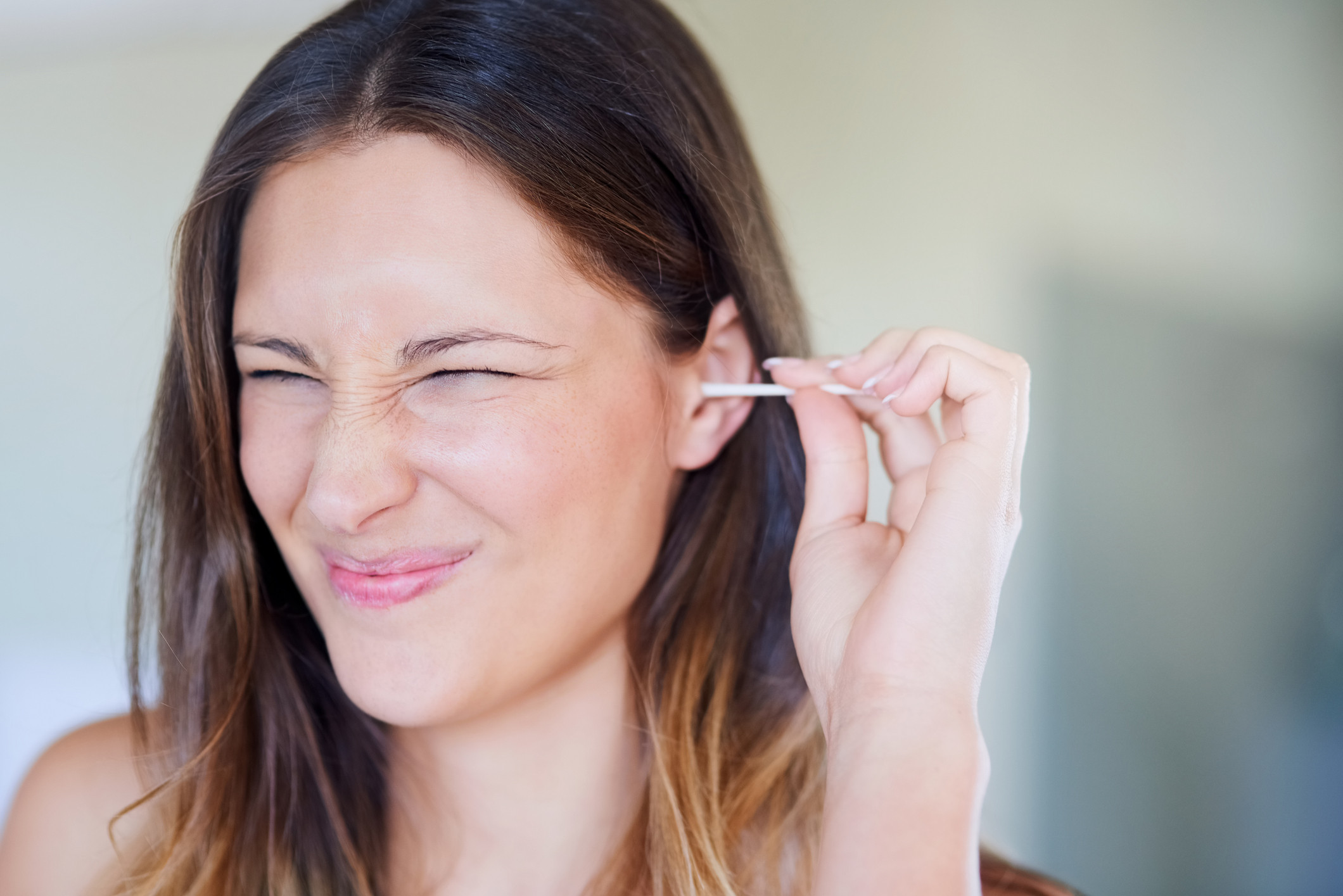
Do I need to clean my ears?
Earwax should be removed only if it causes problems with hearing, ringing in the ears, or an earache. To unblock the wax, people can use an over-the-counter ear-cleaning treatment to flush it out. If this is not successful, see your doctor.

How to fill out a "flat" behind
Older men can get "flat" or weak buttocks from spending too much time sitting, which can weaken gluteal muscles and create tight hip flexors. This weakness can place excess demand on other parts of the body, which can lead to pain in the lower back, hips, and knees and increase risk for lower-body injuries. The best way to strengthen a weak backside is to break up prolonged periods of sitting with regular movement and perform exercises that build up gluteal muscles, such as deadlifts, bridges, and step-ups.

Weight training may protect the brain from cognitive decline
A small 2025 study found that older adults who did six months of weight training improved their ability to recall recent events and information. They also had had less brain shrinkage in regions affected by Alzheimer's disease, compared with people who did not do the training.
CoQ10: Should you take this popular supplement if you're on a statin?
Microplastics: A hidden health threat?
Oat vs. dairy milk: Nutrition, benefits, and downsides
What is tempeh? Benefits, nutrition, and how to use it
Healing after food poisoning
Children of centenarians may stay healthier and live longer too, study finds
Light exposure at night may raise risk for heart disease
A lumbar belt may help ease low back pain
Whole grains may improve several heart risk factors at once
Signs of pneumonia: Sometimes vague and unexpected
Free Healthbeat Signup
Get the latest in health news delivered to your inbox!
Sign Up
