

CoQ10: Should you take this popular supplement if you're on a statin?

Microplastics: A hidden health threat?

Oat vs. dairy milk: Nutrition, benefits, and downsides

What is tempeh? Benefits, nutrition, and how to use it

Healing after food poisoning

Children of centenarians may stay healthier and live longer too, study finds

Light exposure at night may raise risk for heart disease

A lumbar belt may help ease low back pain

Whole grains may improve several heart risk factors at once

Signs of pneumonia: Sometimes vague and unexpected
Caregiving Archive
Articles

Second-guessing symptoms
While many health symptoms resolve quickly on their own, others linger and make people wonder if they need to see a doctor. Symptoms that warrant a doctor's visit include drawn-out cold symptoms such as fatigue, cough, and low-grade fever; a fever lasting more than four days; unexpected symptoms when starting a new medication or after surgery; certain digestive problems; and new or worsening mental health issues.
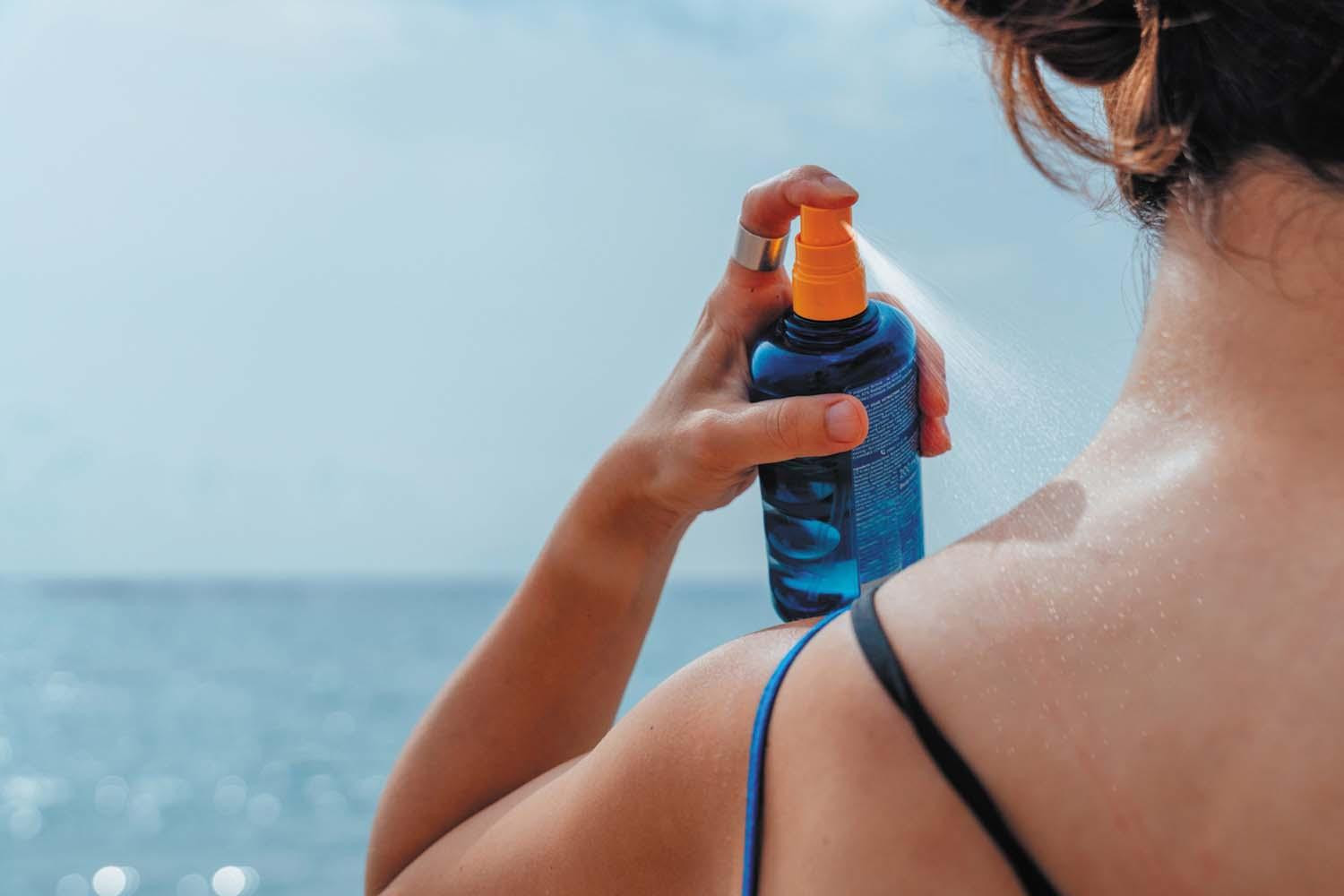
Does spray-on sunscreen work as well as lotion?
Spray-on sunscreens can be as effective as lotion-based sunscreens for protecting skin from harmful ultraviolet light. People using sunscreen sprays should make sure skin appears wet and shiny where they've sprayed and rub the product in before it dries.
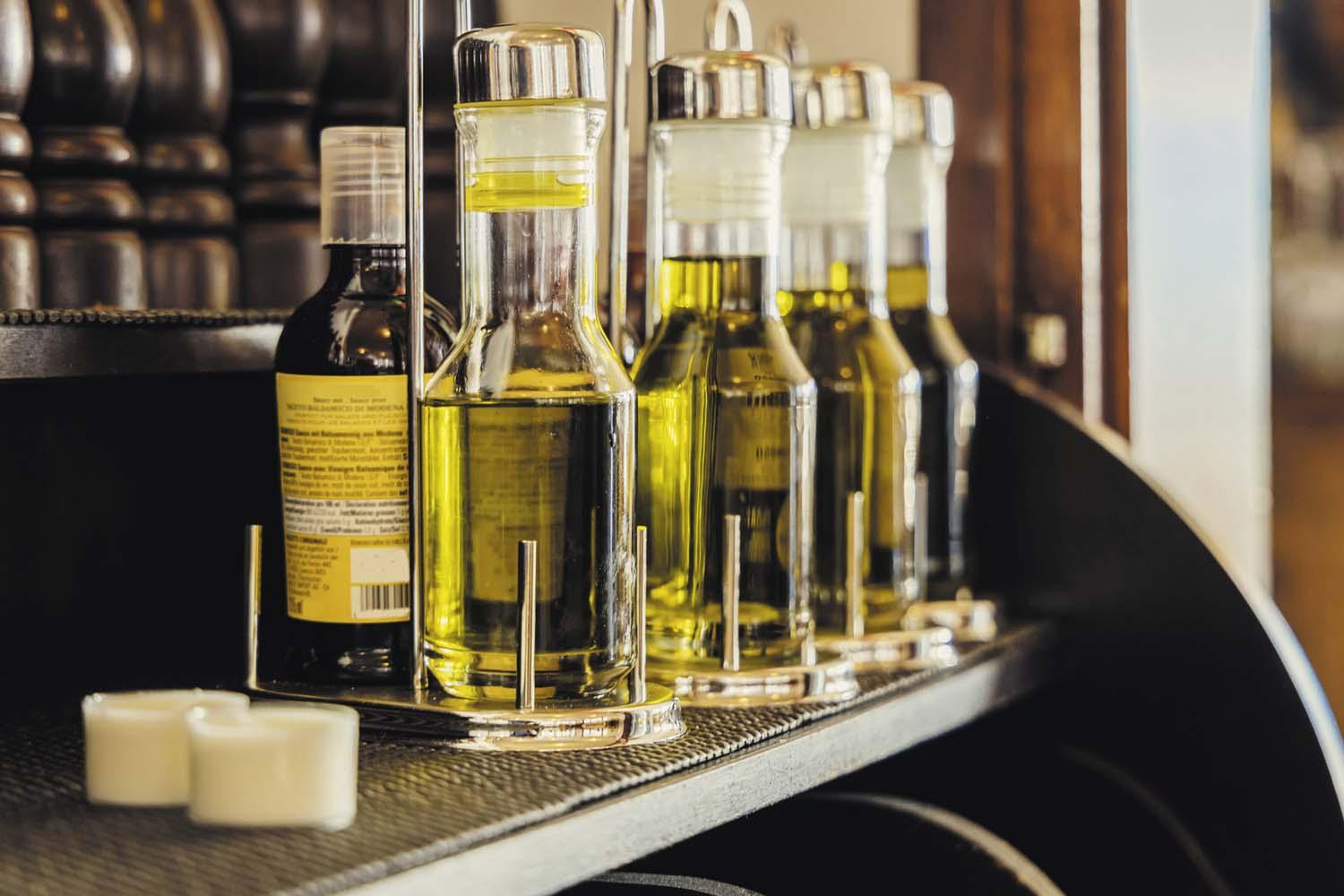
Replacing butter with plant oils may produce health benefits
A 2025 study found that replacing butter with plant-based oil such as corn, canola, soybean, or olive oil is associated with significantly lower risks of dying from cardiovascular disease or cancer.
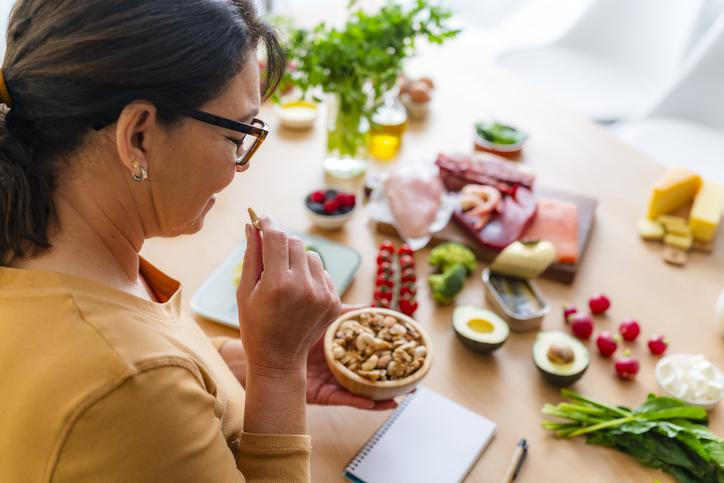
Combined with exercise, time-restricted eating may boost fat loss
A 2025 research review found that healthy adults who paired exercise with time-restricted eating lost more fat than participants who didn't restrict their eating window-without sacrificing lean muscle tissue.

What is essential tremor?
Essential tremor is marked by involuntary shaking of one or more body parts, such as the hands, arms, legs, or head. Avoiding caffeine and stress and getting plenty of rest can be helpful. Several medications are available to ease the symptoms.

Working during retirement years
Continuing to work in retirement can address many specific health needs of men as they age, such as stronger social connection, better cognitive health, and a greater sense of purpose. Regular work has been linked with higher rates of happiness and a lower risk for multiple health conditions. For men who don't want to re-enter the workforce, options like volunteering and mentoring can offer many of the same health benefits.
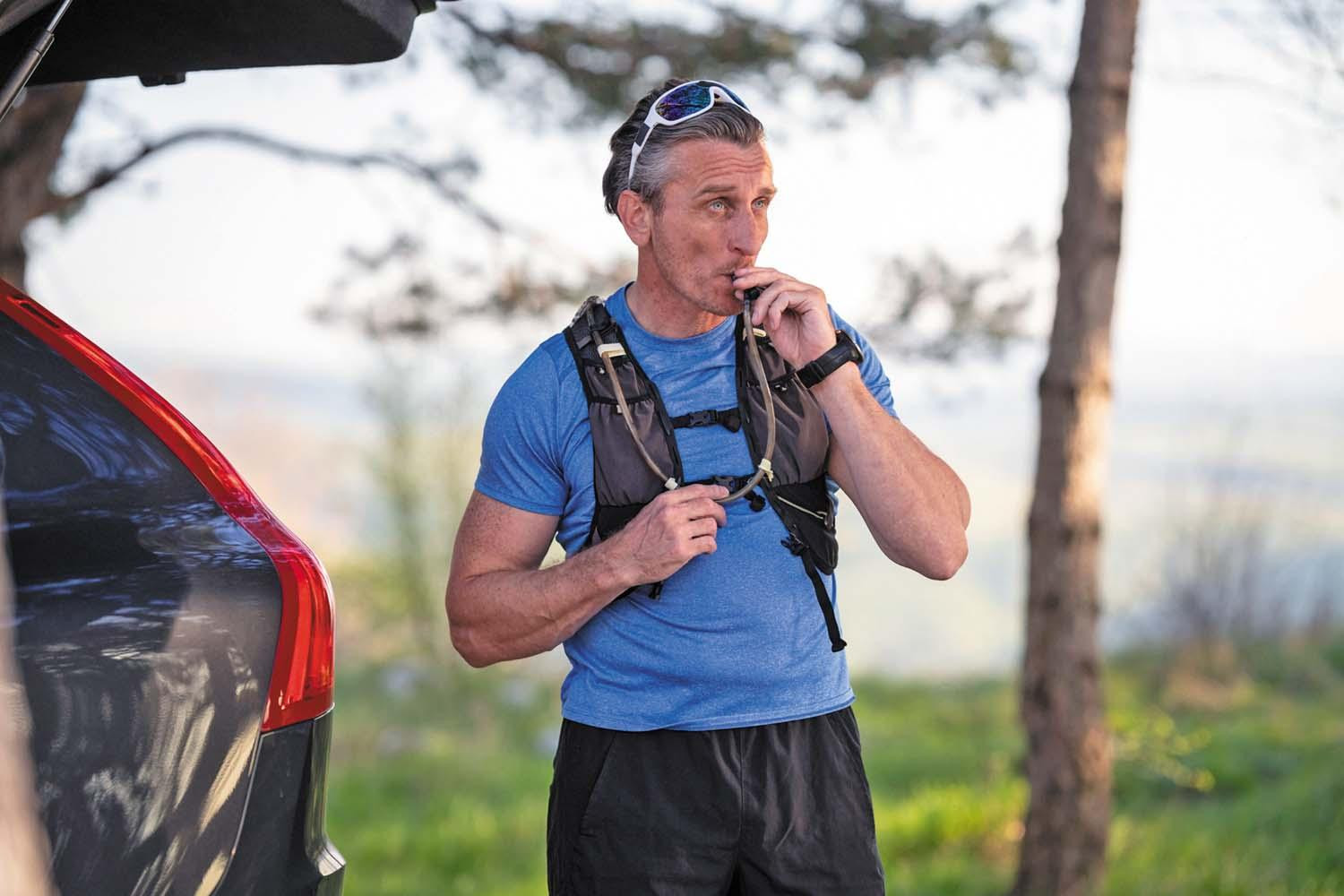
Try this: Hydration packs
A hydration pack is a backpack designed for almost any kind of outdoor activity that carries large amounts of water and allows easy, hands-free access, which provides a convenient way to stay hydrated without needing to stop for frequent water refills.
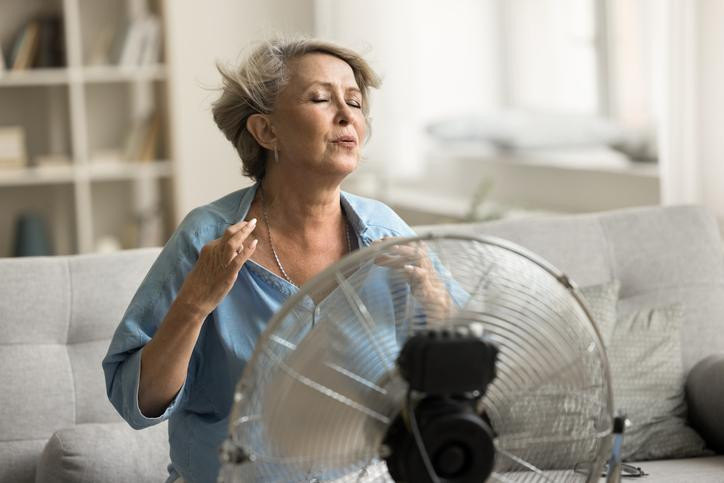
Extreme heat endangers older adults: What to know and do
The surge in heat waves and extreme heat poses serious health risks for everyone but is a particular worry for older adults. What can you do to manage heat-related risks, especially if you have existing health conditions or take certain medications?


CoQ10: Should you take this popular supplement if you're on a statin?
Microplastics: A hidden health threat?
Oat vs. dairy milk: Nutrition, benefits, and downsides
What is tempeh? Benefits, nutrition, and how to use it
Healing after food poisoning
Children of centenarians may stay healthier and live longer too, study finds
Light exposure at night may raise risk for heart disease
A lumbar belt may help ease low back pain
Whole grains may improve several heart risk factors at once
Signs of pneumonia: Sometimes vague and unexpected
Free Healthbeat Signup
Get the latest in health news delivered to your inbox!
Sign Up
