

CoQ10: Should you take this popular supplement if you're on a statin?

Microplastics: A hidden health threat?

Oat vs. dairy milk: Nutrition, benefits, and downsides

What is tempeh? Benefits, nutrition, and how to use it

Healing after food poisoning

Children of centenarians may stay healthier and live longer too, study finds

Light exposure at night may raise risk for heart disease

A lumbar belt may help ease low back pain

Whole grains may improve several heart risk factors at once

Signs of pneumonia: Sometimes vague and unexpected
Caregiving Archive
Articles

Even light physical activity may help prevent dementia
Past research shows that exercise may help to prevent dementia. A new study found that this may be true even for people who only do light daily activity, such as errands or housework. People who got only a little exercise still had a lower risk of dementia than those who were inactive. The risk reduction, however, was not as large as that seen in people who exercised more. Adding small daily bouts of activity may still make a difference when it comes to brain health.

Don't waste time (or money) on dietary supplements
In 2022, Americans are projected to spend $35.6 billion on dietary supplements, even though there is little, if any, evidence of benefits. Loopholes in guidelines and clever marketing allow companies to promote these products with misleading promises. While some people may need specific supplements to help with deficiencies, for the average healthy person, following a diet with plenty of fruits and vegetables provides all essential vitamins and minerals.

Eating more olive oil linked to longer life span
Consuming more than a half tablespoon of olive oil per day may protect people from cardiovascular disease, cancer, and Alzheimer's disease, according to a 2022 study.

The worst habits for your brain
Many habits can contribute to poor brain health, but four areas can have the most influence. They are the four S's: sitting, socializing, sleep, and stress. Research has found that poor habits in these areas can affect cognitive skills like memory, learning, and problem solving, and are linked to a higher risk of cognitive decline and Alzheimer's disease. Adopting simple lifestyle changes may help.

Laughing with friends linked to lower risk of disability
An observational study published in the February 2022 issue of Preventive Medicine suggests that laughing with friends is associated with a 30% reduced risk of developing functional disability—problems performing essential everyday activities.

Pool therapy beats physical therapy for chronic low back pain
A small, randomized trial published online Jan. 3, 2022, by JAMA Network Open suggests that aquatic or pool therapy is more effective at reducing chronic low back pain than physical therapy.
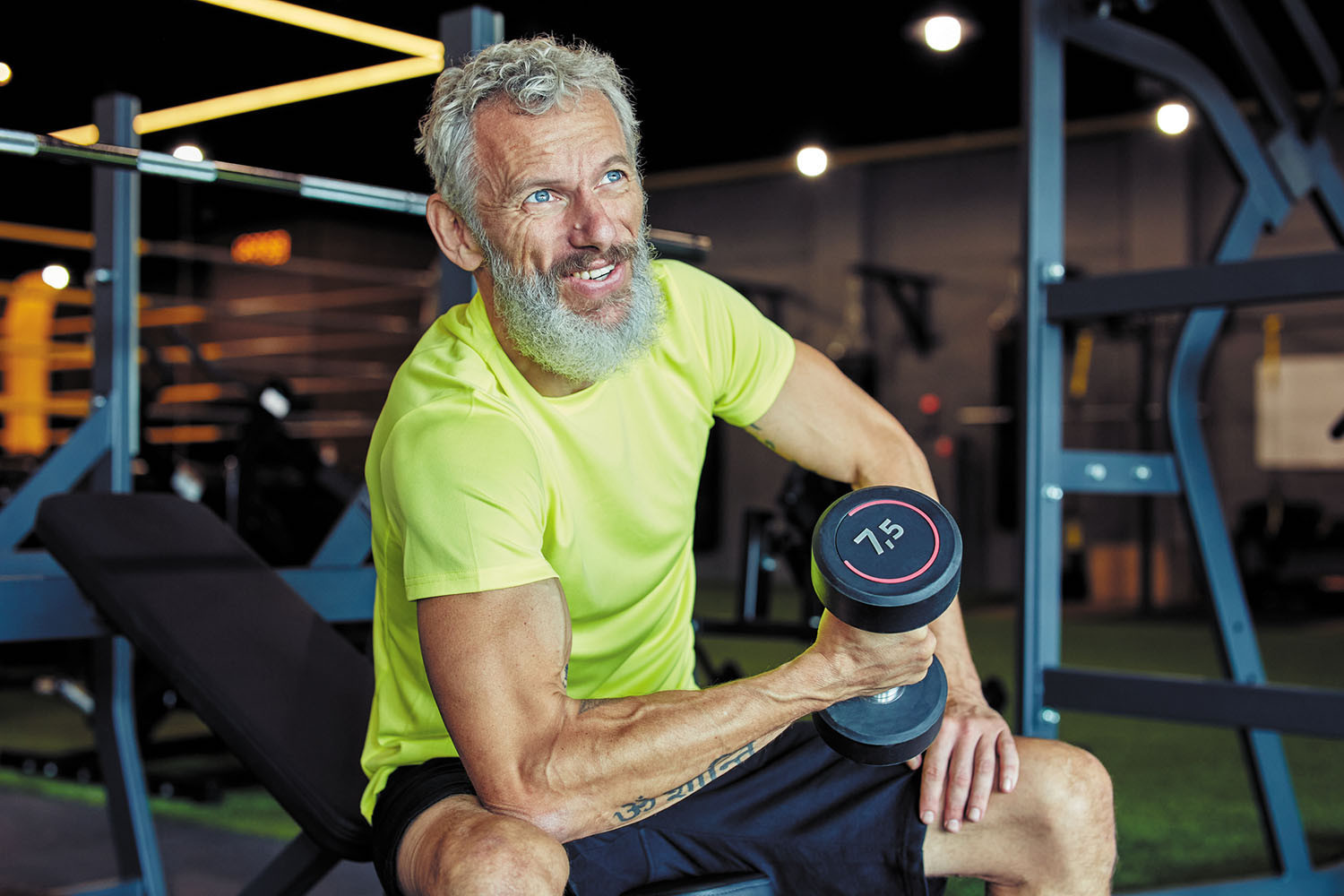
A healthier way to look at body fat
According to the CDC, about 42% of men ages 60 and older are obese. But fat in itself is not the issue, as the body needs a certain amount of fat to stay healthy. The amount of stored fat, and especially its location in the body, have the greatest impact on health. Consuming too many calories and not getting enough exercise both contribute to stored fat, but people can reduce their amounts by watching calorie intake and increasing exercise, in particular with resistance training for men.

Harvard study: High olive oil consumption associated with longevity
A study published Jan. 18, 2022, in the Journal of the American College of Cardiology found that people who consumed the most olive oil had a 19% lower risk of dying during a 28-year study period, compared with those who rarely or never consumed olive oil.

Does a low-salt diet really improve your health?
Using salt substitutes containing potassium chloride instead of using sodium chloride (table salt) may help reduce heart attack and stroke risk. A Harvard study published online Nov. 13, 2021, by The New England Journal of Medicine found that people who consumed the most sodium chloride had a 60% higher risk of a major cardiovascular event (a heart attack, a stroke, cardiac stent placement, or surgery) compared with those who consumed the least. People who consumed the most potassium chloride had a 31% lower risk of a major cardiovascular event compared with the people who consumed the least.

5 common foot problems and how to cope with them
Many conditions affect the feet and can cause pain. Five common problems are bunions, fallen arches, hammertoes, ingrown toenails, and plantar fasciitis. Fortunately, there's a wide range of treatments for relief. New approaches include stretching the calf muscles to improve the way feet fit into orthotic insoles; shock-wave treatment for plantar fasciitis; and minimally invasive surgeries for bunions and hammertoes that involve small instruments and incisions. Tried-and-true therapies include soaking feet when an ingrown toenail causes pain, or wearing a splint at night for plantar fascitis.
CoQ10: Should you take this popular supplement if you're on a statin?
Microplastics: A hidden health threat?
Oat vs. dairy milk: Nutrition, benefits, and downsides
What is tempeh? Benefits, nutrition, and how to use it
Healing after food poisoning
Children of centenarians may stay healthier and live longer too, study finds
Light exposure at night may raise risk for heart disease
A lumbar belt may help ease low back pain
Whole grains may improve several heart risk factors at once
Signs of pneumonia: Sometimes vague and unexpected
Free Healthbeat Signup
Get the latest in health news delivered to your inbox!
Sign Up
