

CoQ10: Should you take this popular supplement if you're on a statin?

Microplastics: A hidden health threat?

Oat vs. dairy milk: Nutrition, benefits, and downsides

What is tempeh? Benefits, nutrition, and how to use it

Healing after food poisoning

Children of centenarians may stay healthier and live longer too, study finds

Light exposure at night may raise risk for heart disease

A lumbar belt may help ease low back pain

Whole grains may improve several heart risk factors at once

Signs of pneumonia: Sometimes vague and unexpected
Blood Pressure Archive
Articles
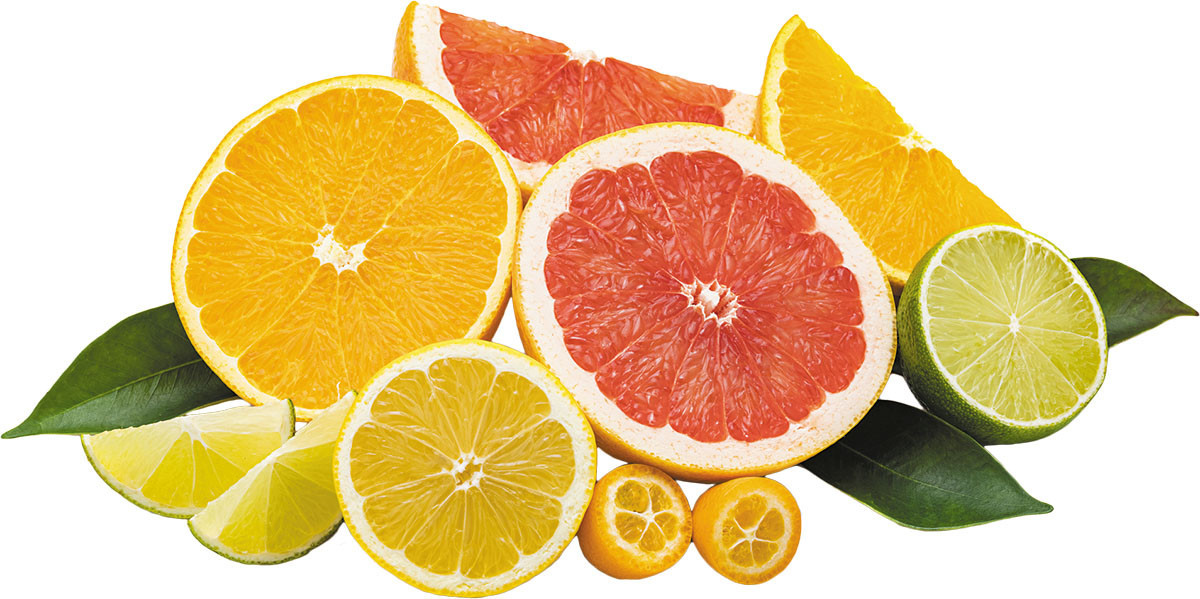
Fruit of the month: Citrus fruits

Switching to a salt substitute may reduce stroke risk

Constipation: A connection to cardiovascular disease?

What is palliative care for heart failure?

What to do when your blood pressure won’t go down

Anti-inflammatory food superstars for every season
Inflammation is part of the body's healing process, but chronic inflammation can contribute to a range of health issues. In every season, regularly eating a variety of anti-inflammatory foods can benefit your health.

Walnuts: A worthy addition to your daily diet?
Research has found that people who eat nuts regularly are less likely to have heart disease. While all varieties of nuts are full of important nutrients, a two-year randomized trial shows a daily dose of walnuts lowered levels of harmful blood lipids that affect cardiovascular health -- and without adding extra pounds.

Ask the doctor: Is it possible to reverse coronary artery disease?
I have coronary artery disease. Is this something I can have cured or get rid of, or is keeping it from getting worse the best I can do?

Different types of tachycardia
A rapid heartbeat may be due to supraventricular tachycardia or ventricular tachycardia. The former is usually harmless, while the latter is more serious and more likely to occur in older people with heart disease.

Breathing your way to better health
CoQ10: Should you take this popular supplement if you're on a statin?
Microplastics: A hidden health threat?
Oat vs. dairy milk: Nutrition, benefits, and downsides
What is tempeh? Benefits, nutrition, and how to use it
Healing after food poisoning
Children of centenarians may stay healthier and live longer too, study finds
Light exposure at night may raise risk for heart disease
A lumbar belt may help ease low back pain
Whole grains may improve several heart risk factors at once
Signs of pneumonia: Sometimes vague and unexpected
Free Healthbeat Signup
Get the latest in health news delivered to your inbox!
Sign Up
