

CoQ10: Should you take this popular supplement if you're on a statin?

Oat vs. dairy milk: Nutrition, benefits, and downsides

Microplastics: A hidden health threat?

Healing after food poisoning

What is tempeh? Benefits, nutrition, and how to use it

Light exposure at night may raise risk for heart disease

Whole grains may improve several heart risk factors at once

A lumbar belt may help ease low back pain

Children of centenarians may stay healthier and live longer too, study finds

Signs of pneumonia: Sometimes vague and unexpected
Anxiety Archive
Articles

Top ways to reduce daily stress
Chronic stress is bad for health. It can trigger physical problems, including chronic inflammation—the persistent activation of the immune system, which sharply raises the risks for many diseases such as dementia, heart disease, or stroke. Ways to reduce stress include living a healthy lifestyle, doing relaxation exercises, stretching, being mindful, taking a brisk walk, reducing loud noise, using laughter, playing soothing music, countering negative thoughts, reaching out for help from a loved one, and using positive self-talk.

Harvard study: Fish oil doesn't prevent depression
A large, randomized Harvard study published online Dec. 21, 2021, by JAMA found that taking fish oil supplements didn't prevent depression in otherwise healthy older adults.

Finding your focus
The brain has an enormous power to learn, remember, and solve problems. Yet, like any aging body part, it can gradually slow, and people may find it harder to concentrate and stay focused. Following certain strategies can help prepare the brain for situations that require a high level of focus and improve overall brain health.

Anger or emotional upset may trigger stroke
Anger or emotional upset may be linked to an increased risk of stroke within an hour of experiencing those negative emotions.

Under pressure: How stress may affect your heart
Mental stress ischemia occurs when emotional stress causes a decline in blood flow to the heart. The condition, which affects about one in six people with heart disease, may more than double a person's risk of heart attack. Mental stress ischemia appears to be caused in part by changes in the wall and inner lining of the heart's smallest blood vessels. Known as microvascular disease, this problem tends to be more prevalent in women. In contrast, a more common cause of chest pain is narrowing of the large arteries of the heart.

Treating insomnia may head off depression
Treating insomnia with cognitive behavioral therapy (CBT-I) may reduce the risk of depression in older adults. CBT-I seeks to modify thoughts and habits to improve sleep. It outperformed a more traditional insomnia treatment, sleep education therapy (SET), which seeks to change environmental factors and behaviors that contribute to poor sleep.
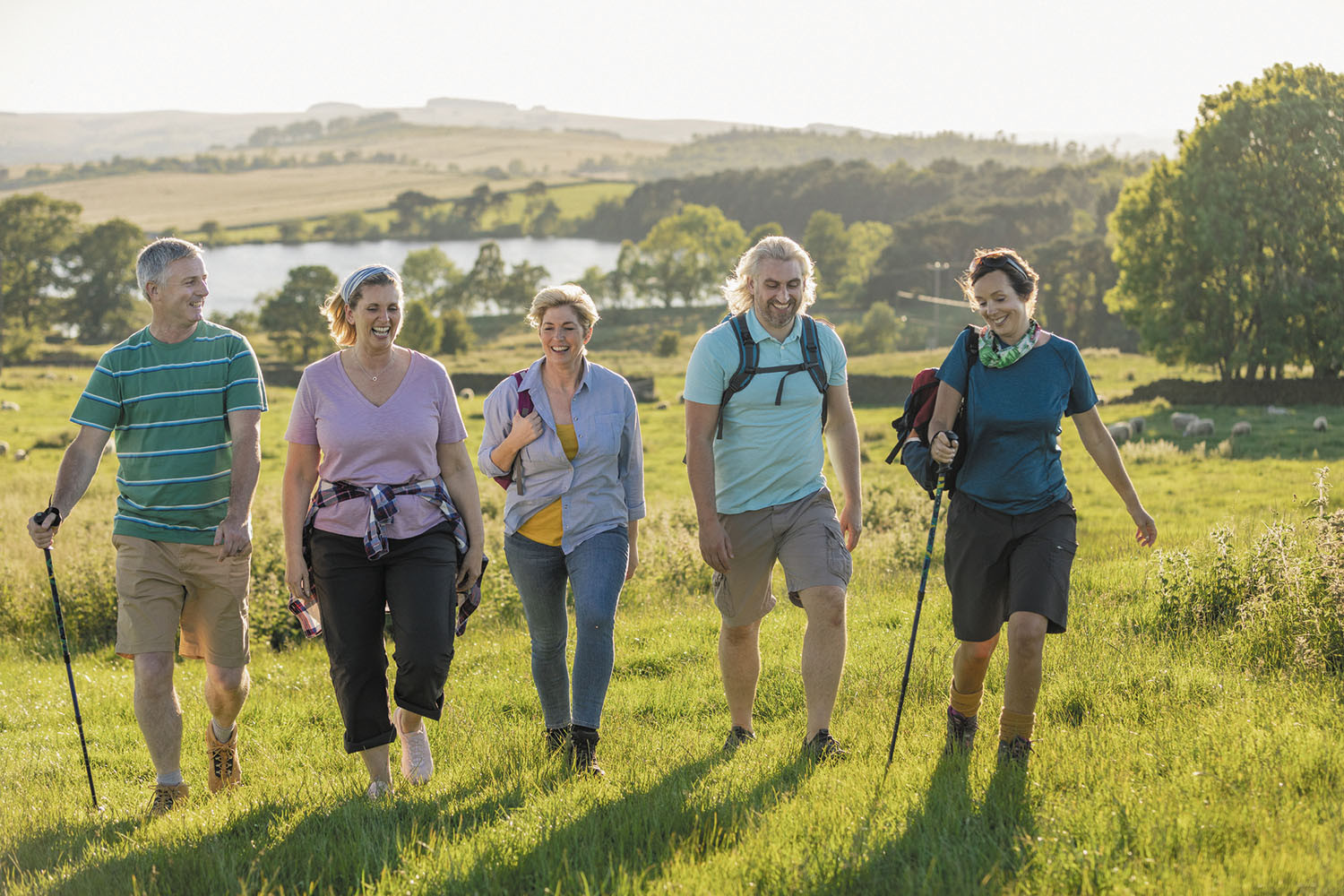
Hike your way to better health
Hiking is similar to walking but can be more challenging and can provide a nice change of pace. Walking over uneven terrain typically burns more calories than a walk on a flat surface. It also builds muscle strength and improves balance. A wilderness walk also brings mental health benefits. Choosing a path to a scenic destination may motivate people to go farther and climb higher and increase fitness gains.

Resilience: 5 ways to help children and teens learn it
The past two years have been hard and children and teens have had to deal with particularly challenging circumstances. Resilience—the ability to overcome hardship and stress—is one of the most important skills parents can teach their children.

Can we prevent depression in older adults by treating insomnia?
Depression is common among older adults, and insomnia doubles the risk of major depressive disorder. There is increasing evidence that treating insomnia in older people who have both insomnia and major depression has the potential to improve both their sleep and their mood.

Optimism, heart health, and longevity: Unraveling the link for Black Americans
CoQ10: Should you take this popular supplement if you're on a statin?
Oat vs. dairy milk: Nutrition, benefits, and downsides
Microplastics: A hidden health threat?
Healing after food poisoning
What is tempeh? Benefits, nutrition, and how to use it
Light exposure at night may raise risk for heart disease
Whole grains may improve several heart risk factors at once
A lumbar belt may help ease low back pain
Children of centenarians may stay healthier and live longer too, study finds
Signs of pneumonia: Sometimes vague and unexpected
Free Healthbeat Signup
Get the latest in health news delivered to your inbox!
Sign Up
