

Even a little exercise linked with lower stroke risk in people with afib

Testosterone therapy without evidence of deficiency may boost heart risk

Weight-loss drug may lower risk of heart attacks and infections

What to eat on the DASH diet

Migraine: How it's diagnosed and what that means

Tricep workouts you can do at home

Mindfulness practices to reduce stress and improve focus

Antihistamines may not offer meaningful relief from eczema symptoms

Overweight and taking blood pressure medications: Study finds it's a trend that's working

FDA approves first mRNA-based flu vaccine
Alzheimer's Archive
Articles
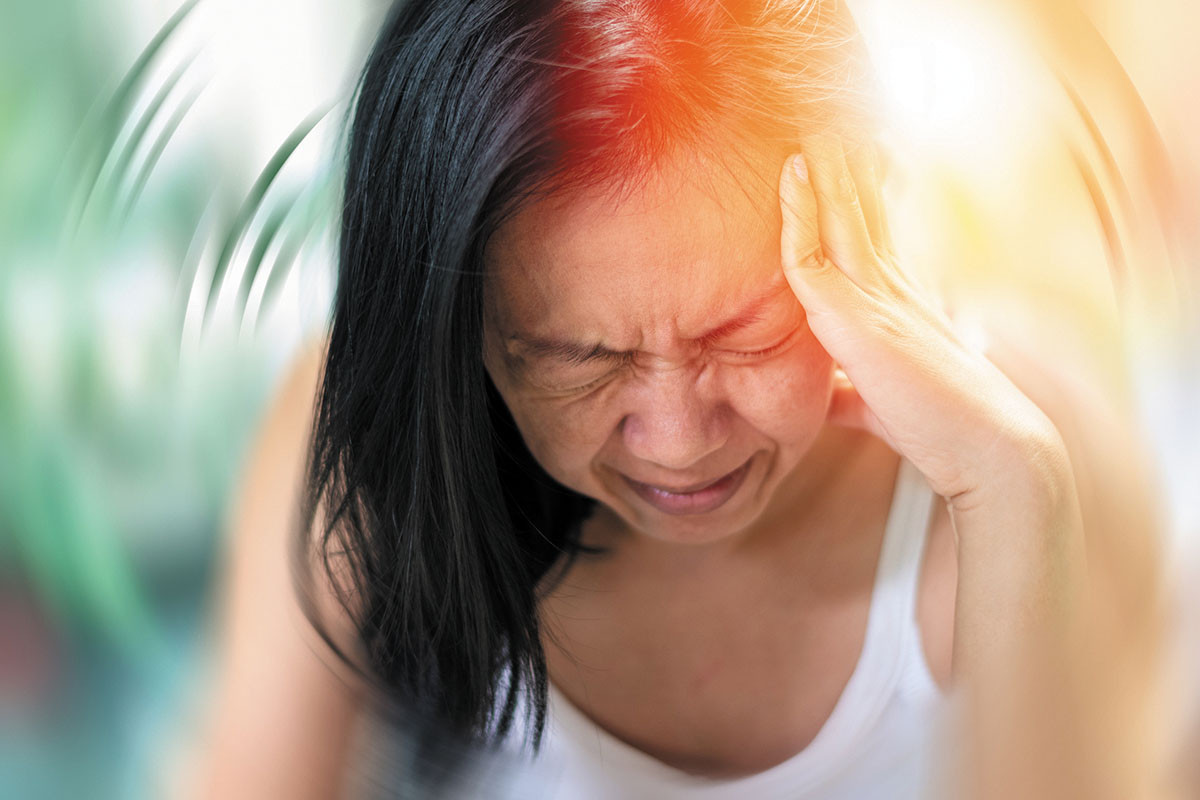
How can I tell if I have a concussion?
Concussions occur when the brain bumps or twists inside the skull after a blow to the head. Signs of concussion include headache, eye pain or fatigue, neck pain or stiffness, imbalance, impaired depth perception, difficulty remembering, or sleep pattern changes.

Have you done your crossword puzzle today?
A study found that people with mild cognitive impairment who did crossword puzzles regularly showed modest improvement in cognition and less brain shrinkage. Will doing crossword puzzles be helpful to people whose thinking and memory are normal?

Shortage of ADHD medicines: Advice on coping if you are affected
The prescription drug Adderall has been in short supply for months. How widespread is this problem, and what are the consequences, and possible solutions, for adults who rely on this medication to manage ADHD?

Can a multivitamin keep your brain healthy?
A recent study found that older adults who took a multivitamin daily for three years had improved scores on tests of executive function, memory, and overall brain function, but the study wasn't large enough, long enough, or diverse enough to rely on its conclusions alone.

Building a "cognitive reserve" offers brain protection in old age
A 2022 study suggests that following certain healthy habits throughout life can create a "cognitive reserve" that may protect the brain from dementia. People in their 60s and 70s can still build up their reserve by pursuing a combination of brain-stimulating activities.
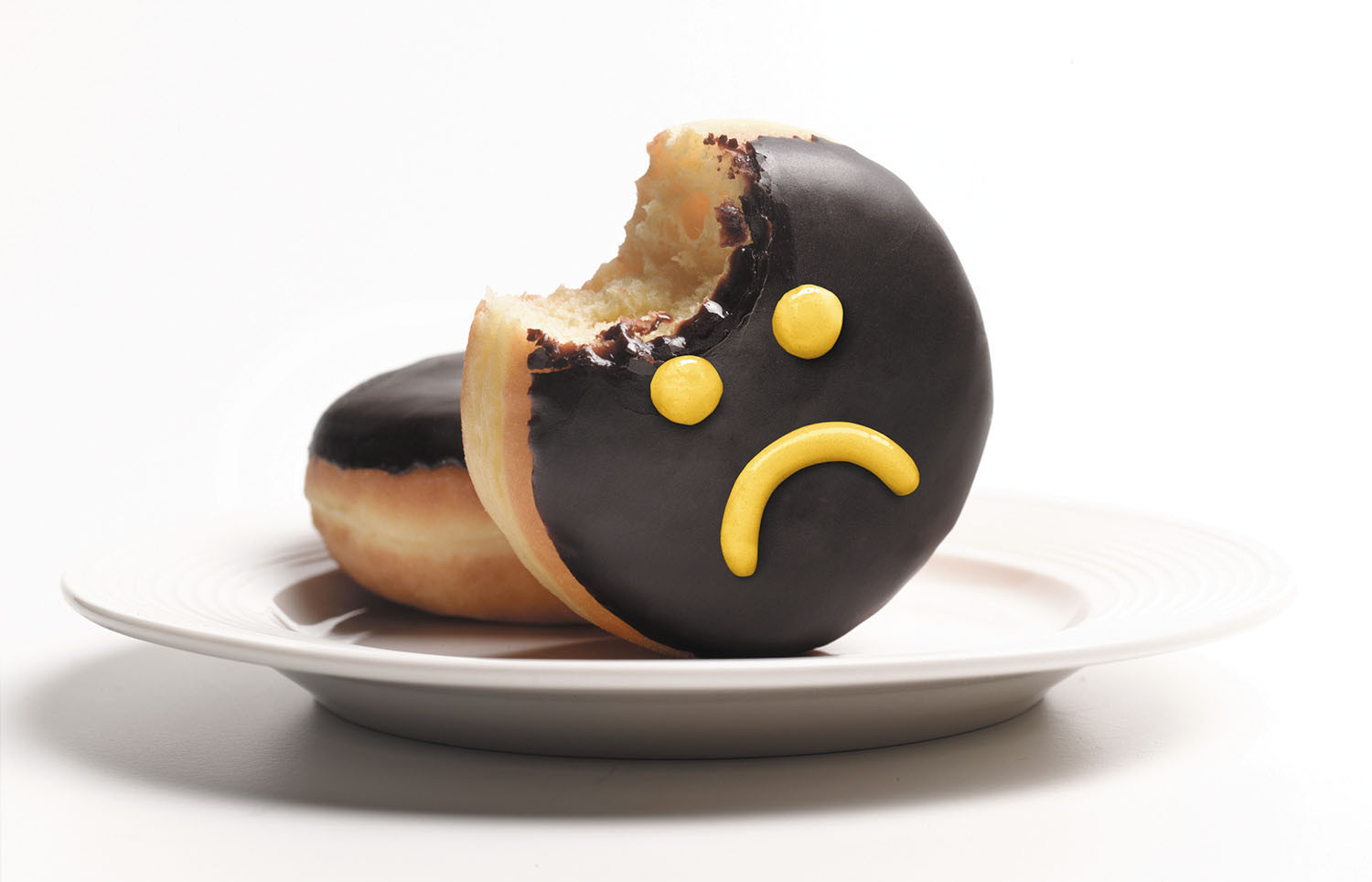
Cutting back on ultra-processed foods linked with lower dementia risk
People who ate large amounts of ultra-processed foods had a greater risk of later developing dementia compared with people who ate little of these foods, according to a 2022 study. Researchers estimated that switching out even 10% of ultra-processed foods for healthier options might lower one's risk.

6 myths about dementia
There are many misconceptions about dementia. One is that it's a disease. In fact, dementia is a general term describing thinking and memory skills that have deteriorated to the point of experiencing problems with daily activities. Another myth is that dementia is part of normal aging. It isn't; dementia is simply more common as people get older — just like heart disease, stroke, and cancer. Other common myths about dementia include the notions that it always appears as memory loss, it's always genetic, it causes the loss of all memories, and it's never reversible.

Can these approaches really improve memory?
Scientists are studying two novel approaches to improve memory. One approach centers on molecules in the blood and spinal fluid that appear to help improve memory. So far, experiments have been limited to lab animals. Another approach involves exposing the brain to electrical currents. A study in humans, published online Aug. 22, 2022, by the journal Nature Neuroscience, found that electrical stimulation directed at specific areas of the brain improved both working memory and long-term memory for at least a month.

What's the relationship between memory loss and driving?
Alzheimer's disease and other forms of dementia affect all the regions of the brain involved in driving, but whether or not a person should give up driving depends on the severity of the disease and the specific cognitive abilities that are impaired.
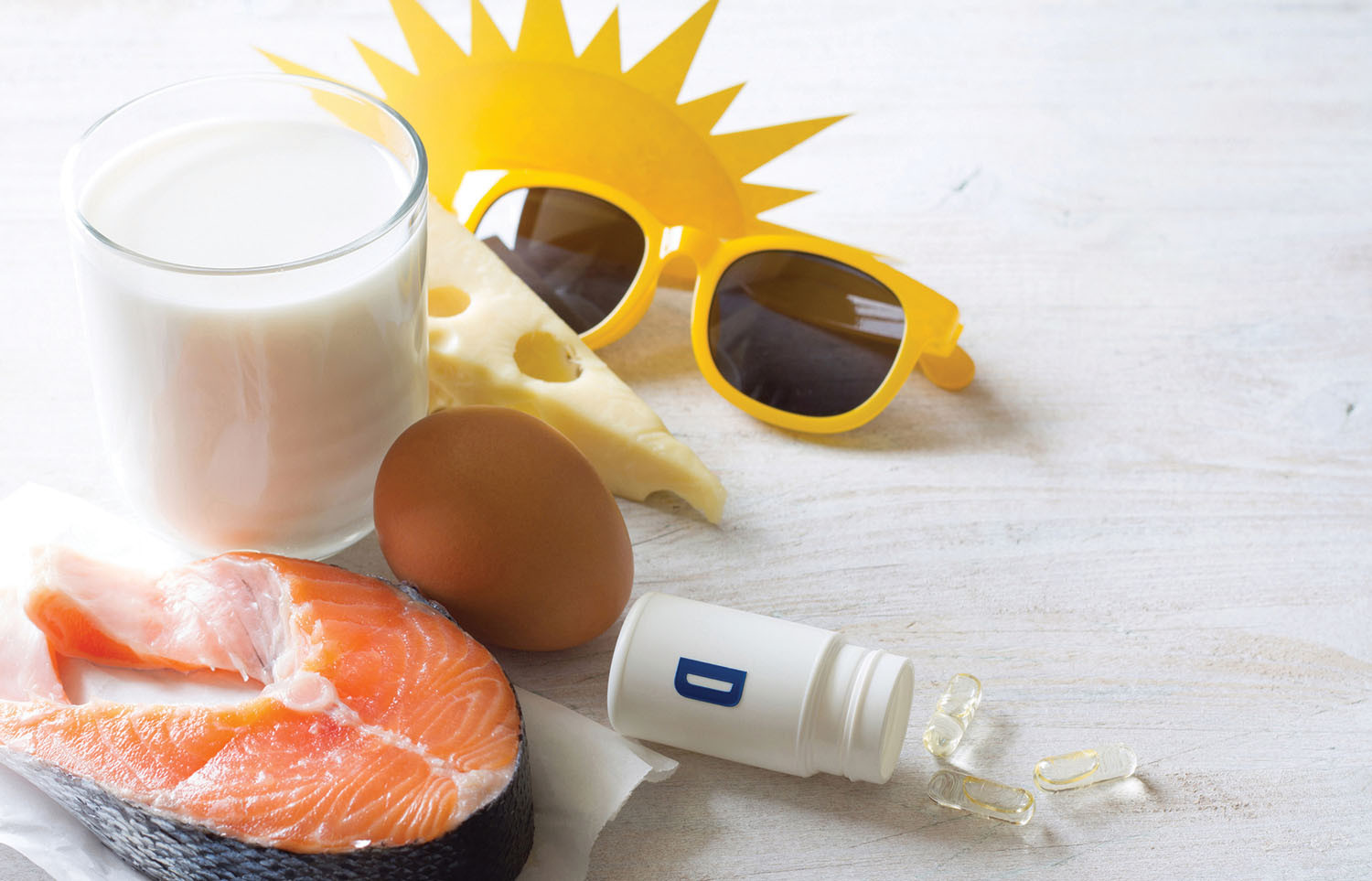
Low vitamin D levels may increase odds of dementia
A 2022 study found that low blood levels of vitamin D (under 25 nanomoles per liter) were linked with higher risks of dementia. People can boost vitamin D levels from diet, supplements, or sun exposure.
Even a little exercise linked with lower stroke risk in people with afib
Testosterone therapy without evidence of deficiency may boost heart risk
Weight-loss drug may lower risk of heart attacks and infections
What to eat on the DASH diet
Migraine: How it's diagnosed and what that means
Tricep workouts you can do at home
Mindfulness practices to reduce stress and improve focus
Antihistamines may not offer meaningful relief from eczema symptoms
Overweight and taking blood pressure medications: Study finds it's a trend that's working
FDA approves first mRNA-based flu vaccine
Free Healthbeat Signup
Get the latest in health news delivered to your inbox!
Sign Up
