

Even a little exercise linked with lower stroke risk in people with afib

Testosterone therapy without evidence of deficiency may boost heart risk

Weight-loss drug may lower risk of heart attacks and infections

What to eat on the DASH diet

Migraine: How it's diagnosed and what that means

Tricep workouts you can do at home

Mindfulness practices to reduce stress and improve focus

Antihistamines may not offer meaningful relief from eczema symptoms

Overweight and taking blood pressure medications: Study finds it's a trend that's working

FDA approves first mRNA-based flu vaccine
Alzheimer's Archive
Articles

Screening for cognitive dysfunction
Occasional forgetfulness and memory lapses are often dismissed as a sign of normal aging. But if these episodes become more frequent or problematic, or if they affect daily life, older adults should consult their primary care physician, A doctor can offer an evaluation for mild cognitive impairment. This includes a brief in-office screening test of thinking skills like short-term recall, concentration, attention, ability to juggle multiple tasks, and orientation to time and place.

Sleep added to list of essential healthy heart habits
The American Heart Association added sleep to its list of factors for cardiovascular health. The others are a healthy diet; physical activity; low levels of nicotine exposure; and healthy levels of weight, cholesterol, blood sugar, and blood pressure.

Hearts and minds
Vascular dementia, which arises from longstanding, cumulative damage to small blood vessels in the brain, may cause or contribute to up to half of cases of dementia. The vessels may thicken or become blocked by blood clots, causing tiny strokes that damage specific parts of the brain important for various thinking abilities. Keeping blood pressure in the recommended range of 120/80 or lower is the best way to prevent vascular dementia.
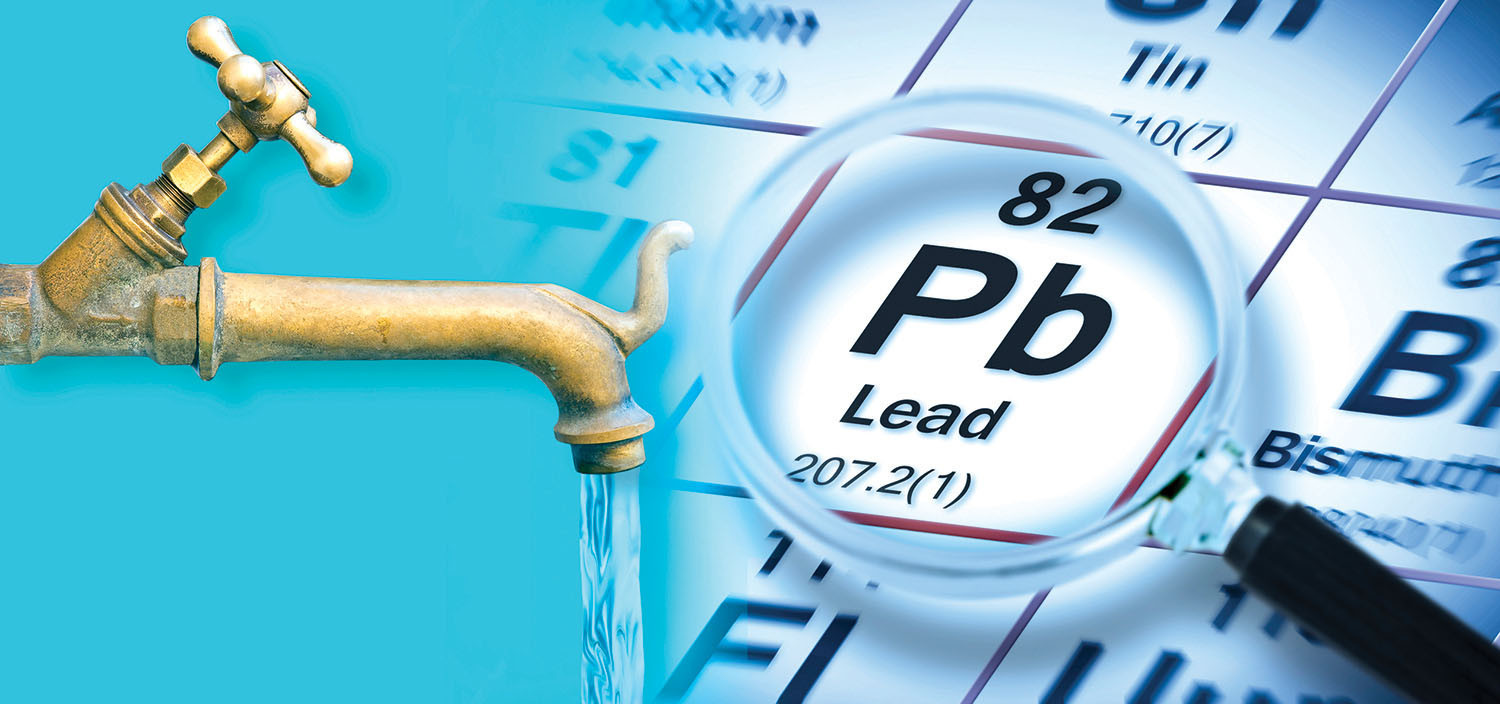
The dirt on soil and water pollution
Soil and water pollution from heavy metals, pesticides, and microplastics may affect a person's risk of cardiovascular disease. These pollutants can enter the body when people eat crops grown in dirty soil, drink water contaminated by dirty soil, or inhale soil dust. Lead, cadmium, and arsenic are among the most pressing concerns. Potentially helpful actions include testing one's drinking water, buying organic foods, and minimizing plastic use.

The popularity of microdosing of psychedelics: What does the science say?
Renewed research into the potential benefits of psychedelic drugs has led to interest in microdosing — taking a fraction of a regular dose. Many people believe that microdosing can help them, but the evidence from some recent studies is mixed.

AFM: A scary polio-like illness
Acute flaccid myelitis (AFM) is an uncommon illness with symptoms that are somewhat similar to polio — weakness and loss of muscle tone in the arms and legs. AFM occurs most often in children and treatment is largely supportive.

Severe COVID infection may lead to noticeable cognitive loss
A 2022 study found that survivors of severe COVID-19 infections can develop cognitive problems, such as brain fog or trouble finding words, equivalent to the loss of 10 IQ points or 20 years of aging.

High-inflammatory diets linked with increased dementia risk
Healthy older adults may have a higher risk for dementia if they follow high-inflammatory diets that include greater amounts of simple sugars, cholesterol, saturated fat, and fried foods.

The mental powers of super-agers
Older adults known as super-agers have cognitive function similar to that of young people. Experts believe this is because their brains shrink at a much slower rate, which may be the result of genetics or lifestyle habits or both. While people can't alter their genes, it could be possible to slow their natural brain decline by adopting some super-ager habits, like being physically active, pursuing mentally challenging hobbies, eating a diet rich in inflammation-fighting foods, and engaging with social groups.

Poor handgrip strength in midlife linked to cognitive decline
A large study published online June 23, 2022, by JAMA Network Open found that poor handgrip strength in midlife was associated with cognitive decline a decade later.
Even a little exercise linked with lower stroke risk in people with afib
Testosterone therapy without evidence of deficiency may boost heart risk
Weight-loss drug may lower risk of heart attacks and infections
What to eat on the DASH diet
Migraine: How it's diagnosed and what that means
Tricep workouts you can do at home
Mindfulness practices to reduce stress and improve focus
Antihistamines may not offer meaningful relief from eczema symptoms
Overweight and taking blood pressure medications: Study finds it's a trend that's working
FDA approves first mRNA-based flu vaccine
Free Healthbeat Signup
Get the latest in health news delivered to your inbox!
Sign Up
