









Have a little self-compassion
Treating yourself with kindness can help you get back on track if you've fallen short of a goal or made a mistake.
Think about how you treat yourself when you make a mistake, fail to reach a goal, or find yourself drifting into a general pattern of inaction or lack of direction. Do you blame yourself or feel worthless? Or do you console yourself, forgive yourself for any mistakes, consider what you might do differently next time, and gradually build the motivation to try again? If you tend to beat yourself up when things go wrong, you, like most people, can use a little more self-compassion in your life.
Defining self-compassion
Psychologists who are interested in topics related to positive psychology, mindfulness, and the science of happiness and satisfaction are just beginning to study self-compassion. Self-compassion means "being warm and understanding toward ourselves when we suffer, fail, or feel inadequate, rather than flagellating ourselves with self-criticism," says Kristin Neff, associate professor of educational psychology at the University of Texas, Austin, who developed the first scale to measure self-compassion.
According to Neff, just as watching another person's suffering can be deeply moving and make you want to help, so too does compassion toward one's self bring many benefits for both physical and mental health. She outlines three components to self-compassion:
Self-kindness is the ability to be warm and understanding toward yourself when you fall short of your goals, to soothe and nurture yourself when confronting pain rather than getting angry. It's the capacity to respond to yourself as you would respond to a friend in a similar circumstance.
Common humanity is the awareness that you are not alone in your imperfection. And because everyone else makes mistakes, too, it is easier to forgive yourself your own transgressions.
Mindfulness is the nonjudgmental observation of your own thoughts, feelings, and actions, without trying to suppress or deny them. When you look in the mirror and don't like what you see, accept the bad with the good with a compassionate attitude.
Many people have trouble with the concept of self-compassion. They fear it may lead to self-indulgence. They worry that if they are too easy on themselves they will fail to be motivated, or become lazy and less interested in achieving their goals. They think of it as "letting yourself off the hook" or wallowing in self-pity. But this line of thinking has been shown to be incorrect. Instead, people who are self-compassionate are motivated to take on new challenges and learn new skills because these activities make them happy and because they are not afraid to fail.

© JGI/Jamie Grill | Getty Images
Forgiving and nurturing yourself help you get back on track if you've broken your diet or fallen short of other goals.
Consider dieting, for example. People who break their diets by eating too much often blame themselves. They may find themselves thinking, "I'm such a pig. I can't believe I ate that," and then eat even more food, figuring that it's too late to keep to the plan. But a study published in the Journal of Social and Clinical Psychology showed how self-compassion can help. Participants who learned to feel self-compassion were less likely to overeat in reaction to having gone off their diets, perhaps thinking instead, "Nobody's perfect. Everyone indulges from time to time. I'll get back on track now." In a similar way, self-compassion can be useful in quitting smoking.
People sometimes confuse self-compassion with self-esteem. The two are quite different. Conditional self-esteem requires you to compare yourself to others-to feel that you're better than other people in some way. It's unsustainable, because sooner or later you either change your reference group (that is, once you're successful, you compare yourself to other successful people) or see your position slip (how many Olympic gold medalists win the gold four or eight years later?). Trying to maintain self-esteem is therefore a constant struggle. By contrast, self-compassion requires no comparison to others. And more importantly, self-compassion is available whether you are feeling up or down, whether you're winning or losing at the moment. In fact, it is often stronger when things are not going your way. Self-esteem, on the other hand, tends to plummet when things go badly.
The discussion is relevant to how we raise our children today. If your children or grandchildren don't make a sports team or get cast in the school play, resist the temptation to tell them what great players or actors they are and to enumerate all the ways they are better than the other kids. Instead, just acknowledge their disappointment and sadness and help soothe the pain by letting them know that you also feel bad when you don't succeed, that it happens to everyone, and that these feelings can take a little while to go away. Reinforce the positive values they might have displayed in the process-working hard, playing fair, and congratulating someone else.
Why develop self-compassion?
Forgiving and nurturing yourself help you get back on track and reach goals, but they do even more than that. They also set the stage for better health, relationships, and general well-being, says Neff. Lower levels of anxiety and depression have been observed in people with higher self-compassion. Self-compassionate people recognize when they are suffering and are kind to themselves at these times, thereby lowering their own anxiety levels and related depression.
According to Neff, another benefit is greater wisdom and emotional intelligence, suggesting that self-compassion is a wise way to deal with stress and other difficulties in life. Several aspects of well-being have been documented to be associated with self-compassion, including feelings of social connection and life satisfaction. Some research suggests that self-compassionate people experience more happiness, optimism, curiosity, and positive attitudes compared with people who are less self-compassionate.
As for motivation, self-compassionate people have been found to aim just as high as others, but with the recognition that they may not always reach their goals. Self-compassionate people display less self-handicapping behavior, such as procrastination, than those who lack self-compassion. And they are motivated to learn and grow, but are not as concerned with performance goals or the desire to enhance self-esteem. "Thus self-compassionate people are motivated to achieve, but for intrinsic reasons, not because they want to garner social approval," Neff says.
Behaviors that foster better health may also be linked to self-compassion, including the motivation to control weight and quit smoking.
Even interpersonal relationships may benefit from self-compassion. In one study, the partners of self-compassionate people described them as being more emotionally connected, accepting, and supportive of autonomy. They were also described as less detached, controlling, and verbally or physically aggressive than those who were less self-compassionate.
One surprise came when researchers investigated whether self-compassionate people were more compassionate toward others. As it turns out, they were, but only slightly. In fact, the research suggested that people who are self-critical are often more likely to be compassionate toward others and to defer="defer" their own needs to the needs of others or acquiesce to others' demands. People who are self-compassionate, on the other hand, tend to find a compromise with others without neglecting their own needs, and they are better able to sustain being a caregiver (whether as part of a job or caring for a family member) without experiencing burnout.
Learn to have self-compassion
While some people come by self-compassion naturally, others have to learn it. Luckily, it is a learnable skill. Several methods have been proposed, and training is available in person and online.
© SelectStock | Getty Images
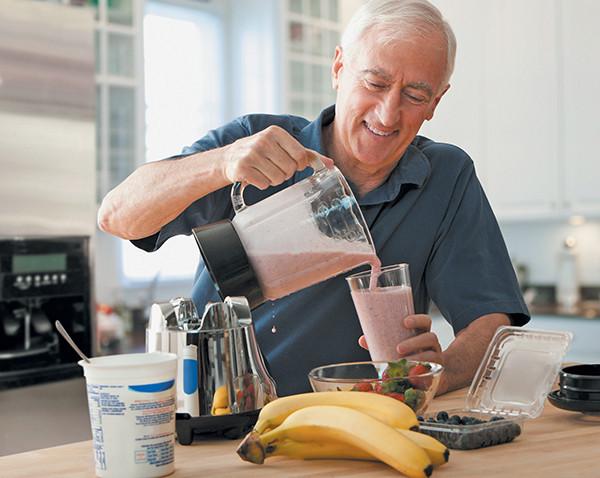
Treat your body well- for example, eat something healthy, get a good night's sleep, or take a walk. Anything you do to improve how you feel physically gives you a dose of self-compassion.
Neff collaborated with Harvard psychologist Christopher Germer on a book titled The Mindful Self-Compassion Workbook: A Proven Way to Accept Yourself, Build Inner Strength, and Thrive. In it, they offer a step-by-step process of learning to end harsh self-judgment and cultivate self-compassion. The following suggestions are a few of their strategies:
Treat your body well. Eat something healthy. Lie down and rest. Massage your own neck, feet, or hands. Take a walk. Anything you can do to improve how you feel physically gives you a dose of self-compassion.
Write a letter to yourself. Think of a situation that caused you to feel pain (a breakup with a lover, a job loss, a poorly received presentation). Write a letter to yourself describing the situation without blaming anyone. Nurture your feelings.
Give yourself encouragement. Think of what you would say to a good friend who was experiencing the same thing. Direct these compassionate responses toward yourself when the pain feels stronger.
Practice mindfulness. Self-compassion adds another dimension to the acceptance of ourselves while we're in pain. Neff and Germer developed an eight-week program, Mindful Self-Compassion, which they tested in a randomized trial comparing program participants to people in a wait-list control group. As hoped, those who completed the program developed greater compassion both for themselves and for others and also reported less depression, stress, and anxiety. The more people practiced the skills they learned, the greater their improvements.
Disclaimer:
As a service to our readers, Harvard Health Publishing provides access to our library of archived content. Please note the date of last review or update on all articles.
No content on this site, regardless of date, should ever be used as a substitute for direct medical advice from your doctor or other qualified clinician.