










How can caregiving affect your health?
Ask the doctor
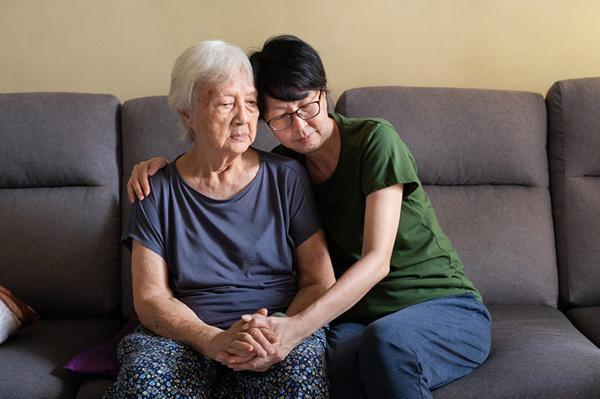
Q. My mother has advanced lung cancer and is receiving chemo. I live with her and am also her caregiver. We have been very close all of our lives, and I am having a hard time adjusting well. Sometimes I even get angry with her and then I feel guilty. The next step is I get depressed and have thought about a way out, but have not attempted anything. Can you suggest anything to help me cope?
A. When a patient talks about a "way out," I worry that he or she is contemplating suicide, which is an understandable reaction to feeling trapped. This is a very serious and scary problem, but it is also pretty common — many people who feel trapped by their situation imagine ending it all. Fortunately, there are other and much better ways out of this dilemma.
Anyone who is feeling desperate should immediately call the suicide hot line at 988 or a medical professional.
Caregiving is very stressful. It is quite normal to have mixed emotions of anger at the person requiring constant attention, followed by guilt at feeling any anger. It is not so easy, however, to stop feeling guilty, even when a person is reassured that there is nothing to feel guilty about.
Talking to a psychotherapist about the caregiving relationship can be very helpful. A therapist should ask about the ups and downs of the relationship prior to the current situation. We are all imperfect, and so are our relationships. A person can come to a better understanding of how prior and present conflicts came to be, and how the conflicts affect how the caregiver feels.
Also, a therapist may offer some practical ideas to help manage the stress — for example, learning to set limits about what a caregiver can realistically do each day and offering ways to present the limits in a kind and loving way.
Anticipation of losing a loved one adds to the complex feelings in caring for someone who is very ill. A therapist can help with those feelings, too.
Symptoms of depression should be addressed even when the reasons for depression seem obvious, such as caregiver stress and the fear of losing a loved one. In addition to psychotherapy, an antidepressant medication is likely to be very helpful. Medication for anxiety or for trouble sleeping may also be useful.
Mind your own health. Caregivers need to take care of themselves first. It's like the flight attendant says before takeoff: if the oxygen masks are released, put your mask on first before you assist anyone you are traveling with. Make sure to sleep enough, eat well, get some exercise, and make some time for yourself. This is easier said than done, but maybe you can allow yourself to feel more entitled to look after your own needs.
Image: © goc/Getty Images
About the Author

Howard E. LeWine, MD, Chief Medical Editor, Harvard Health Publishing; Editorial Advisory Board Member, Harvard Health Publishing
Disclaimer:
As a service to our readers, Harvard Health Publishing provides access to our library of archived content. Please note the date of last review or update on all articles.
No content on this site, regardless of date, should ever be used as a substitute for direct medical advice from your doctor or other qualified clinician.


