What can cause osteoporosis in men?
Ask the doctor
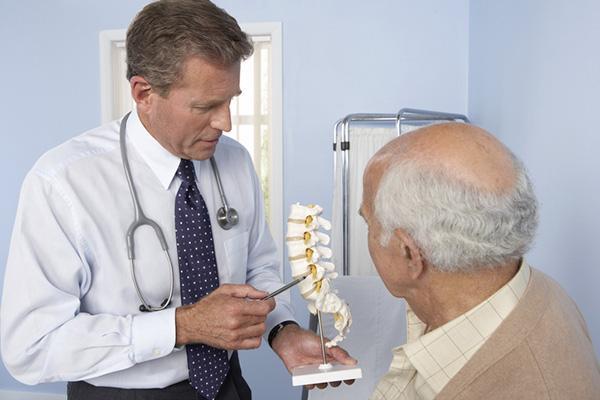
Q. I am a 56-year-old male. I have been diagnosed with osteoporosis. Most literature I've seen addresses this problem in women. Are the causes of this disease different in men than in women, e.g., celiac disease?
A. Men do get osteoporosis, although it is less frequent in men than in women. The causes of thin bones are similar in both groups. Many things can affect the growth and loss of bone during a lifetime. Genetic factors, diet, physical activity, and hormones are just some things known to affect bone development. And the risk of developing osteoporosis definitely increases with age.
It is not always possible to know why someone gets osteoporosis. However, doctors often look for "secondary causes, particularly if the bone loss is out of the expected range for someone of that gender and age group. If appropriate, the specific cause should be searched for, in order to treat the condition appropriately.
What are the common causes? Hormone levels are known to affect bone growth and bone loss. In men, both male hormones (testosterone) and female hormones (estrogen) play a role in bone growth and loss. Sometimes men produce less testosterone as they age, and this might contribute to osteoporosis. Some other disease or surgery may affect their hormone levels.
Other hormones can be involved in the development of osteoporosis. Parathyroid hormone, for example, is involved in calcium metabolism in the body. Bone loss can occur if there is too much of this hormone. So levels are often measured to make sure a person does not have hyperparathyroidism (an overactive parathyroid gland).
A number of medications are known to cause thin bones. The most commonly identified ones include prednisone and other steroid medications, and some medicines used to treat seizures. Heavy alcohol use and smoking can also lead to thin bones. Vitamin D is necessary for normal bone growth, so deficiency of this vitamin can lead to thinning of bone.
Thin bones can be associated with inflammatory bowel disease, malabsorption syndromes, celiac sprue, and having had part or all of the stomach removed. The development of osteoporosis might relate to decreased absorption of vitamin D or calcium. It also can be due to medications used to treat some of these diseases. Untreated celiac disease definitely has been associated with osteoporosis.
Because there are so many possible causes of osteoporosis, it is recommended that you see your doctor to decide if further evaluation is needed before you begin treatment.
Image: © Adam Gault/SPL/Getty Images
About the Author

Howard E. LeWine, MD, Chief Medical Editor, Harvard Health Publishing; Editorial Advisory Board Member, Harvard Health Publishing
Disclaimer:
As a service to our readers, Harvard Health Publishing provides access to our library of archived content. Please note the date of last review or update on all articles.
No content on this site, regardless of date, should ever be used as a substitute for direct medical advice from your doctor or other qualified clinician.