

Signs of pneumonia: Sometimes vague and unexpected

The surprising link between ovarian cancer and the fallopian tubes

Using a vibration plate: What it can — and can't — do for your body

People who walk more or walk faster live longer, study finds

Rosacea treatments: What works?

For sleep apnea, a dental device may be as effective as CPAP

Carb cycling: What is it, and does it work?

Understanding orthorexia: Have your healthy eating goals gone too far?

Melatonin or magnesium: Can either supplement help you sleep?

Salmonella, E. coli, Cyclospora, and other germs that cause food poisoning: What you need to know
HHP Medication Safety Watch: July 2025
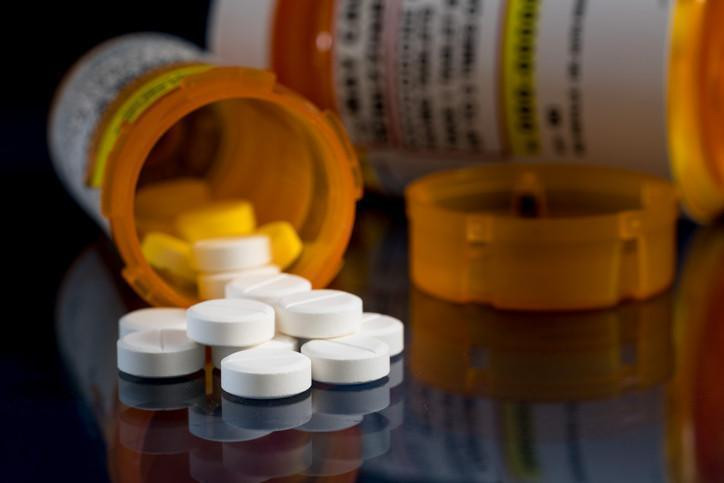
Harvard Health Publishing shares selected recalls, withdrawals, and alerts from the FDA, drug and supplement makers, and other sources. We’ve provided links to information for each product. Unless otherwise noted, these actions apply only to the specific brand name of the product listed. Talk to your health care provider before stopping or changing any medicines or treatments that they have recommended for you.
Prescription medicines
Stimulant medicines for ADHD may cause weight loss in young children
Comment: The FDA has issued a new warning about a risk for weight loss when extended-release stimulant medicines for attention deficit hyperactivity disorder (ADHD) are given to children who are younger than age 6.
The warning focuses on certain extended-release forms of amphetamine and methylphenidate. The makers of these drugs will be required to attach revised labels that include the new warning.
If a young child taking these medicines begins to lose weight, their parent or guardian is advised to review the risks and benefits of continuing this treatment with the health care provider who prescribed it. Together they should consider other options, such as adjusting the dose, switching to an immediate-release form of the medicine, and/or trying behavioral therapies.
Ulcer medicine recalled due to lack of quality control
- Sucralfate tablets, 1 gram (maker: Nostrum Laboratories)
Comment: The maker of this medicine has recalled all lots after the company filed for bankruptcy and ceased operations, including its quality control program for this drug. Without rigorous quality control measures, the drug’s maker cannot assure proper dosing, stability, or purity. Although no specific risks have been identified, anyone taking the medicine affected by this recall is advised to stop taking it and contact their doctor about a potential replacement.
Sucralfate is prescribed mainly to prevent and treat ulcers in the stomach and upper intestines.
Read additional issues of HHP Medication Safety Watch
Disclaimer:
As a service to our readers, Harvard Health Publishing provides access to our library of archived content. Please note the date of last review or update on all articles.
No content on this site, regardless of date, should ever be used as a substitute for direct medical advice from your doctor or other qualified clinician.
Signs of pneumonia: Sometimes vague and unexpected
The surprising link between ovarian cancer and the fallopian tubes
Using a vibration plate: What it can — and can't — do for your body
People who walk more or walk faster live longer, study finds
Rosacea treatments: What works?
For sleep apnea, a dental device may be as effective as CPAP
Carb cycling: What is it, and does it work?
Understanding orthorexia: Have your healthy eating goals gone too far?
Melatonin or magnesium: Can either supplement help you sleep?
Salmonella, E. coli, Cyclospora, and other germs that cause food poisoning: What you need to know



Free Healthbeat Signup
Get the latest in health news delivered to your inbox!
Sign Up
