Can too much calcium from food and supplements harm your heart?
Ask the expert
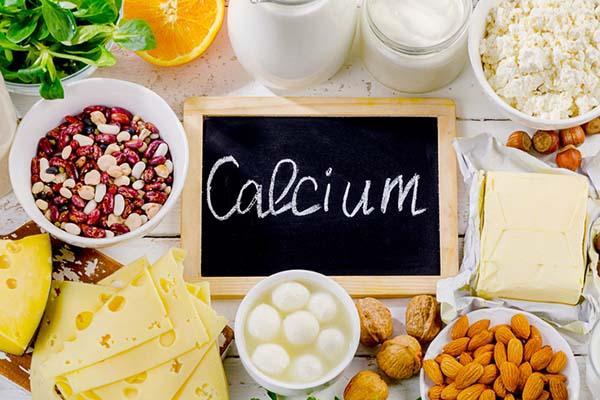
Q. I saw a program on the news about calcium buildup in the heart. I take 1,000 mg of calcium every morning and have about three glasses of milk daily, plus the milk on my large dish of cereal. Is this too much calcium? Is there any danger from taking in more calcium than you need? Can it cause calcium buildup in my heart?
A. The answer to your first question is yes. You are taking in a lot more calcium than you need to keep your bones healthy.
The current recommendation in the United States is 1,000 milligrams (mg) of calcium per day from ages 19 to 50 and then 1,200 mg per day after age 50. However, these amounts are probably more than we actually need. For example, in the United Kingdom, the recommendation is only 700 mg per day. The World Health Organization says that 500 mg daily is enough.
I estimated your calcium intake based on the information you provided. Eight ounces of milk contains 300 mg. Three glasses of milk is 900 mg. You are getting additional calcium from other foods. Adding the 1,000 mg supplement each day, your total daily consumption of calcium is well over 2,000 mg per day.
Regarding your second question, does ingesting that much calcium adversely affect your health? No definitive answer on that one. Some studies have shown that men who take in very high amounts of calcium have an increased risk of dying from prostate cancer. Other studies suggest that women who ingest high doses of calcium might have more heart disease and may have a slightly increased risk of ovarian cancer. But none of these studies is conclusive.
The effect of calcium on the heart and circulatory system is a very interesting question. When fatty deposits build up in our arteries, they pull out calcium from the bloodstream. The calcium gets deposited inside the fatty deposits. The calcium makes arteries stiff. The calcium in our blood comes from our bones.
In the past, scientists generally believed that the amount of calcium in our diets did not have any influence on calcium getting into arteries. There is so much calcium stored in bone, whether we ate too much or too little calcium, it didn't matter. Today, some well-respected scientists question this theory. No solid proof yet, but they have shown a way that excess dietary calcium might damage arteries.
The known danger of taking too much calcium is elevated levels of blood calcium called hypercalcemia. If untreated, this can lead to fatigue, kidney problems, and mental confusion. But this is actually quite uncommon, even in people who ingest more calcium than you.
Personally, I would recommend cutting back on the calcium and being sure you get enough vitamin D. Many experts now recommend 800 to 1,000 International Units per day. Like calcium, more is not necessarily better. Vitamin D enhances the absorption of calcium from the intestine into the blood, so moderate intake of both is best.
Image: © bit245/Getty Images
About the Author

Robert H. Shmerling, MD, Senior Faculty Editor, Harvard Health Publishing; Editorial Advisory Board Member, Harvard Health Publishing
Disclaimer:
As a service to our readers, Harvard Health Publishing provides access to our library of archived content. Please note the date of last review or update on all articles.
No content on this site, regardless of date, should ever be used as a substitute for direct medical advice from your doctor or other qualified clinician.