

Whole grains may improve several heart risk factors at once

Light exposure at night may raise risk for heart disease

Children of centenarians may stay healthier and live longer too, study finds

A lumbar belt may help ease low back pain

Signs of pneumonia: Sometimes vague and unexpected

The surprising link between ovarian cancer and the fallopian tubes

Using a vibration plate: What it can — and can't — do for your body

People who walk more or walk faster live longer, study finds

Rosacea treatments: What works?

For sleep apnea, a dental device may be as effective as CPAP
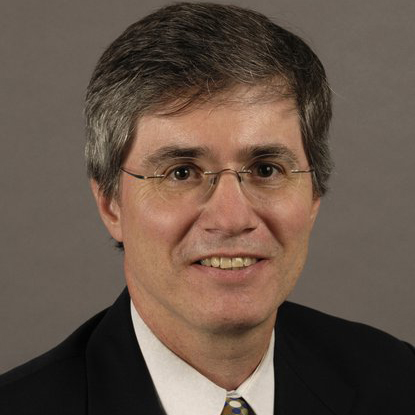
Richard Lewis, MD
Contributor
Dr. Richard Lewis is an associate professor of otolaryngology–head and neck surgery, and associate professor of neurology at Harvard Medical School. A board-certified neurologist who specializes in vestibular and balance disorders as well as otoneurology, he also directs the Jenks Vestibular Diagnostic Laboratory at Massachusetts Eye and Ear.
He received his medical degree from Yale University prior to completing an internal medicine internship at Northwestern University. He then completed his residency in neurology and a four-year combined research and clinical fellowship in otoneurology at Johns Hopkins Hospital.
Whole grains may improve several heart risk factors at once
Light exposure at night may raise risk for heart disease
Children of centenarians may stay healthier and live longer too, study finds
A lumbar belt may help ease low back pain
Signs of pneumonia: Sometimes vague and unexpected
The surprising link between ovarian cancer and the fallopian tubes
Using a vibration plate: What it can — and can't — do for your body
People who walk more or walk faster live longer, study finds
Rosacea treatments: What works?
For sleep apnea, a dental device may be as effective as CPAP

