

Whole grains may improve several heart risk factors at once

Light exposure at night may raise risk for heart disease

Children of centenarians may stay healthier and live longer too, study finds

A lumbar belt may help ease low back pain

Signs of pneumonia: Sometimes vague and unexpected

The surprising link between ovarian cancer and the fallopian tubes

Using a vibration plate: What it can — and can't — do for your body

People who walk more or walk faster live longer, study finds

Rosacea treatments: What works?

For sleep apnea, a dental device may be as effective as CPAP
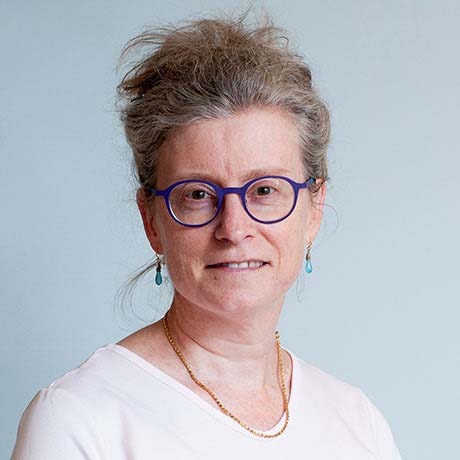
Elizabeth Hohmann, MD
Contributor
Dr. Elizabeth Hohmann is an infectious disease specialist, clinical researcher, and director of the fecal microbiota transplant (FMT) core lab at Massachusetts General Hospital. She is also an associate professor of medicine at Harvard Medical School. Dr. Hohmann earned her MD from Harvard Medical School, completed a residency in internal medicine at Beth Israel Deaconess Medical Center, and went on to a fellowship in infectious disease medicine at Massachusetts General Hospital.
Primary research interests for Dr. Hohmann include intestinal infections and gut microbiome health, with special interests in salmonellosis, listeriosis, and C. difficile colitis. Dr. Hohmann’s current research focuses on improving the gut microbiome. She marvels at how far this field of medicine has advanced. “When I was in medical school, we did not even know there was a gut microbiome to preserve,” she says. “Now we appreciate how important this can be for many aspects of health.”
Whole grains may improve several heart risk factors at once
Light exposure at night may raise risk for heart disease
Children of centenarians may stay healthier and live longer too, study finds
A lumbar belt may help ease low back pain
Signs of pneumonia: Sometimes vague and unexpected
The surprising link between ovarian cancer and the fallopian tubes
Using a vibration plate: What it can — and can't — do for your body
People who walk more or walk faster live longer, study finds
Rosacea treatments: What works?
For sleep apnea, a dental device may be as effective as CPAP

