

| In this issue of HEALTHbeat: • 8 ways to handle heartburn without drugs • Do grapes and grape juice protect the heart like wine does? |
| Help
us be sure this email newsletter isn’t filtered as spam. Add HEALTHbeat@hms.harvard.edu to
your address book to ‘whitelist’ us with your filter, helping
future issues get to your inbox. |
||
![]() |
||
| May 13, 2008 | ||
Dear HEALTHbeat subscriber, Maybe it was that new cuisine you tried last night or overindulgence at a holiday meal, but at one time or another, most of us have dealt with the unpleasantness of heartburn. For most people it’s a thankfully rare occurrence. But for 19 million Americans, gastroesophageal reflux disease, or GERD, is a chronic problem. This issue of HEALTHbeat explores the most common causes of GERD and gives you eight ways to manage this bothersome condition. Also in this issue, Dr. Walter Willett, Harvard Heart Letter editorial board member, discusses whether grapes and grape juice have the same heart-healthy properties as wine. Wishing you good health, |
|
|||||||||||||||||||||||||||||
|
|
|||||||||||||||||||||||||||||
|
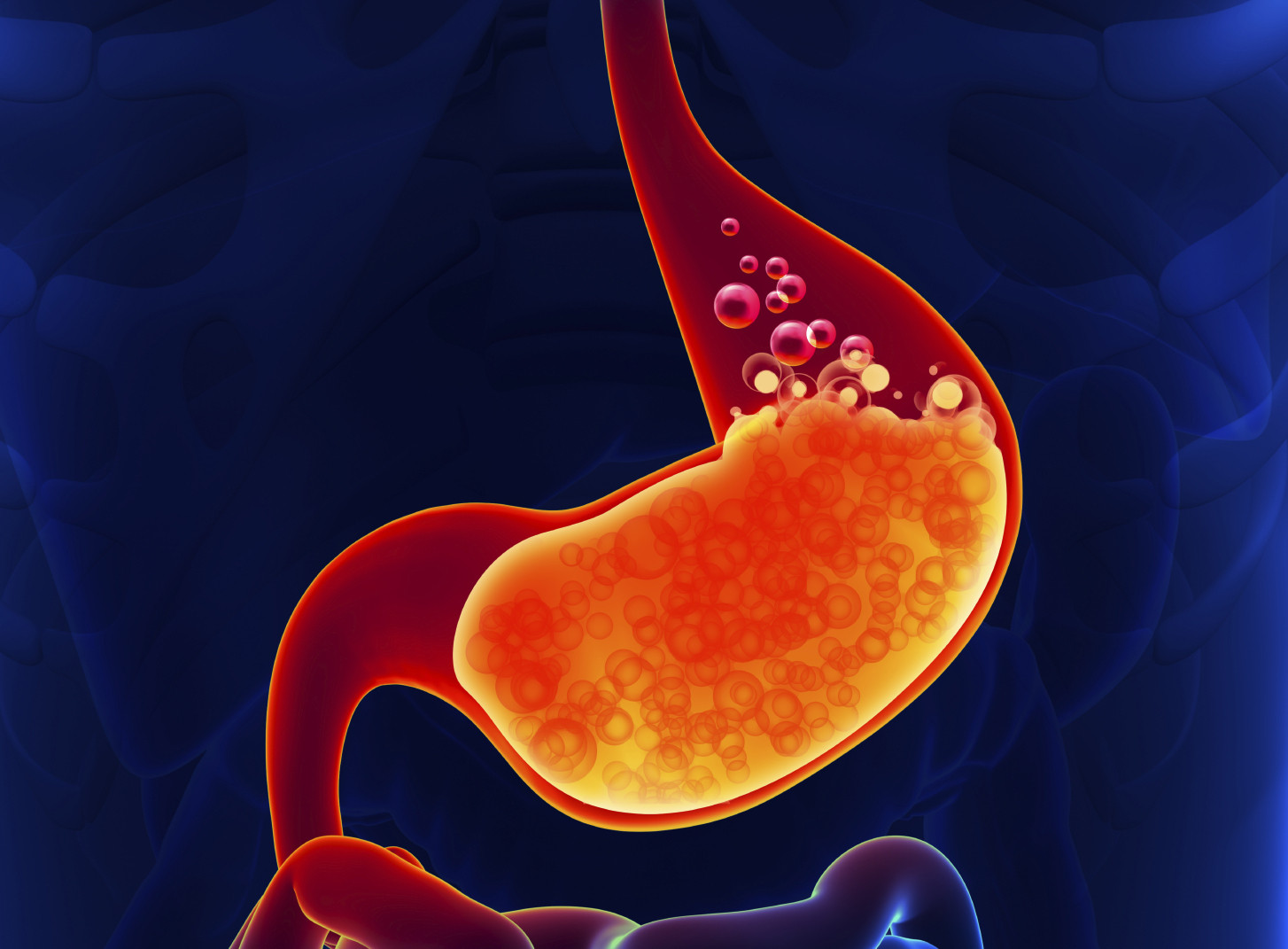
Doctors call it gastroesophageal reflux disease, or GERD. Millions of people call it heartburn. By any name, GERD is common, bothersome, and sometimes serious. But once you know you have GERD, you can control it and prevent complications. What is GERD?The ring-like muscles of the lower esophagus that prevent foods you swallow from returning from the stomach back into the esophagus is called the lower esophageal sphincter (LES). When your stomach is full, a tiny amount of food can sneak back into the esophagus when you swallow — that’s normal. But in people with GERD, substantial amounts of stomach acid and digestive juices backwash into the esophagus. Heartburn and “acid indigestion” are the most common result. A burning pain is typical, and when it’s accompanied by burping or bloating, it points to GERD as the cause. But there are “hidden” signs of GERD that are noticed in the lungs, mouth, and throat: Mouth and throat symptoms
Lung symptoms
CausesPoor function of the LES is responsible for most cases of GERD. A variety of substances can make the LES relax when it shouldn’t, and others can irritate the esophagus, making the problem worse. Other conditions can simply put too much pressure on the LES. Some of the chief culprits in GERD are shown below.
Therapy: LifestyleSome people with GERD need to turn to medications to relieve symptoms and prevent possible long-term damage to the esophagus. But simple lifestyle modifications can control heartburn and other GERD symptoms. Here are eight tips:
For more information on digestive disorders, order our Special Health Report, The Sensitive Gut, at www.health.harvard.edu/SG. |
|
||||||||||||||||||||
| [Back to top] | |||||||||||||||||||||
| ** The Sensitive Gut | |||||
| [CLICK TO READ MORE or BUY] | |||||
| ** The Healthy Heart: Preventing, detecting, and treating coronary artery disease | |||||
| [CLICK TO READ MORE or BUY] | |||||
| [Back to top] | |||||
Q: For the health of my heart and arteries, how does regular consumption of red wine compare with grape juice or the equivalent in grapes? A.You are asking a question that science hasn’t caught up with, especially when it comes to grape juice and grapes. Let’s start by looking at what you get with each of these. Grapes of all colors are chock-full of antioxidants and myriad other phytonutrients. Some that have been identified as possible cardioprotectors are flavonoids such as resveratrol and quercetin, procyanidins, tannins, and saponins. But keep in mind that the grapes you find in the grocery store aren’t necessarily as hearty as those used for making wine and grape juice. And unless you eat the seeds along with the grapes, you won’t get the nutrients sequestered there. Wine and grape juice contain substances leached from seeds, which are crushed during the pressing process. Grapes offer a small amount of fiber, which is good for the heart and digestive system, something neither wine nor grape juice deliver. It takes about 8 to 10 ounces of grapes (nearly two cups worth) to make a glass of wine or grape juice. Grape juice (not to be confused with grape-flavored “drinks,” which are mostly sugar water) delivers slightly more antioxidants and other phytonutrients than its equivalent in grapes. Red wine, like grape juice, is a rich brew of antioxidants and phytonutrients. And it contains alcohol, something not found in either grapes or grape juice. What is known about the ability of different forms of the grape to protect the heart? A few small studies have shown that red and purple grape juices reduce the stickiness of platelets, a key player in blood clotting. Grape juice also slightly raises HDL, reduces inflammation, and improves the ability of blood vessels to relax. (The “dose” in these studies was two 8-ounce glasses of purple grape juice a day.) So far, though, there is no evidence that drinking grape juice has an effect on the things we really care about, like fewer heart attacks or longer lives. University of Connecticut researchers have shown that mice fed the flesh of grapes are just as protected against experimentally induced heart attack damage as mice fed grape skins. Whether that translates to humans remains to be seen. In fact, there is reason to believe that the amount of flavonoids in one to two glasses of grape juice is far short of what would be needed to have important health benefits. Also, don’t forget that grapes are high in natural sugars, which are fine in small to moderate amounts. But consuming large amounts, which is easy to do in the form of juice, could well increase your weight, not to mention your risk of type 2 diabetes and heart disease. In contrast, there is solid evidence that alcohol in moderation offers some protection against heart disease and ischemic (clot-caused) stroke and that it probably reduces premature deaths in healthy people as well as those with diabetes, high blood pressure, and other chronic conditions. Although red wine initially looked to be special in this regard, any alcohol-containing beverage — red wine, white wine, beer, cordials, and spirits such as gin or Scotch whisky — offers similar protection. Alcohol may do this by raising HDL (good) cholesterol, hindering the formation of artery-blocking blood clots, easing inflammation, or by some other as-yet-undiscovered route. The key is moderate drinking. This means no more than two drinks a day for men and one a day for women. There are better ways than grapes or alcohol to protect your heart. You know the list: exercising, following a healthful diet, not smoking, maintaining a healthy weight, easing stress. If you enjoy wine, then savor it. If the rich flavor of grape juice gets your engine running in the morning, bottoms up with a small glass. If you love snacking on grapes, crunch away. These are beverages and foods to enjoy, not heart-protecting medicines to take on some arbitrary schedule. — Walter C. Willett, M.D.Harvard School of Public Health Harvard Heart Letter editorial board member This Question and Answer first appeared in the March 2007 Harvard Heart Letter, available at www.health.harvard.edu/heart. |
|
|||||||||||||||||||
| [Back to top] | ||||||||||||||||||||
Harvard Medical School publishes authoritative Special Health Reports on a wide range of topics. Each report delivers practical information on diagnosis, treatment, and prevention of major health concerns in clear, easy-to-understand language. For more information on a specific topic, click the appropriate link below: Alzheimer’s, Arthritis, Bladder, Cholesterol, Depression, Diabetes, Digestion, Energy, Exercise, Eye Disease, Headache, Heart Disease, High Blood Pressure, Memory, Menopause, Prostate, Sexuality, Sleep, Stroke, Vitamins |
|
| [Back to top] | |
| Harvard Medical School offers special reports on over 50
health topics. Visit our Web site at http://www.health.harvard.edu to
find reports of interest to you and your family. Copyright 2008 by Harvard University. |
|
| To view our archive of past HEALTHbeat e-newsletters click here. | |
| Harvard Health Publications Harvard Medical School 10 Shattuck Street, Suite 612 Boston, MA 02115 USA |
Visit our Web site at: www.health.harvard.edu Email us at: HEALTHbeat@hms.harvard.edu |
| * Please note, we do not provide responses to personal medical concerns, nor can we supply related medical information, other than what is available in our print products or Web site. For specific, personalized medical advice we encourage you to contact your physician. | |
| HEALTHbeat is distributed to individuals who have subscribed via the Harvard Health Publications Web site (www.health.harvard.edu/healthbeat). You are currently subscribed to HEALTHbeat as %%$email%%. | |
| PHONE ORDERS | |
| To order a subscription or Special Health Report by phone, please call our toll free number 1-877-649-9457. | |
| TELL A FRIEND | |
| Share the gift of good health with your friends and family. Follow this link and fill out the form. We’ll send your friends an email invitation to sign up for HEALTHbeat, and a FREE gift if they sign up. | |
| TO JOIN OUR E-MAIL LIST | |
| If you would like to receive HEALTHbeat, our free e-mail newsletter, visit www.health.harvard.edu/healthbeat and fill out our form. It’s that simple. | |
| TO STOP RECEIVING HEALTHbeat | |
| You can remove yourself from our e-mailing list at any time by clicking this link. | |