










How long-term sleep loss harms your health
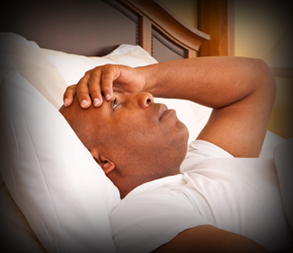
Continued sleep deprivation can lead to headaches, stomach problems, sore joints, memory lapses, and sluggish reaction time. And you face a far higher risk of falling asleep on the job or while driving (see “Microsleeps and the dangers of running on auto-pilot,” page 9). The risk of developing chronic health problems also starts to increase.
Over time, not getting enough sleep can increase your risk for a range of other physical and mental health problems, according to a 2025 review in the American Journal of Lifestyle Medicine. Researchers synthesized data from 29 review articles that looked at a variety of health outcomes in people who regularly slept less than seven hours per night. They observed consistent negative effects across four main health outcomes:
- Death from all causes. Compared to people who get average amounts of sleep, those who slept less face a higher likelihood of premature death. Sleeping less than 5 hours per night was linked to a 12% higher risk of death from any cause.
- Cardiovascular disease, including high blood pressure, coronary artery disease, and stroke. People who got insufficient sleep were between 20% and 60% more likely to have high blood pressure. The risk of heart disease increased by 11% for a decrease of one hour of sleep below the recommended range. Sleep deprivation was also linked to an 18% higher risk of ischemic stroke. A host of related risks, including high cholesterol, elevated blood sugar, increased inflammation, and obesity likely explain these trends. Getting too little sleep also appears to damage cells lining the insides of the arteries, which sets the stage for cardiovascular problems.
- Metabolic disorders, including diabetes and obesity. Sleep-deprived people were about 50% more likely to have obesity than those who got sufficient sleep. And the risk of developing diabetes was 9% higher among people with chronic sleep deprivation. As the authors note, people who don’t get enough sleep may be too weary to exercise, and those who stay up into the wee hours tend to snack on foods high in fat and sugar.
- Mental health disorders. People who are sleep deprived have higher rates of anxiety and poor emotional regulation. They also report increased impulsiveness, frustration, and difficulty controlling negative emotions.
In addition, a growing body of research suggests that sleep disturbances may increase the risk of developing dementia. A 2021 study in the journal Aging found that people who regularly slept fewer than five hours per night were twice as likely to develop dementia, and twice as likely to die, compared to those who slept six to eight hours per night. Another found that sleeping six hours or less at ages 50, 60, and 70 was associated with a 30% increase in dementia risk compared to sleeping seven hours. Experts believe that sleep helps clear the brain of amyloid, the protein thought to damage nerve cells in Alzheimer’s.
Finally, sleep deprivation has also been linked to detrimental changes in immune function, including decreases in antibody production and other cells that help fight infections. Research published in Current Biology found that people who slept less than six hours per night around the time of getting a vaccine for flu or hepatitis had a weakened antibody response.