

CoQ10: Should you take this popular supplement if you're on a statin?

Oat vs. dairy milk: Nutrition, benefits, and downsides

Microplastics: A hidden health threat?

Healing after food poisoning

What is tempeh? Benefits, nutrition, and how to use it

Light exposure at night may raise risk for heart disease

Whole grains may improve several heart risk factors at once

A lumbar belt may help ease low back pain

Children of centenarians may stay healthier and live longer too, study finds

Signs of pneumonia: Sometimes vague and unexpected
Women's Health Archive
Articles

Why you should heed a ministroke
Transient ischemic attacks, or TIAs, can signal an impending stroke, but prompt care can minimize damage.
Image: FlairImages/Thinkstock
Have you ever experienced a brief episode when your body seemed to be a little off—your vision was blurry, your speech slightly slurred, or one side of your body felt weaker than the other? If so, you may have experienced a transient ischemic attack (TIA), says Dr. Natalia Rost, a neurologist at Harvard-affiliated Massachusetts General Hospital. She notes that many women may assume they have suffered a migraine and get back to life as usual once the episode has passed. In fact, a TIA is a serious medical issue and warrants getting immediate treatment.
Immediate treatment is key
Having a TIA is usually a sign that you may have already endured a few "silent strokes"—interruptions of blood flow to the brain—and may have accumulated some brain damage as a result, Dr. Rost says. However, getting prompt attention for a TIA can significantly reduce your chance of having a major stroke and incurring greater damage.
A team of French researchers reported in April 2016 that people who received care from a stroke specialist within 24 hours of a TIA had only a 4% risk of having a major stroke within the next three months, compared with the average risk of 12% to 20%. Recent studies also show that people who got prompt treatment from stroke specialists in the hospital or clinic were much more likely to get the appropriate follow-up treatments, including aspirin, blood thinners, and blood pressure medication. "Just as getting prompt treatment for chest pain minimizes damage from a heart attack, getting help for a TIA diminishes the effects on the brain," Dr. Rost says.
Yet studies have shown that women aren't as likely as men to get brain-sparing treatments. A 2013 study indicated that gender discrimination wasn't the problem; women were less likely than men to seek help within four hours of the start of symptoms, when clot-busting therapies are most effective. Women who sought help within four hours received the same treatment as men did.
Why white matter really matters
What you should do
Dr. Rost suggests doing everything you can to minimize white-matter damage—controlling your blood pressure, cholesterol, and blood glucose are important. So is a lifestyle that includes regular exercise, a healthy diet, and not smoking. "While it's important to get help for a TIA, it's better to avoid one altogether," Dr. Rost says.

Pessary and exercise relieve symptoms for women with pelvic floor prolapse
A pessary and pelvic floor exercises can improve symptoms of pelvic floor prolapse.


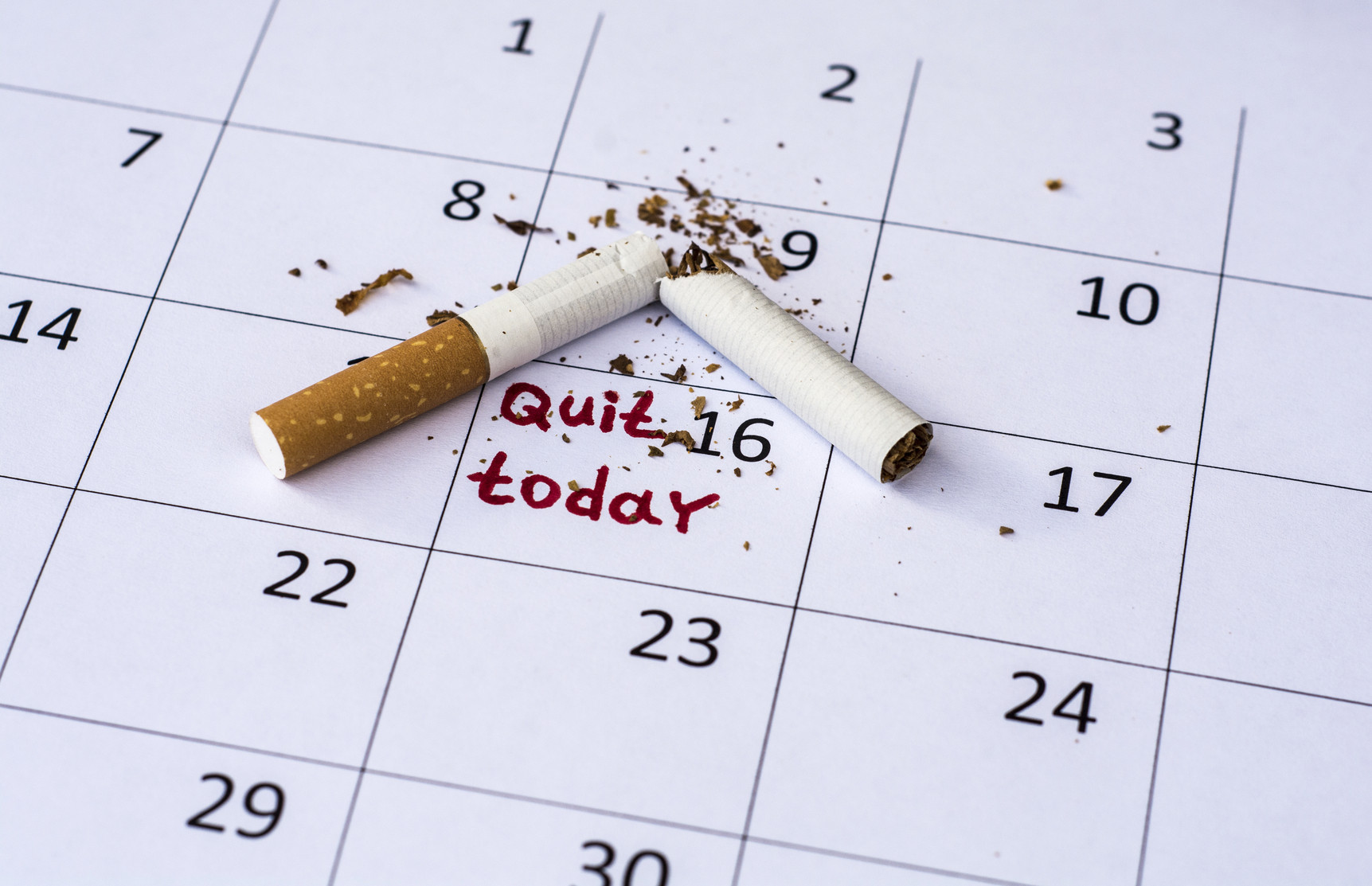
Quitting smoking during the second half of the menstrual cycle may help women kick the habit
Studies have shown that not only do women have a harder time quitting than men, but they also experience more severe health consequences from smoking. However, new research suggests that it may be easier for women to quit smoking during the second half of their menstrual cycle. During this time, the hormone progesterone is higher, and this appears to aid in quitting and avoiding relapse.

Women and sleep: 5 simple steps to a better night's rest
Sleep shortfalls can lead to a range of health problems, from being more likely to catch a cold or gain weight to increased risk of developing heart disease or diabetes.
For optimum health and function, the average adult should get seven to nine hours of sleep every night. But more than 60% of women regularly fall short of that goal.
Does taking progesterone reduce miscarriage risk?
A major controlled clinical trial indicates that taking progesterone doesn’t prevent miscarriage in women at elevated risk.

Hormones and your heart
Age-related drops in sex hormone levels sometimes cause undesirable symptoms. But is hormone therapy safe for the heart?
Image: monkeybusinessimages/Thinkstock
A decline in sex hormones is a natural part of growing older. Still, it's only natural to want to feel robust, mentally sharp, and healthy as we age. So it's no surprise that hormone therapy—which has been touted by drug companies as a way to restore youthful vigor, first for women and more recently for men—has generated so much interest.
But hormone therapy has a long, controversial history, particularly with regard to how it may affect the risk for common, chronic health problems. The following is a summary of what we know—and don't know—about the cardiovascular effects of hormone therapy for women and men.

Progesterone supplements don’t help prevent miscarriage
Miscarriages can be devastating — especially for women who experience recurrent miscarriage, defined as three or more in a row. Doctors used to give these women supplements of progesterone, a hormone that helps maintain a healthy pregnancy. However, a recent study has confirmed that these supplements don’t improve pregnancy outcomes. For those who experience recurrent miscarriage, the best solution may be to simply keep trying.
Are there any advantages to human growth hormone?
The hype around human growth hormone (HGH) comes from a few studies that showed HGH injections can increase lean body mass and shrink body fat, which led to claims of HGH as an “anti-aging” hormone. Yet, the benefits of HGH supplementation for older adults are unproven, and there are concerns about potential side effects.
CoQ10: Should you take this popular supplement if you're on a statin?
Oat vs. dairy milk: Nutrition, benefits, and downsides
Microplastics: A hidden health threat?
Healing after food poisoning
What is tempeh? Benefits, nutrition, and how to use it
Light exposure at night may raise risk for heart disease
Whole grains may improve several heart risk factors at once
A lumbar belt may help ease low back pain
Children of centenarians may stay healthier and live longer too, study finds
Signs of pneumonia: Sometimes vague and unexpected
Free Healthbeat Signup
Get the latest in health news delivered to your inbox!
Sign Up
