

Naturally gluten-free foods

Harvard study: Healthier fats linked to longer life after prostate cancer diagnosis

Shingrix shingles vaccine linked with lower heart disease risks

Estrogen-only hormone therapy tied to lower dementia risk
Should you have a hysterectomy?

Stair climbing may significantly lower cardiovascular risks

Why do I sweat so much?

Walking pneumonia: The "mild" illness that can still pack a punch

What causes knee pain: How doctors make a diagnosis
Where you carry excess weight matters in predicting heart disease risk
Women's Health Archive
Articles

Why try for a vaginal birth after a cesarean?
In the US, nearly a third of babies born arrive by cesarean delivery, and once a person has had a cesarean birth, the odds increase that any subsequent babies will be delivered the same way. Why is trying for a vaginal birth after cesarean (VBAC) helpful and how has a calculator intended to predict the likelihood of successful outcomes changed to help discourage health disparities?
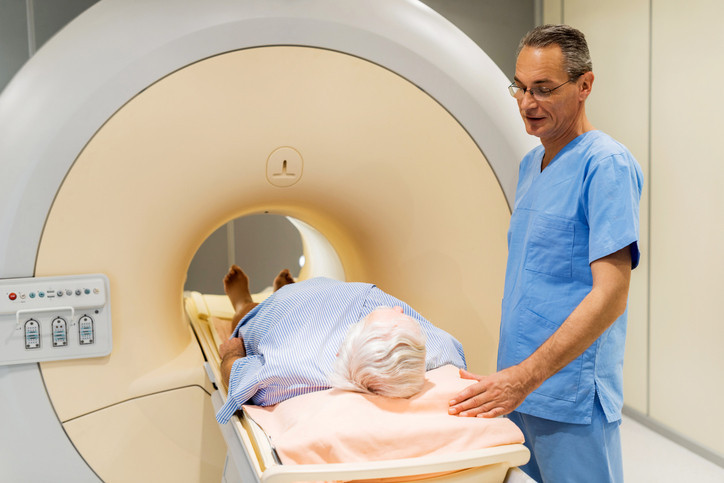
Radiation risk from medical imaging
Given the huge increase in the use of CT scans, concern about radiation exposure is warranted. Patients should try to keep track of their cumulative radiation exposure, and only have tests when necessary.



Early menopause linked to higher risk of stroke

A different nonhormonal birth control option
Last year the FDA approved a hormone-free birth control option called Phexxi. It's a contraceptive gel that changes the pH of the vagina to help immobilize sperm, rather than a spermicide. How effective is it, what are the possible side effects, and which other available birth control options could you consider?

By the way, doctor: Is vaginal estrogen safe?
My doctor prescribed a low-dose vaginal estrogen cream, applied twice a week, for atrophic vaginitis. I've heard this dose is so low that it carries no health risk. Do you agree?


Air pollution: How to reduce harm to your health
Some air pollution levels have inched up in recent years, and accumulating evidence suggests that higher levels of particulates in the air are linked with increased levels of hospitalization for many serious health problems. But we can make choices to help both the environment and our health.

Can you recommend strategies to help me manage my posterior vaginal prolapse?
Lifestyle changes, such as adding fiber to the diet and increasing water intake, can help minimize symptoms caused by a specific type of pelvic organ prolapse called rectocele, where the rectum bulges into the vagina.
Naturally gluten-free foods
Harvard study: Healthier fats linked to longer life after prostate cancer diagnosis
Shingrix shingles vaccine linked with lower heart disease risks
Estrogen-only hormone therapy tied to lower dementia risk
Should you have a hysterectomy?
Stair climbing may significantly lower cardiovascular risks
Why do I sweat so much?
Walking pneumonia: The "mild" illness that can still pack a punch
What causes knee pain: How doctors make a diagnosis
Where you carry excess weight matters in predicting heart disease risk
Free Healthbeat Signup
Get the latest in health news delivered to your inbox!
Sign Up
