
Sacroiliac joint pain: Causes, symptoms, and exercises that help

What causes knee pain: How doctors make a diagnosis

Study: At-home colorectal cancer screening may significantly cut colon cancer deaths
Where you carry excess weight matters in predicting heart disease risk

Tai chi walking: What is it and does it work?

Fatty liver disease: Should you be tested?

Weight-loss drug may lower risk of heart attacks and infections

Testosterone therapy without evidence of deficiency may boost heart risk

Even a little exercise linked with lower stroke risk in people with afib

FDA approves first mRNA-based flu vaccine
Strength training Archive
Articles

Face masks don’t affect exercise breathing
In the journals
Many people shun wearing face masks when exercising outside or in enclosed gyms because they feel uncomfortable. But another concern is that masks make breathing more difficult, and that rebreathing the higher amounts of carbon dioxide a person exhales when exercising could lead to higher levels of carbon dioxide in the blood.
However, a study published online Nov. 3, 2020, by the International Journal of Environmental Research and Public Health did not find evidence to support either of these worries. Researchers asked healthy, active people to perform cycling exercises until exhaustion on three occasions. For each workout, the exercisers wore either a surgical mask, a cloth mask, or no mask. The researchers found no significant changes in oxygen intake or carbon dioxide blood levels whether the exercisers did or did not wear a face mask. Masks also did not increase heart rates or hasten fatigue.

Bad habits come in pairs
Your partner's flawed health behaviors may be harming your heart.
It's been said that the longer couples stay together the more they look alike. As it turns out, the resemblance may be more than skin-deep. A study published online Oct. 26, 2020, by JAMA Network Open found that couples' health behavior and heart disease risk factors also look alike — for better or worse.
"We know, even from personal experience, that couples share similar behaviors that can affect health, but it was surprising to find the high levels of shared unhealthy behaviors within couples," says the study's lead author, Dov Shiffman, a senior scientific fellow at the medical testing company Quest Diagnostics.

Tai chi or yoga? 4 important differences
Here's how to determine which is best for your needs.
Tai chi and yoga have many similarities. Both are gentle, low-intensity exercises that have been practiced for hundreds of years. Both are good for your mind and body (see "Tai chi and yoga benefits"). And both have been shown to be beneficial for older adults in particular. How do you choose one over the other? Several differences can influence your choice.
Tai chi and yoga benefitsTai chi and yoga share a long list of health and wellness benefits. Both can improve your balance, flexibility, strength, mobility, mood, quality of life, range of motion, reflexes, and thinking skills. They also reduce pain and your risk of falls. How do two exercises accomplish all that? "Rather than targeting just one aspect of health — like an aspirin for a headache — yoga and tai chi movements address many health systems and work synergistically," says Peter Wayne, faculty editor of the Harvard Special Health Report An Introduction to Tai Chi. |

How does sleep affect your heart rate?
During waking hours you may feel your heart rate fluctuating, and activity or intense emotions can cause it to spike. But what happens to your heart rate when you sleep? It varies then too, depending on the phase of sleep you are in.
The no-drug approach to mild depression
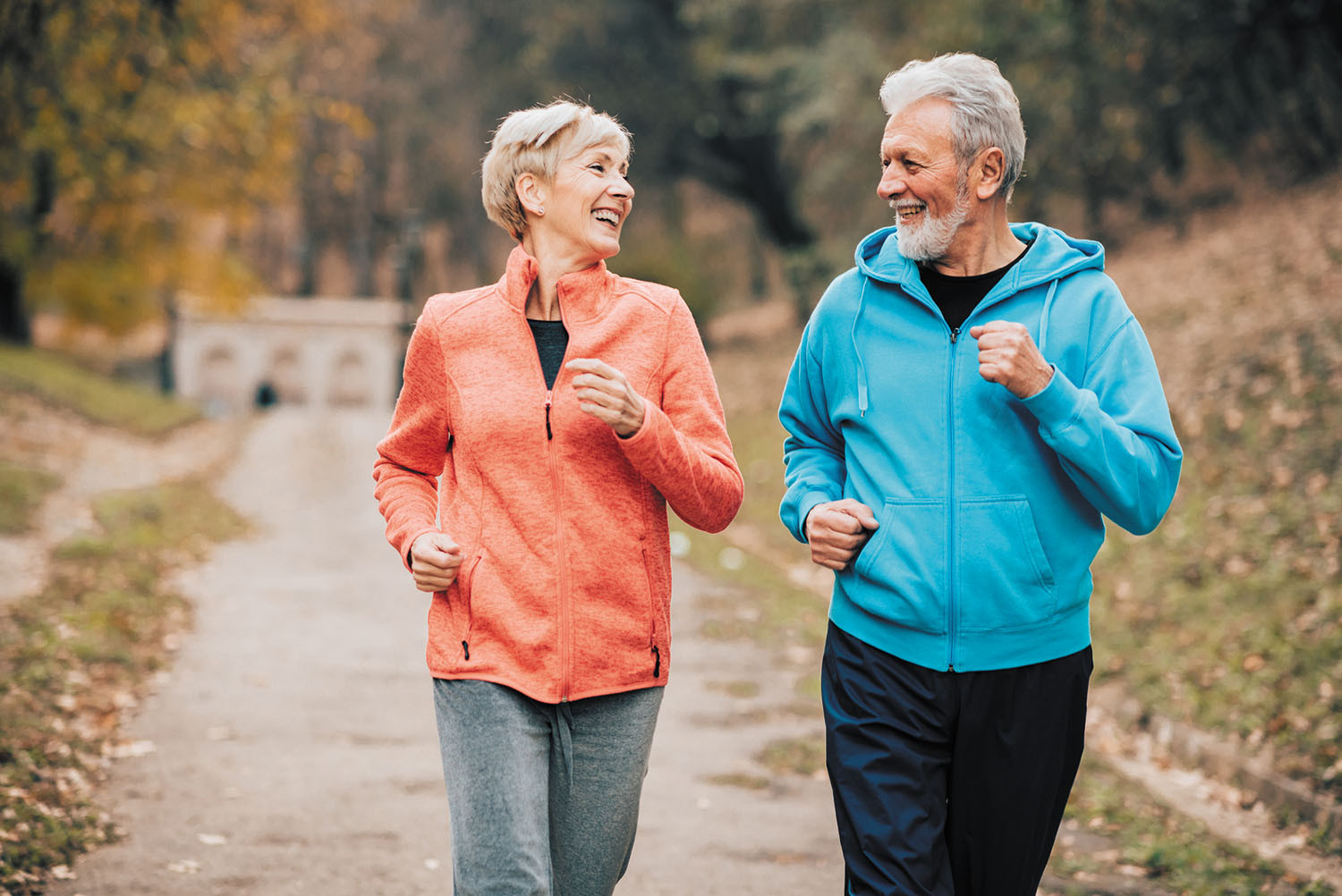
Looking for a boost or alternative to antidepressant medicines? Here are four therapies that may help relieve your symptoms.
Image: © RgStudio/Getty Images
Many people suffer bouts of mild or moderate depression as they age. Health issues and the loss of a spouse, family member, or friend are common triggers that can lead to persistent sadness and loss of enjoyment.
While antidepressants like selective serotonin reuptake inhibitors (SSRIs) can be helpful to relieve and control symptoms, they are not always the right choice.

Exercise matters to health and well-being, regardless of your size
Regardless of your size or fitness level, exercise has multiple benefits. Almost anything that gets you moving counts, and some activity is always better than none. These suggestions can help you make exercise work for you.
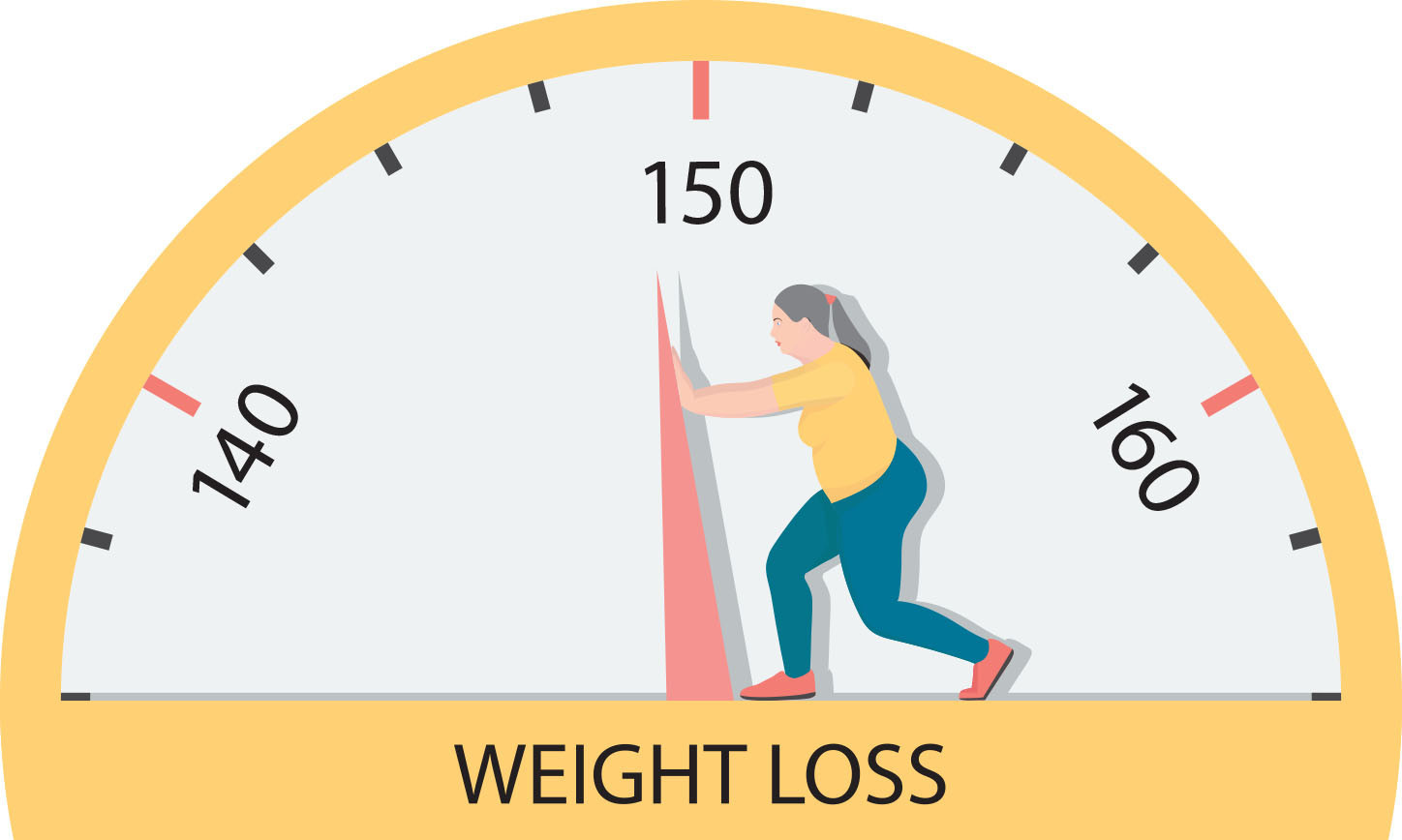
Tips to keep lost weight off in the New Year
Work with your body, not against it, for long-term weight maintenance.
For many people, their New Year's resolutions include some sort of weight-loss goal. However, while extra pounds often come off, evidence shows they rarely stay off. Among overweight or obese people who are able to lose 10% of their body weight, just one in six is able to maintain the weight loss for at least a year.
Experts say it's not surprising that weight loss rarely sticks, considering what they now know about how the body works. "Most people believe that obesity is caused by overeating, while we now recognize that the main driver of obesity is one or more disruptions in the body's normal regulation of the amount of fat we maintain," says Dr. Lee Kaplan, an associate professor of medicine at Harvard Medical School and director of the Obesity, Metabolism, and Nutrition Institute at Massachusetts General Hospital.

We’re supposed to make resolutions now?
After everything that has happened in 2020, making New Year’s resolutions might be too much to expect of many. Setting goals for the coming year seems like too much to ask right now. Is it okay to just give yourself a break this year? Or is there another way of looking at the whole situation?

The beat goes on
Learn when, how, and why you should keep track of your heartbeat.
Soon after you wake up tomorrow morning, before you even sit up in bed, take your pulse. It's fairly easy if you have a clock or timer nearby (see "Measuring your heart rate"). Known as your resting heart rate, this value ranges from 60 to 100 beats per minute in most adults.
"To get a good sense of your resting heart rate, check it every few mornings over the course of several weeks," advises cardiologist Dr. Aaron Baggish, director of the Cardiovascular Performance Program at Harvard-affiliated Massachusetts General Hospital. It's best to measure your resting heart rate when you've been getting your typical amount of sleep and exercise and aren't feeling ill or dehydrated.
Sacroiliac joint pain: Causes, symptoms, and exercises that help
What causes knee pain: How doctors make a diagnosis
Study: At-home colorectal cancer screening may significantly cut colon cancer deaths
Where you carry excess weight matters in predicting heart disease risk
Tai chi walking: What is it and does it work?
Fatty liver disease: Should you be tested?
Weight-loss drug may lower risk of heart attacks and infections
Testosterone therapy without evidence of deficiency may boost heart risk
Even a little exercise linked with lower stroke risk in people with afib
FDA approves first mRNA-based flu vaccine
Free Healthbeat Signup
Get the latest in health news delivered to your inbox!
Sign Up
