

Fatty liver disease: Should you be tested?

Weight-loss drug may lower risk of heart attacks and infections

Testosterone therapy without evidence of deficiency may boost heart risk

Even a little exercise linked with lower stroke risk in people with afib

Antihistamines may not offer meaningful relief from eczema symptoms

What to eat on the DASH diet

Tricep workouts you can do at home

FDA approves first mRNA-based flu vaccine

Migraine: How it's diagnosed and what that means

Mindfulness practices to reduce stress and improve focus
Social engagement and relationships Archive
Articles

Ask these questions when you get a new prescription
For the best results and for your safety, learn what those new pills do and how you should use them.
Image: © imtmphoto/Thinkstock
Medications play a crucial role in helping us get better or manage chronic disease. But don't sit silently when your doctor prescribes something new. Ask questions about the drug and bring unanswered questions to your pharmacist. "The doctor may not have the time to explain everything that's important, like whether to take a medicine on an empty stomach," says Joanne Doyle Petrongolo, a pharmacist at Harvard-affiliated Massachusetts General Hospital.
The next time your doctor suggests that you take a new pill, jot down answers to the following questions.

Another reason to start walking more
News briefs
Image: © Halfpoint/Thinkstock
Health guidelines advise all of us to spend at least two-and-a-half hours per week in moderate-intensity activity. For many people, that means walking, which requires no special equipment or training. But even if you can't rack up those 150 minutes, establishing a regular walking routine might extend your life, suggests a study published online Oct. 19, 2017, by the American Journal of Preventive Medicine.
Researchers looked at data on nearly 140,000 adults (average age about 70) who answered questionnaires about their exercise habits over 13 years. People who were inactive were 26% more likely to die during the study period compared with people who did some walking (up to two hours per week) as their only form of activity. And people who walked more — at least two hours per week — lowered their risk even more. The study is observational and doesn't prove that walking kept people alive longer during the study. However, we know that walking is associated with a lower risk for developing high blood pressure, high cholesterol, heart disease, cancer, and diabetes. If you don't want to walk in cold weather, try walking at a mall or an indoor track at a YMCA, or use a home treadmill.

When worry becomes a problem
Feeling afraid about life issues is common as you age, but if it takes over your life, you may have generalized anxiety disorder (GAD).
Image: © pixelheadphoto/Thinkstock
Everyone feels afraid or worried at times, but if these feelings begin to take over your life, then you may have crossed over into generalized anxiety disorder (GAD), which is the most common anxiety disorder among older adults, according to the Anxiety and Depression Association of America (ADAA).
"The issue with many older men is they often just endure the discomfort of GAD, or think it's normal, and do not talk about the problem," says Dr. David Mischoulon, director of the Depression Clinical and Research Program at -Harvard-affiliated Massachusetts General Hospital. "However, left alone to manifest, GAD may lead to serious health problems, such as high blood pressure, depression, and addictive behavior like excessive drinking."

Trouble identifying odors may be an early sign of dementia
In the journals
Image: © Purestock/Thinkstock
If you have persistent trouble detecting or identifying odors, that may be an early sign of dementia, according to a study in the Sept. 25, 2017, Journal of the American Geriatrics Society. Almost 3,000 older adults, ages 57 to 85, who did not have dementia were asked to detect and identify five common odors like peppermint, fish, orange, rose, and leather. Five years later, the researchers found that almost half of those who performed poorly on the smell test (were either unable to detect the odors or unable to identify what the smells were) had been diagnosed with dementia. In comparison, 79% of those who scored high on the smell test did not have dementia.
The results only show an association between poor sense of smell and dementia, but the researchers noted that a smell test could be a simple way to identify high-risk people. It isn't clear how sense of smell and dementia may be linked, but the researchers speculated that underlying causes of dementia, like amyloid plaque buildup and tau tangles in the brain, also may affect the olfactory (sense of smell) system.

Many prescription drug users not aware of driving-related risks
In the journals
People who take prescription drugs do not always know about side effects that could increase their risk of driving accidents, suggests a study published online Oct. 31, 2017, by the Journal of Studies on Alcohol and Drugs.
Researchers asked 7,405 drivers about their prescription drug use. Nearly 20% used medication that could affect their driving skills — for example, by causing drowsiness or impairing cognitive or motor function — yet almost all were unaware of these potential side effects. Either they did not receive or remember a warning from their doctor or pharmacist, or they did not recognize or recall a warning on the drug label.
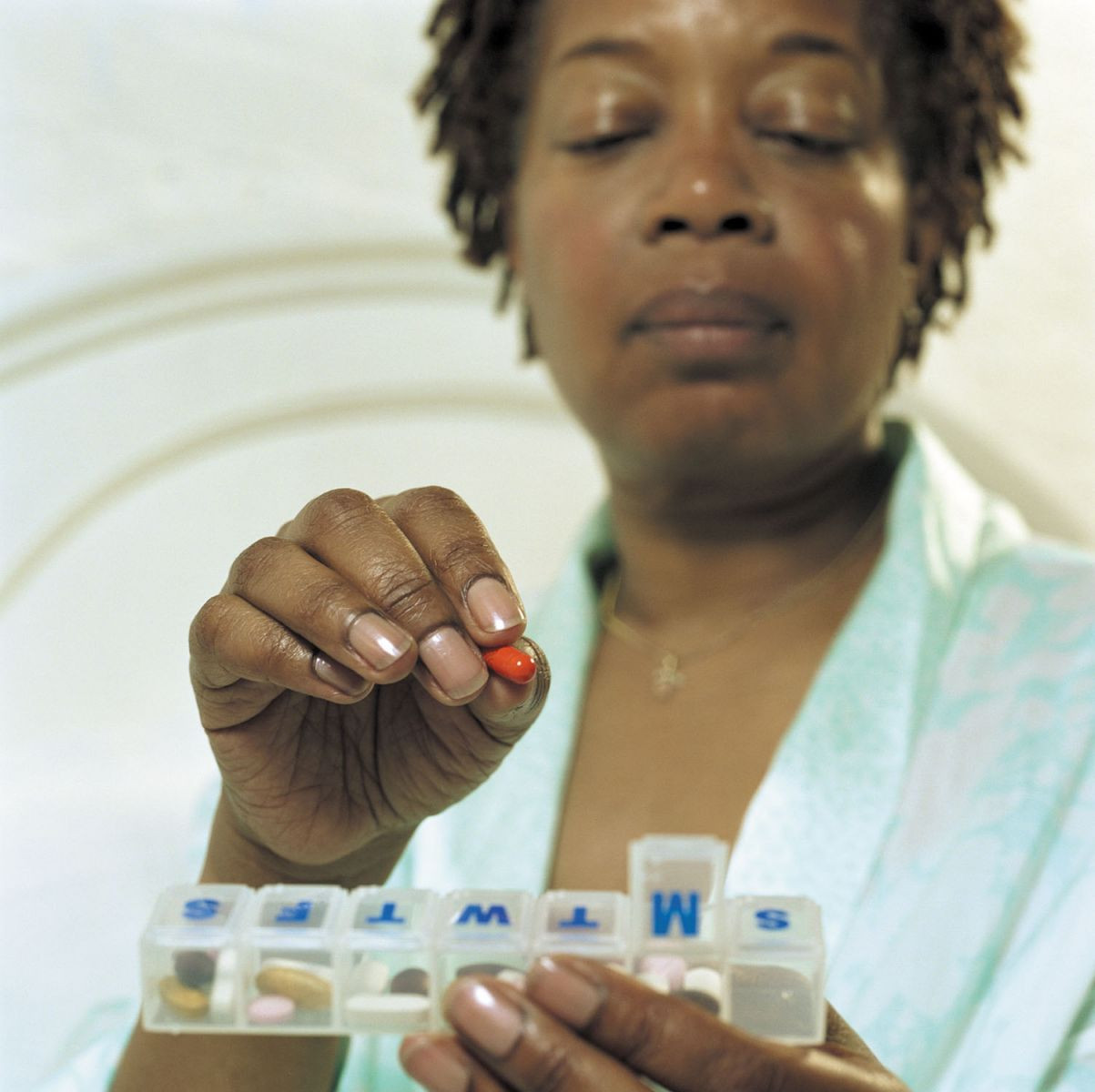
Protect yourself from medication mix-ups
Being vigilant about what you're taking can reduce your risk of a harmful drug reaction.
There's an old expression that the cure is sometimes worse than the disease. That rings true when it comes to a common problem in health care — medication errors.
Medication mix-ups and mistakes sometimes lead to harmful drug reactions, which cause about 700,000 emergency department visits and 100,000 hospital admissions each year, according to the Agency for Healthcare Research and Quality.
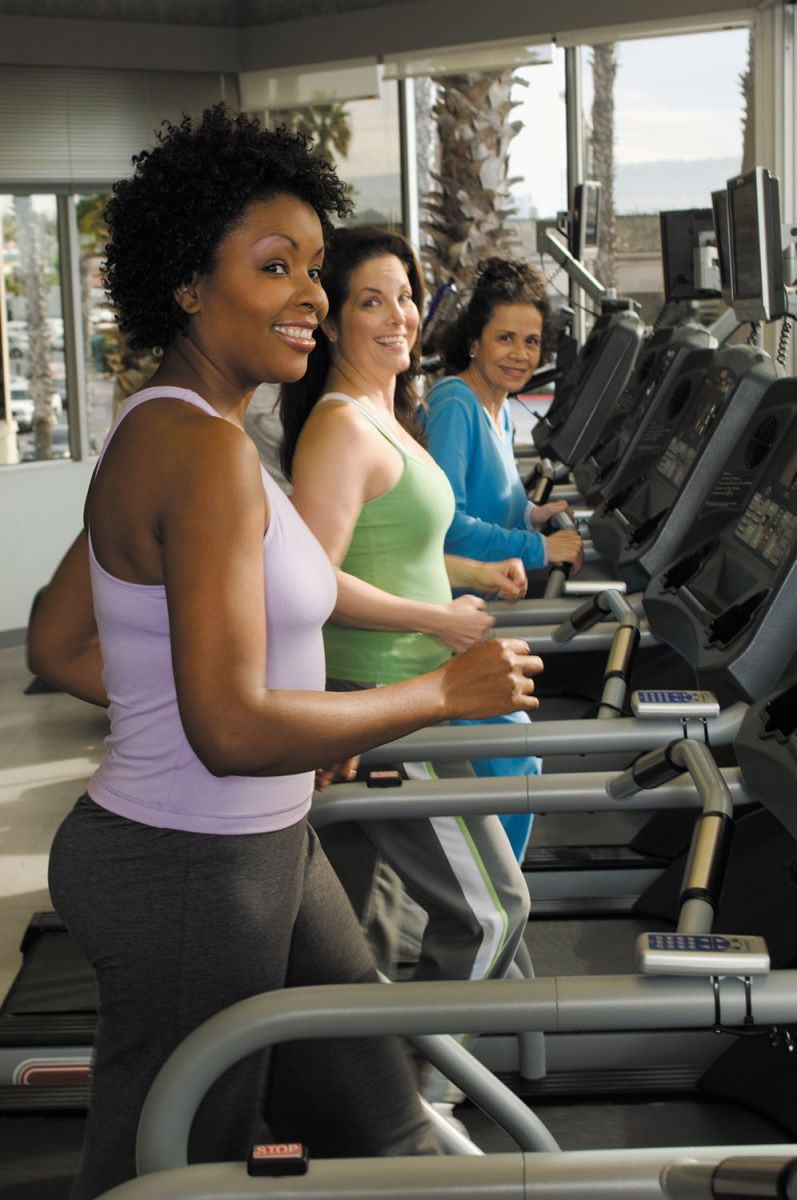
Is there an optimal time of day for exercise?
Ask the doctors
Q. What's the best time of day to exercise to get the most benefit?
A. Some people swear by morning workouts, because they squeeze them in before a busy schedule can derail their efforts. Morning exercise sessions may also help them move into their day feeling energized. But others dread the idea of dragging themselves out of bed early to hit the treadmill. Instead, they save their workout until the end of the day, when they feel more limber and can unwind.

Don’t let the cold put a freeze on your daily workout schedule
Keeping active in the winter months is crucial for wellness.
Image: © Sasha_Suzi/Thinkstock
Workouts often fall by the wayside in winter. It's cold and snowy, and if you're like a lot of women, all you want to do is curl up under a blanket with a cup of hot tea and snack on some leftover holiday cookies.
"Based on my experience with clients, it seems like people go into hibernation mode from Thanksgiving until March," says Dr. Beth Frates, assistant professor of physical medicine and rehabilitation at Harvard Medical School and director of wellness programming for the Stroke Research and Recovery Institute at Spaulding Rehabilitation Hospital.
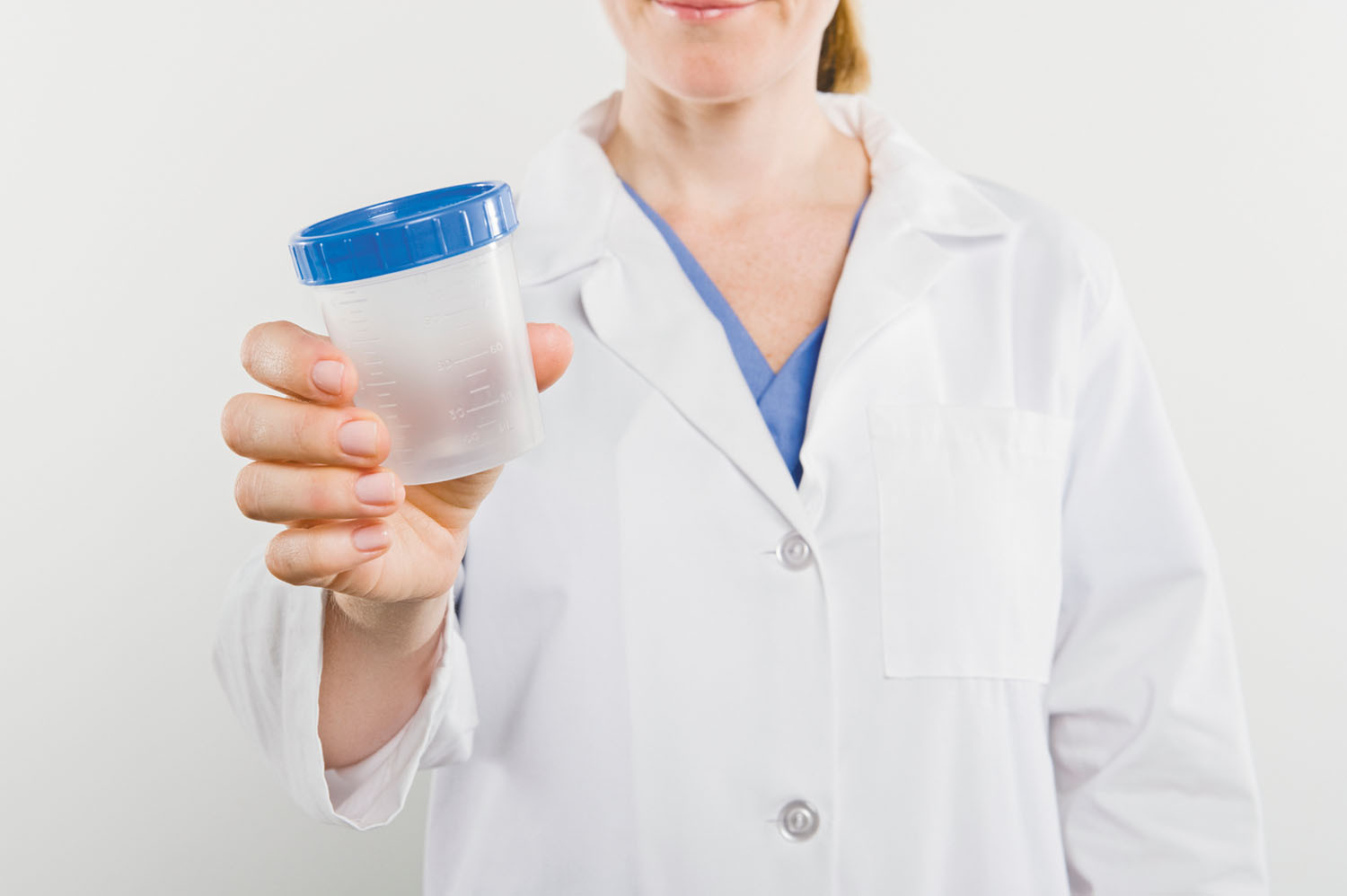
Rapid urine test could reduce unnecessary antibiotic use
Research we're watching
Image: © moodboard/Thinkstock
A new test might help doctors better treat patients with urinary tract infections, according to a study published in the Oct. 4, 2017, issue of Science Translational Medicine. These infections prompt some eight million doctor visits each year, and doctors often prescribe antibiotics to treat the condition. However, sometimes the bacteria they are attempting to treat are resistant to first-line antibiotics. The delay caused by the ineffective medication can, in some cases, cause the patient's condition to worsen and lead to complications. To eliminate this antibiotic guesswork, researchers developed a new quick-acting antimicrobial susceptibility test that not only tells the doctor within 30 minutes whether the patient has a urinary tract infection, but also what type of bacteria caused it and what drugs will best treat it. The test can also quickly identify cases where antibiotics aren't needed at all, preventing overuse of antibiotics, which can promote resistance. The same type of rapid testing, might eventually be of use in identifying the best anti-biotics for other types of bacterial infections as well.
And the winner for highest sodium content goes to…
Research we're watching
You've heard of the Grammys and the Emmys, but how about the MilliGrammys? This satirical award is given by the Center for Science in the Public Interest (CSPI) to the American restaurant foods that give you the biggest dose of sodium in one serving. On Oct. 11, 2017, the organization gave the award for Sodium Content in a Sandwich by a Chain Restaurant to Subway's Footlong Spicy Italian with Provolone and Mayo, with 3,380 milligrams (mg) of sodium, 1,080 mg more sodium than you're supposed to eat in an entire day. Most Sodium in a Single Menu Item went to P.F. Chang's Pad Thai with Shrimp (5,250 mg of sodium), and Chili's restaurant received a Lifetime Achievement Award for a trio of high-salt offerings, including the Beef Bacon Ranch Quesadilla (3,990 mg of sodium), Crispy Fiery Pepper Crispers (6,240 mg), and Texas Dry Rub Ribs (6,260 mg).
CSPI's goal is to raise awareness and get restaurants to curb high sodium levels in their food. To learn more about the awards, visit www.health.harvard.edu/mga.
Fatty liver disease: Should you be tested?
Weight-loss drug may lower risk of heart attacks and infections
Testosterone therapy without evidence of deficiency may boost heart risk
Even a little exercise linked with lower stroke risk in people with afib
Antihistamines may not offer meaningful relief from eczema symptoms
What to eat on the DASH diet
Tricep workouts you can do at home
FDA approves first mRNA-based flu vaccine
Migraine: How it's diagnosed and what that means
Mindfulness practices to reduce stress and improve focus
Free Healthbeat Signup
Get the latest in health news delivered to your inbox!
Sign Up
