

CoQ10: Should you take this popular supplement if you're on a statin?

Microplastics: A hidden health threat?

Oat vs. dairy milk: Nutrition, benefits, and downsides

What is tempeh? Benefits, nutrition, and how to use it

Healing after food poisoning

Children of centenarians may stay healthier and live longer too, study finds

Light exposure at night may raise risk for heart disease

Whole grains may improve several heart risk factors at once

A lumbar belt may help ease low back pain

Signs of pneumonia: Sometimes vague and unexpected
Sleep Archive
Articles

How does sleep support memory and learning?
From facts to skills, sleep helps the brain process what you take in during the day, and cutting it short may affect more than energy.

How can caregiving affect your health?
Caregiving can have physical and mental effects. Explore ways to cope and find support.

How can past substance use affect aging?
Past smoking, heavy drinking, and drug use can raise lasting questions about aging. Find out which factors shape future health and longevity.

What can help ease orthostatic tremor?
When clonazepam doesn’t ease the unsteadiness of orthostatic tremor, other medicines may offer options to discuss with your doctor.
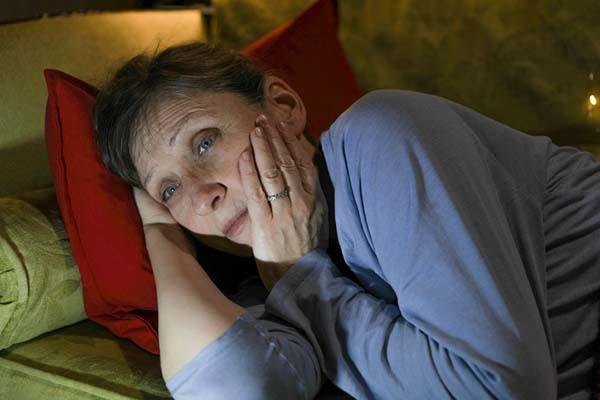
Can levothyroxine-related insomnia go away after adjusting the dose?
People on levothyroxine sometimes notice trouble sleeping, raising concerns about how long it will persist and whether dose changes could improve rest.
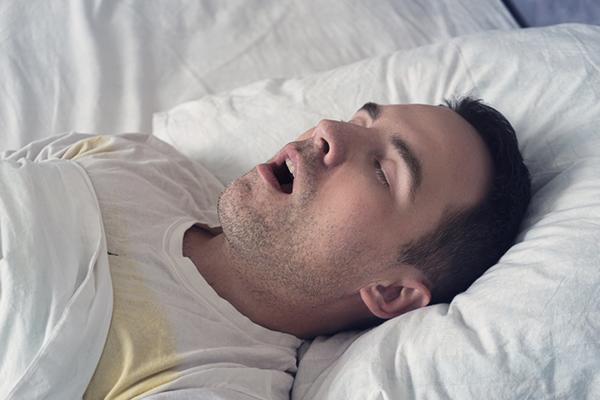
Can allergies worsen snoring?
Stuffy nose and sneezing caused by allergies can narrow airways and disrupt sleep, sometimes fueling snoring and even sleep apnea. Targeted treatment may help.
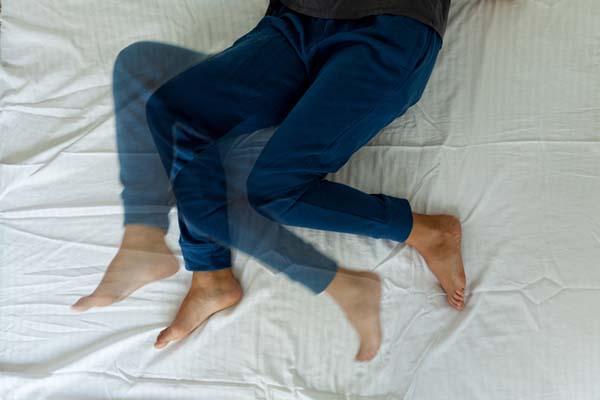
Could changing my diet ease restless legs syndrome?
Links between restless legs and iron, caffeine, and alcohol are emerging. See which dietary tweaks might be worth trying.

Why do I shrink in height as I age?
Around age 40, most people lose some height, and the decline accelerates with age. This "shrinkage" can be slowed by preventing osteoporosis and improving posture. Getting enough calcium and vitamin D can help increase bone density, and exercises for the back and abdominal muscles can help with posture.
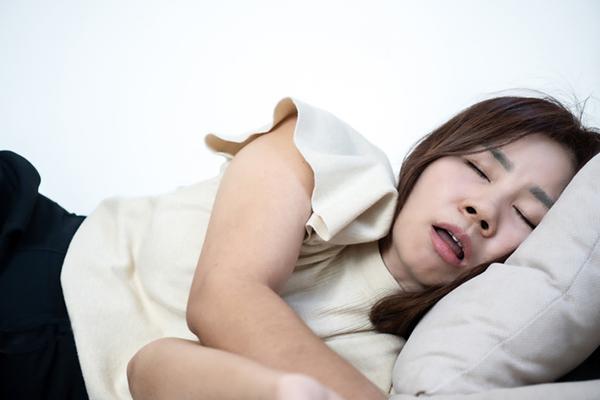
What could be causing my snoring?
Persistent snoring may point to more than noisy sleep. Learn what might be behind it and which fixes to consider.
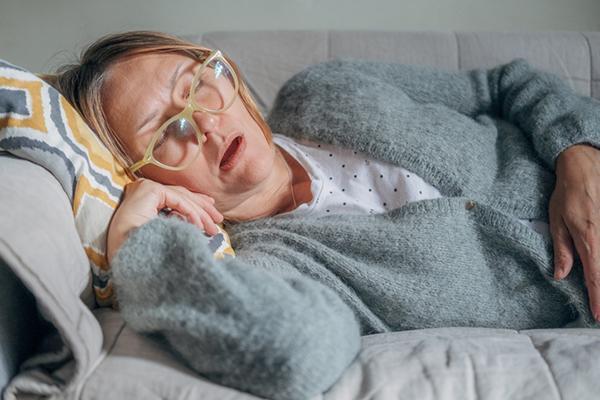
What could be causing my nighttime gasping for breath?
Sudden gasps for air at night can be alarming. Explore how allergies, blocked airways, or more serious sleep and heart problems might be involved.
CoQ10: Should you take this popular supplement if you're on a statin?
Microplastics: A hidden health threat?
Oat vs. dairy milk: Nutrition, benefits, and downsides
What is tempeh? Benefits, nutrition, and how to use it
Healing after food poisoning
Children of centenarians may stay healthier and live longer too, study finds
Light exposure at night may raise risk for heart disease
Whole grains may improve several heart risk factors at once
A lumbar belt may help ease low back pain
Signs of pneumonia: Sometimes vague and unexpected
Free Healthbeat Signup
Get the latest in health news delivered to your inbox!
Sign Up
