

Even a little exercise linked with lower stroke risk in people with afib

Testosterone therapy without evidence of deficiency may boost heart risk

Weight-loss drug may lower risk of heart attacks and infections

What to eat on the DASH diet

Migraine: How it's diagnosed and what that means

Tricep workouts you can do at home

Mindfulness practices to reduce stress and improve focus

Antihistamines may not offer meaningful relief from eczema symptoms

Overweight and taking blood pressure medications: Study finds it's a trend that's working

FDA approves first mRNA-based flu vaccine
Sleep Archive
Articles

Gum disease may signal warning for pancreatic cancer
Research has found that people with high levels of the oral bacteria Porphyromonas gingivalis had a 59% greater risk of developing pancreatic cancer. It is too early to say whether this specific bacterium directly contributes to the disease. However, one theory is that since inflammation is related to cancer, the bacteria could cause inflammation in the pancreas. Another possibility is the bacteria are simply a marker for cancer-causing inflammation.





Pace to breathe — New treatments for sleep apnea
Sleep apnea is a common condition that currently affects 26% of all Americans. When a person suffers from sleep apnea, their breathing becomes shallow or even disrupted during their sleep. This results in poor sleep and daytime sleepiness. However, a recent study showed that the use of a pacemaker on the hypoglossal nerve in the neck effectively treated people with moderate to severe sleep apnea. Although there isn’t widespread use of pacemakers to treat this sleeping disorder just yet, it may be an effective solution for people with sleep apnea.

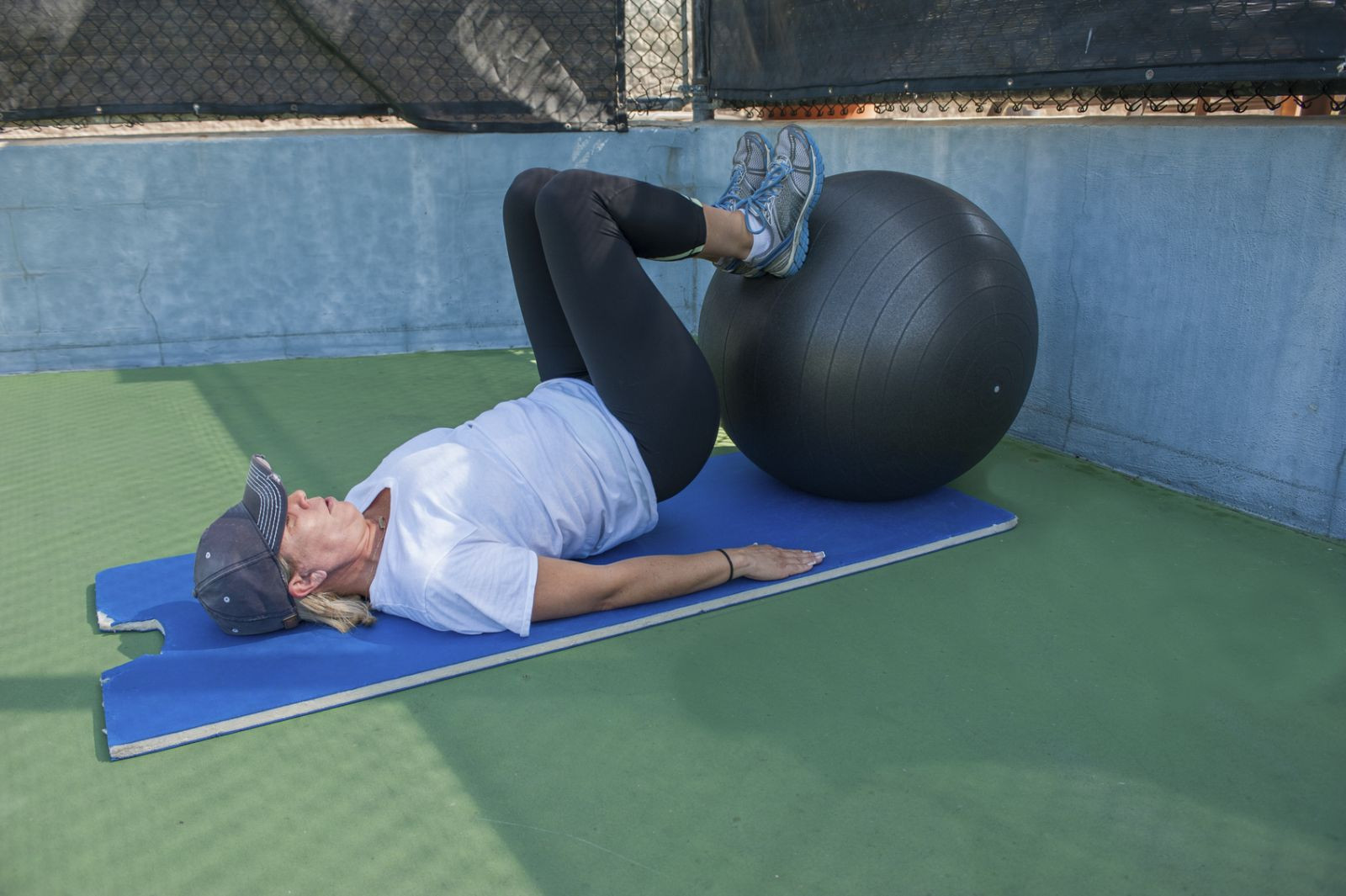
Core exercise workout: 12 tips for exercising safely and effectively
Before you start any kind of exercise regimen, think safety first. Talk to your doctor before you begin any new routine. Monitor yourself when working out to make sure you don't run into trouble and be sure you know the best way to exercise. Here are 12 tips for exercising safely and effectively.
1. Warm up. Before a full core workout, march in place for several minutes while swinging your arms, or dance to a few songs. It's safe to skip this if you've already warmed up through other activities.

Even a little exercise linked with lower stroke risk in people with afib
Testosterone therapy without evidence of deficiency may boost heart risk
Weight-loss drug may lower risk of heart attacks and infections
What to eat on the DASH diet
Migraine: How it's diagnosed and what that means
Tricep workouts you can do at home
Mindfulness practices to reduce stress and improve focus
Antihistamines may not offer meaningful relief from eczema symptoms
Overweight and taking blood pressure medications: Study finds it's a trend that's working
FDA approves first mRNA-based flu vaccine
Free Healthbeat Signup
Get the latest in health news delivered to your inbox!
Sign Up
