

Even a little exercise linked with lower stroke risk in people with afib

Testosterone therapy without evidence of deficiency may boost heart risk

Weight-loss drug may lower risk of heart attacks and infections

What to eat on the DASH diet

Migraine: How it's diagnosed and what that means

Tricep workouts you can do at home

Mindfulness practices to reduce stress and improve focus

Antihistamines may not offer meaningful relief from eczema symptoms

Overweight and taking blood pressure medications: Study finds it's a trend that's working

FDA approves first mRNA-based flu vaccine
Sleep Archive
Articles

Should you join a research study?
Like legions of earlier volunteers, you could contribute to the quest to improve care for people with heart disease.
Image: Wavebreakmedia/Thinkstock
Imagine getting a letter from a physician based at a nearby academic medical center, telling you about research under way at the institution. It says you might be eligible to participate in a clinical trial designed to test a new blood pressure drug. Or maybe it's a study on the exercise habits of people ages 65 and older.
You're curious, so you check the box indicating that you're interested in learning more and mail it back.

Weight-loss surgery: Moving into new dimensions?
Bariatric surgery can dramatically improve type 2 diabetes and other risks for heart disease.
The latest statistics on obesity suggest that this disease remains a huge problem in the United States: nearly one in three American adults meet the criteria for obesity. What's more, about one in 10 women and one in 20 men are considered extremely obese (see "Obesity in the extreme").
People with extreme obesity face a high risk of cardiovascular disease and myriad other health problems, as well as a shortened life span. Most have struggled with excess weight since childhood or early adulthood, and many have undergone multiple, frustrating attempts to shed pounds. For some, weight-loss surgery (also known as bariatric surgery) may be the best—perhaps only—option for lasting weight loss.

Fitness in midlife may fend off strokes later
People who are more physically fit in their mid-to-late 40s may be less likely to have a stroke after age 65 than those who are less fit.

Don’t fear the reaper: Eat more whole grains
People who eat at least four servings of whole-grain foods per day appear to have a 23% lower risk of dying of cardiovascular disease compared with people who eat little or no whole grains.

At-home testing for sleep apnea
Home sleep tests to diagnose obstructive sleep apnea (OSA) may reliably detect the disorder even if a sleep specialist is not involved. Marked by loud snoring and breathing lapses during sleep, OSA can increase the risk of cardiovascular disease.

Should I know my percentage of body fat?
Body fat percentage provides valuable information about your overall risk for diseases like heart disease and diabetes, but determining your body mass index and measuring your waist size offer easy the best tools for estimating total body fat.
Is it always important to get a second medical opinion?
Men should always seek out a second medical opinion anytime they are given a diagnosis of serious illness or a recommendation for surgery. Also, when seeking a second opinion, it is best to visit a different medical center to get a truly independent diagnosis, and to bring along a family member or friend to accurately record the new information.
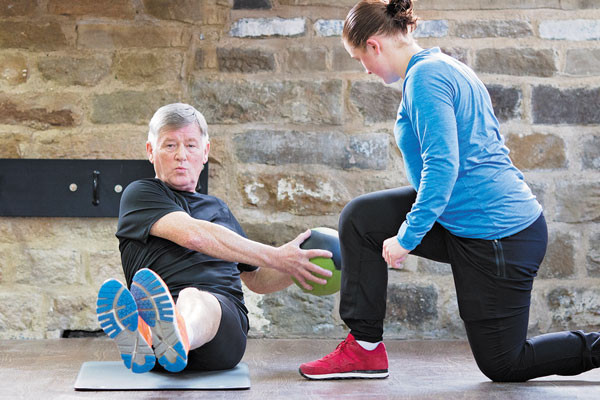
What a personal trainer can do for you
Trainers offer extra motivation to meet your fitness goals.
Image: Barryj13 /Thinkstock
You always want a good return on your investment, especially when you reach retirement age. That goes for your fitness, too. One of the best moves for a lucrative long-term payoff is to invest in a personal trainer.
"The exercises that worked when you were younger probably are not what you need now and going forward," says Vijay A. Daryanani, a certified personal trainer with Harvard-affiliated Spaulding Outpatient Center. "A personal trainer can identify your needs and formulate the proper routine as well as keep you motivated and focused, all of which can help keep you active."
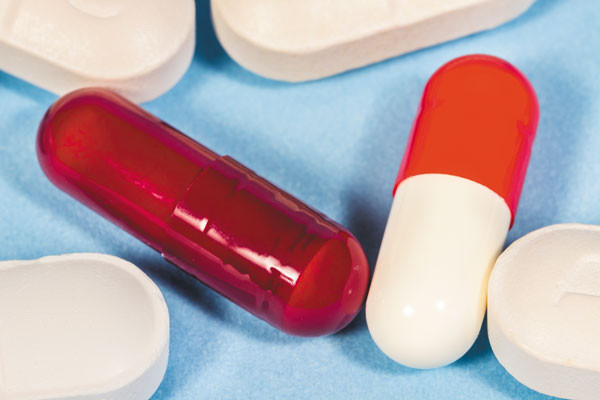
The cost of generic and name-brand drugs
More prescription medications now come in generic versions. But do you ever choose savings over quality?
Image: AlonsoAguilar /Thinkstock
Medication can be an unpredictable and costly expense. Whether it is short-term treatment or multiple drugs you take indefinitely, prescriptions can have a serious impact on your wallet.
Nowadays there are many generic versions of brand-name drugs that are often significantly less expensive. There are generic drugs to treat most common ailments, such as pain, high cholesterol, high blood pressure, diabetes, asthma, and depression.

Opioid drugs may not help with long-term low back pain
Opioid painkillers are commonly prescribed for chronic low back pain. However, a new study suggests that the drugs offer only modest, short-term relief, and should probably be used in conjunction with nondrug therapies or different drugs.
Even a little exercise linked with lower stroke risk in people with afib
Testosterone therapy without evidence of deficiency may boost heart risk
Weight-loss drug may lower risk of heart attacks and infections
What to eat on the DASH diet
Migraine: How it's diagnosed and what that means
Tricep workouts you can do at home
Mindfulness practices to reduce stress and improve focus
Antihistamines may not offer meaningful relief from eczema symptoms
Overweight and taking blood pressure medications: Study finds it's a trend that's working
FDA approves first mRNA-based flu vaccine
Free Healthbeat Signup
Get the latest in health news delivered to your inbox!
Sign Up
