

Even a little exercise linked with lower stroke risk in people with afib

Testosterone therapy without evidence of deficiency may boost heart risk

Weight-loss drug may lower risk of heart attacks and infections

What to eat on the DASH diet

Migraine: How it's diagnosed and what that means

Tricep workouts you can do at home

Mindfulness practices to reduce stress and improve focus

Antihistamines may not offer meaningful relief from eczema symptoms

Overweight and taking blood pressure medications: Study finds it's a trend that's working

FDA approves first mRNA-based flu vaccine
Sleep Archive
Articles

Cutting 300 daily calories improves several health markers
In the journals
Reducing your daily calorie intake by about 300 can improve the numbers for several health markers, according to a study published online July 11, 2019, by The Lancet Diabetes & Endocrinology.
Researchers recruited 218 adults with a body mass index of 22 to 27.9, which is in the range of normal weight and slightly overweight. For a month, half the participants ate three meals a day that reflected about a 25% reduction in their normal daily calorie intake. They also engaged in six months of group and individual counseling sessions. People in the other group continued their usual diet.

Can changing my sleep habits help with neck pain?
Ask the doctors
Q. I often wake up with a sore neck in the morning. What can I do to prevent this?
A. Poor sleep habits can cause neck pain or make it worse. Simple changes can make it less likely that you will wake up in pain in the morning.

The trouble with excess salt
Sodium doesn't affect everyone equally, but there's good reason to stick to moderate amounts in your diet.
On average, Americans eat too much salt — more than a teaspoon and a half a day. Most often it doesn't come out of a shaker, but is hidden in the foods you eat. But is it really bad for your heart to eat too much, or is that just a concern for people with certain risk factors? There's been some debate on this topic, even among members of the scientific community. We asked Nancy Cook, a professor of medicine at Harvard Medical School, for her thoughts on salt — or more precisely, sodium, a mineral that makes up 40% of salt — and how it affects your health and your heart.
Is salt really bad for your heart?
"There is a fairly undisputed effect of sodium on blood pressure," says Cook. The effect is stronger in people with high blood pressure (hypertension), a sustained blood pressure reading of 120/80 or higher. The data for an effect on cardiovascular disease are somewhat more controversial, she says, but in general, the bulk of research does seem to link lower sodium intake with both lower blood pressure and a lower risk of cardiovascular disease.
Don't give up on grains
Whole grains contain fiber and nutrients that can help your health.
It's a low-carb world, and many people are pushing grains off their plate in an effort to control their waistline. But they may be doing their body a disservice. Whole grains have some unique properties that make them a valuable addition to the diet. Not only do they contain a host of nutrients, such as iron, B vitamins, copper, zinc, and magnesium, but studies have linked diets rich in whole grains to a lower risk of colon cancer, which is a growing health threat for many younger Americans.
"The main benefit of whole cereal grains, such as wheat, oats, and barley, is in the fiber," says Teresa Fung, adjunct professor in the Department of Nutrition at the Harvard T.H. Chan School of Public Health. "Cereal fiber is different from vegetable fiber or bean fiber."

Beware of potential health risk related to supplements
Research we're watching
Do you know someone who is taking supplements in hopes of boosting their energy levels, gaining muscle, or losing weight? You may want to warn them about potential dangers. A study published online June 5, 2019, by the Journal of Adolescent Health found that products sold to boost energy, promote weight loss, or build muscle were linked to three times the number of severe medical events compared with vitamins. Researchers came to this conclusion after looking for supplement-related adverse events reported between January 2004 and April 2015 to the FDA. In total, they identified 977 cases of harm linked to supplements. Of those, 40% were severe medical events that resulted in death or hospitalization. While energy, weight loss, and muscle-building supplements appeared to be the riskiest, products sold to promote sexual function or to cleanse the colon were problematic as well. The FDA has found that some of these supplements contain dangerous substances or contaminants, such as pesticides, harmful chemicals, or heavy metals. Past studies have connected weight-loss and muscle-building supplements with serious, sometimes fatal, health problems, including liver damage, stroke, and testicular cancer.
Image: ronstik | Getty Images

Weekend catch-up sleep won’t fix the effects of sleep deprivation on your waistline
Trying to make up for not getting enough sleep during the week by sleeping longer on weekends has been found to have negative effects such as weight gain, expending less energy, and increased calorie intake during evenings.

Sleep driving and other unusual practices during sleep
The FDA has issued its most serious category of warning about three sleep medications due to reports of injuries related to their use. Aside from next-day drowsiness, these medications can cause sleep behaviors that may be dangerous.

5 tools to help you stand up on your own
Protect your independence with gadgets for your home or car.
The simple act of standing up from a sitting position is one of the most important for independence, especially in the bathroom. But the ability to get up sometimes goes south as we age. It could be because of a medical problem or just too much sitting. "When you sit and bend your knee, the gluteal muscles in the buttocks and the quadriceps in the thighs are lengthened. If you sit all the time, the muscles become overstretched and weak," says Clare Safran-Norton, clinical supervisor of rehabilitation services at Harvard-affiliated Brigham and Women's Hospital.
Exercise can help
If you're able to exercise, try strengthening the "glutes" and quadriceps regularly with exercises you can do around the house.

Are there any new vaccines?
Ask the doctor
Q. Fancy new technologies keep appearing in medicine. Are there any innovative new kinds of vaccines?
A. There sure are. Vaccines are one of the greatest inventions in history. The smallpox vaccine campaign conducted by the World Health Organization eradicated the disease from the face of the earth by 1980. How much good did that do? From 1900 to 1980, 300 million people died from smallpox. Since 1980, not one death.
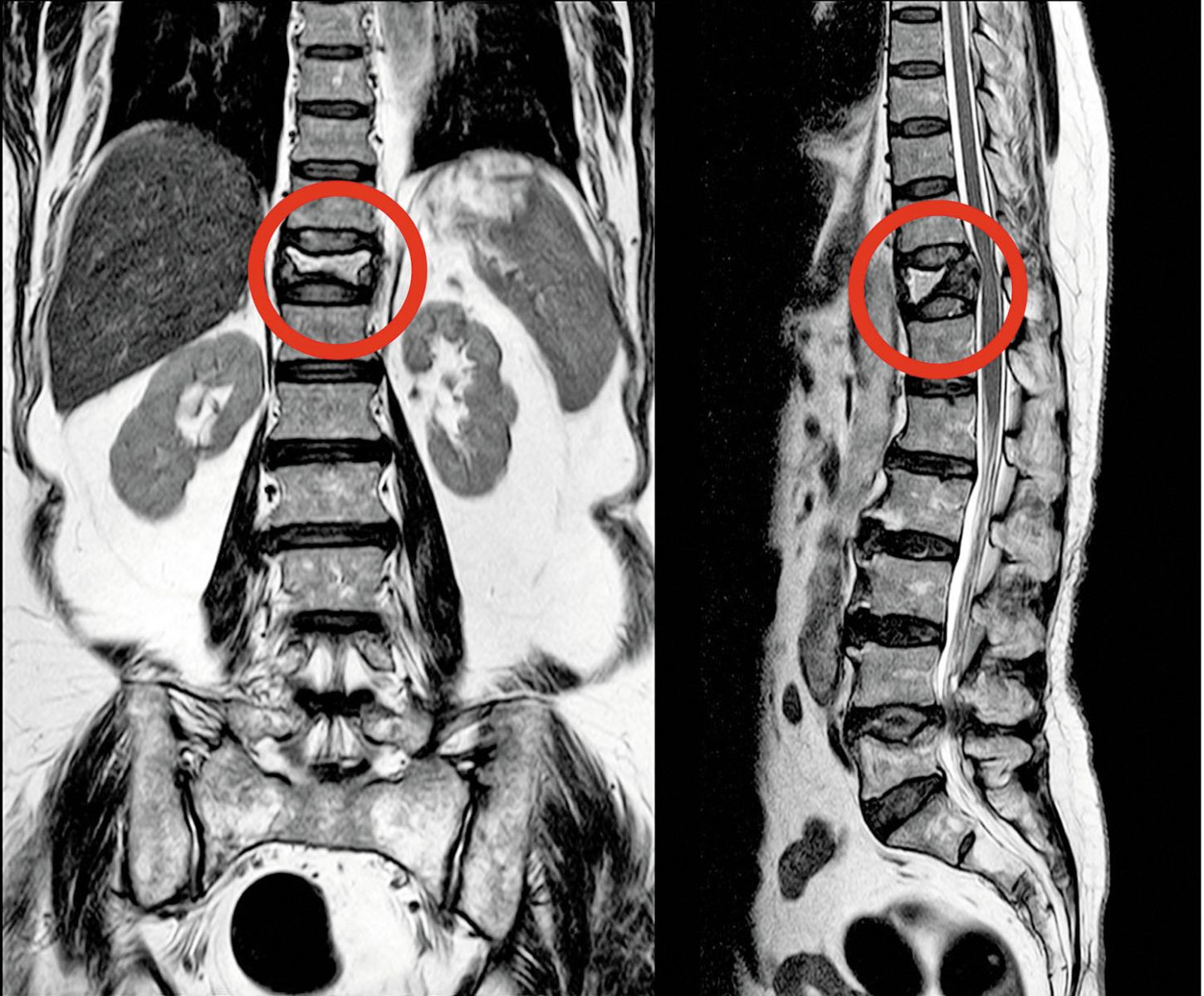
A broken back without the fall
Don't ignore back pain, height loss, or osteoporosis. They could be signs of a compression fracture.
You didn't fall, and you didn't do anything strenuous. So it may come as a surprise when the bad back pain you've been experiencing turns out to be one or more broken bones in your back. "A common story is that someone bends down to put something in the dishwasher or steps off a curb a little hard and puts additional load on their spine. The weakened bone is not adequate to take that load, and it collapses," says Dr. Julia Charles, a rheumatologist and bone cell researcher at Harvard-affiliated Brigham and Women's Hospital.
What weakens the spine?
Your spine contains about 30 bones called vertebrae, stacked on top of each other like a roll of quarters. Each vertebra consists of an external bone surface (like plaster), and an inside filled with a honeycomb of support rods called trabeculae.
Even a little exercise linked with lower stroke risk in people with afib
Testosterone therapy without evidence of deficiency may boost heart risk
Weight-loss drug may lower risk of heart attacks and infections
What to eat on the DASH diet
Migraine: How it's diagnosed and what that means
Tricep workouts you can do at home
Mindfulness practices to reduce stress and improve focus
Antihistamines may not offer meaningful relief from eczema symptoms
Overweight and taking blood pressure medications: Study finds it's a trend that's working
FDA approves first mRNA-based flu vaccine
Free Healthbeat Signup
Get the latest in health news delivered to your inbox!
Sign Up
