

Even a little exercise linked with lower stroke risk in people with afib

Testosterone therapy without evidence of deficiency may boost heart risk

Weight-loss drug may lower risk of heart attacks and infections

What to eat on the DASH diet

Migraine: How it's diagnosed and what that means

Tricep workouts you can do at home

Mindfulness practices to reduce stress and improve focus

Antihistamines may not offer meaningful relief from eczema symptoms

Overweight and taking blood pressure medications: Study finds it's a trend that's working

FDA approves first mRNA-based flu vaccine
Sleep Archive
Articles

Daily skin care in 3 simple steps
A widely-advertised facial moisturizer claims to be the best on the market — and sells for $225 per bottle. Should you buy it? Another brand offers a complete skin care regimen — but it comes in 10 different bottles of lotions and potions that all need to be applied daily. Is it worth your time?
Despite manufacturers' claims, many cosmetic products will remove more cash from your wallet than dirt and oils from your skin. You don't need an expensive or lengthy skin care routine — and the good news is, the most effective and reliable regimen is also quick and inexpensive.

Can your CPAP make you sick?
Using a CPAP machine is beneficial for people with obstructive sleep apnea, but if the machine isn’t kept clean it could lead to an illness. There are sanitizing systems available, but cleaning the parts by hand is just as effective.
PrEP prevents HIV — so why aren’t more people taking it?
PrEP (pre-exposure prophylaxis) is a daily medication taken to prevent HIV infection. While multiple studies show PrEP is effective, relatively few of those who might benefit are taking it. Will a 10-year initiative to reduce rates of HIV and a new formulation of PrEP help?


Is your lunch lacking?
Research we're watching
If the contents of your lunch bag are looking less than wholesome, you're not alone. A survey sponsored by the American Heart Association found that more than half of Americans who eat lunch at work reported that their midday meal often falls short when it comes to good nutrition. In addition, 91% of those surveyed said they would be interested in making healthier lunch choices. So, what's making people choose less healthful lunch options? Top reasons included the convenience of unhealthy foods (cited by 60% of respondents), taste (54%), and a lack of healthy food options (cited by 43%). If you're looking to improve your own lunch quality, the American Heart Association offers some tips on its website at www.heart.org/healthyforlife.
Image: portishead1/Getty Images

Inflamed sinuses: It's best to watch and wait
Antibiotics often don't help inflamed sinuses. Take steps to ease symptoms and let the problem heal itself.
The hollow spaces in your facial bones—the sinuses—are prone to infection by microorganisms of various stripes. Usually, the invader is a virus. In response, the sensitive linings of the sinuses swell up and start to pour out mucus, triggering nasal stuffiness, a runny nose, and facial pain.
Once upon a time, many sinus sufferers headed straight to their doctors to get an antibiotic. But we now know that strategy is usually a waste of time. Most cases of sinusitis are associated with viral infections, which are bulletproof to antibiotics. According to a research review by the Cochrane Collaboration, 80% of people with sinusitis improve within two weeks without taking antibiotics.
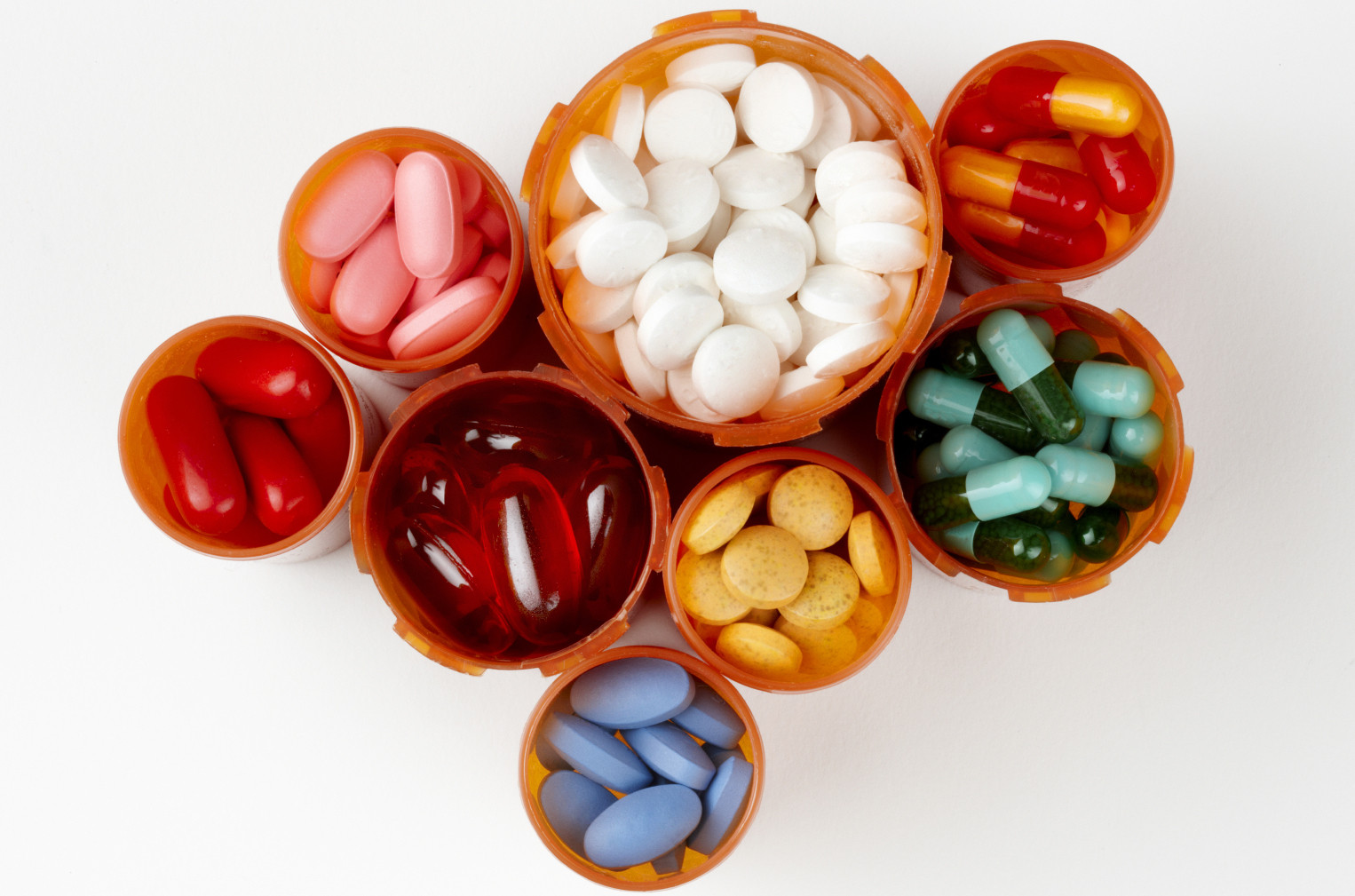
What to do when medication makes you sleepy
It may be as simple as adjusting the dose, avoiding alcohol, or taking the drug at a different time of day.
Image: iStock
One of the most commonly reported side effects of some medications is drowsiness. "Many people report tiredness or fatigue as a side effect from their medicines. However, there are things you can do to minimize the feelings of daytime sleepiness," says Laura Carr, a pharmacist at Harvard-affiliated Massachusetts General Hospital.
Typical offenders
Common culprits that cause sleepiness include antidepressants; antihistamines, found in sleep aids or medicines that treat allergies; anti-emetics, which are used to control nausea and vomiting; antipsychotics and anticonvulsants, which can be used to treat seizures or depression; drugs to treat high blood pressure, including alpha blockers and beta blockers; benzodiazepines and other sedatives, which are commonly used for anxiety or insomnia; drugs for Parkinson's disease; muscle relaxants; and opioids and other prescription pain medications. Many over-the-counter medicines may also make you drowsy, such as remedies for insomnia, allergies, nausea, vomiting, or diarrhea.
How many steps should I take each day?
Ask the doctor
Q. My smartphone tells me how many steps I take each day, but I don't know how many I should shoot for. What should my goal be?
A. You've read in these pages and elsewhere that regular physical activity reduces the risk of heart disease, type 2 diabetes, obesity, and possibly several types of cancer. Regular exercise also reduces the risk of premature death. No medicine yet invented can claim such benefits. Probably the advice you've heard most often is that moderate exercise — like a brisk walk (at about 3 mph) for 30 minutes at least five times a week — will bring all of the above health benefits.

Is your CPAP machine making you sick?
Bacteria and mold can accumulate in various parts of the device. But regular equipment cleaning reduces risks.
Continuous positive airway pressure (CPAP) can be hard to get used to. The mask may feel bulky, or it may feel strange to have air blowing in as you try to breathe. That keeps many people from using a treatment that may, in fact, be a lifesaver (see "What is CPAP?").
People also can be put off because they've heard that a dirty CPAP machine can make you sick. Is that true? "Yes, if you don't clean the machine regularly," says Dr. Lawrence Epstein, a sleep expert at Harvard-affiliated Brigham and Women's Hospital.

An older adult's guide to exercising in cold weather
The proper warm-up, equipment, and health considerations are key to maintaining an outdoor routine.
You've grabbed a hooded jacket, and you're ready for a brisk walk in the great outdoors. But is that enough to keep you safe in cooler temperatures? An outdoor exercise routine at this time of year brings unique risks and benefits. You need a little planning and preparation to keep exercising outside in the weeks or months to come.
Know the risks
Being exposed to long periods of cold weather poses numerous health risks.
Even a little exercise linked with lower stroke risk in people with afib
Testosterone therapy without evidence of deficiency may boost heart risk
Weight-loss drug may lower risk of heart attacks and infections
What to eat on the DASH diet
Migraine: How it's diagnosed and what that means
Tricep workouts you can do at home
Mindfulness practices to reduce stress and improve focus
Antihistamines may not offer meaningful relief from eczema symptoms
Overweight and taking blood pressure medications: Study finds it's a trend that's working
FDA approves first mRNA-based flu vaccine
Free Healthbeat Signup
Get the latest in health news delivered to your inbox!
Sign Up
