

Even a little exercise linked with lower stroke risk in people with afib

Testosterone therapy without evidence of deficiency may boost heart risk

Weight-loss drug may lower risk of heart attacks and infections

What to eat on the DASH diet

Migraine: How it's diagnosed and what that means

Tricep workouts you can do at home

Mindfulness practices to reduce stress and improve focus

Antihistamines may not offer meaningful relief from eczema symptoms

Overweight and taking blood pressure medications: Study finds it's a trend that's working

FDA approves first mRNA-based flu vaccine
Sleep Archive
Articles
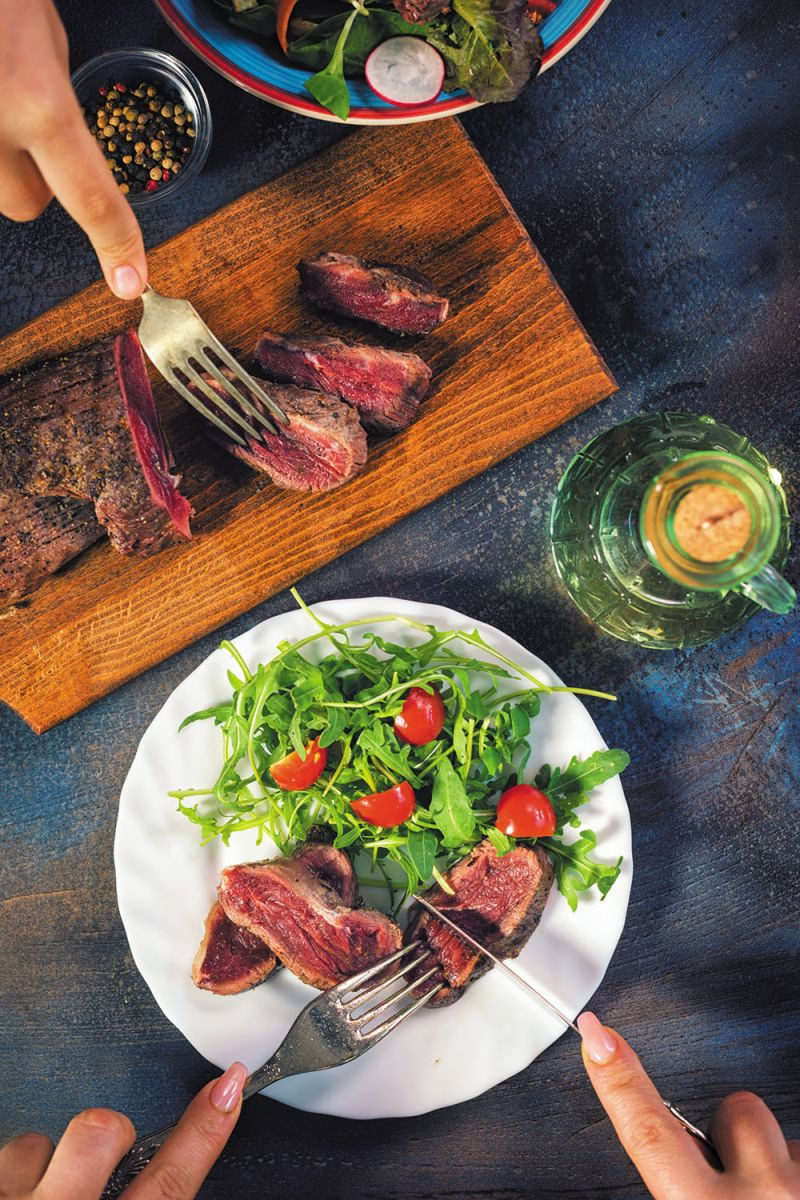
Red meat, TMAO, and your heart
A substance called trimethylamine N-oxide, which is produced when your body digests red meat, may raise the risk of cardiovascular problems.
Experts used to think that red meat raised your risk of heart disease simply because it was high in saturated fat. But today that picture has gotten more complicated thanks to the discovery of a metabolite — a substance produced during digestion and metabolism — called trimethylamine N-oxide, or TMAO.
According to a news article published June 11 in JAMA, three recent analyses have linked high blood levels of TMAO with a higher risk for both cardiovascular disease and early death from any cause. In one of those studies, researchers found that people with higher levels of TMAO in their blood may have more than twice the risk of heart attack, stroke, or other serious cardiovascular problems, compared with people who have lower levels. Other studies have found links between high TMAO levels and heart failure and chronic kidney disease.
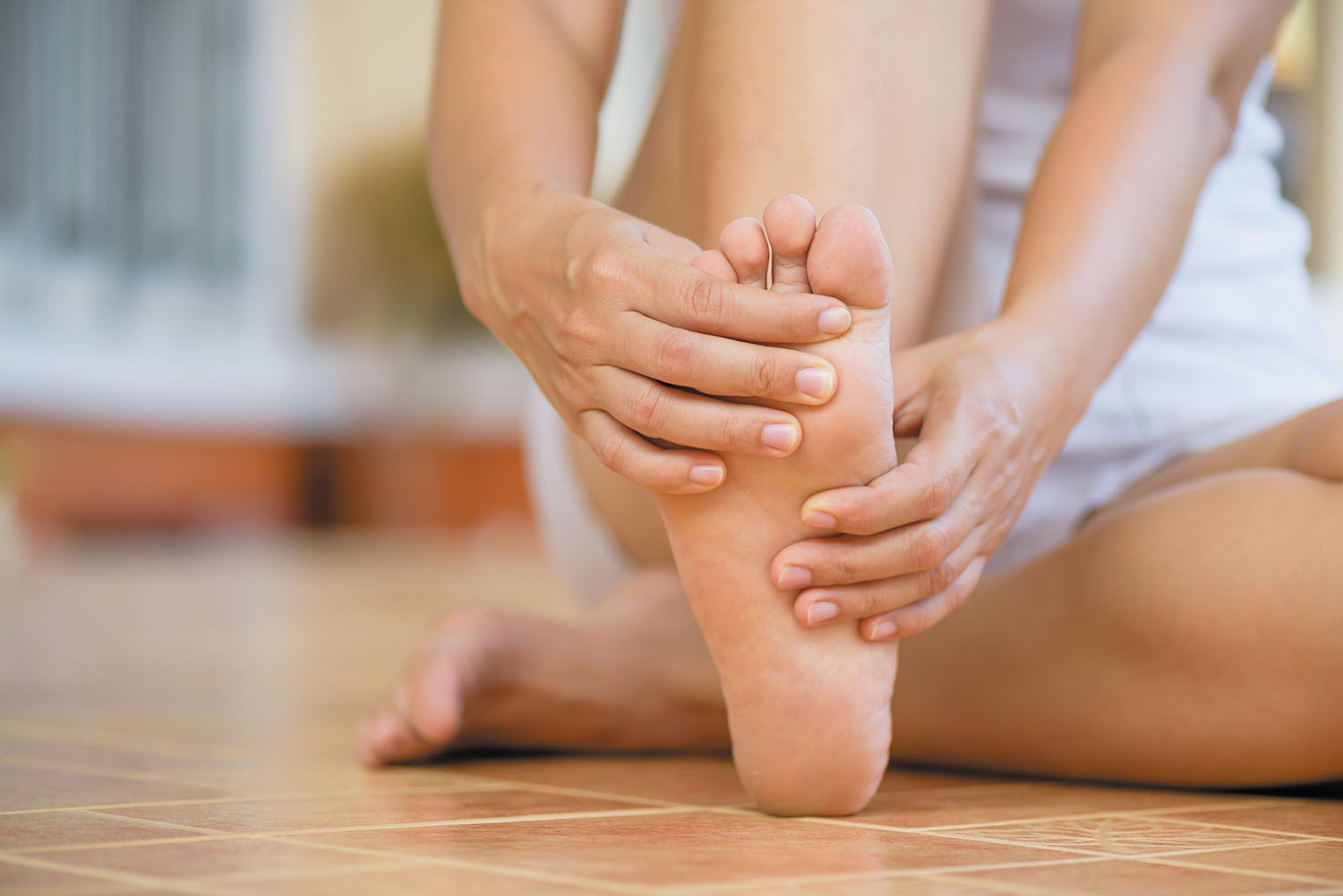
Don’t forget your feet
Women sometimes neglect their feet until they start to experience foot pain and other problems.
Most women get their teeth cleaned at least once a year, keep tabs on their heart, and may even have an annual eye exam. While they might clip and paint their toenails on a regular basis, women often neglect the health of their feet.
That lack of attention can lead to pain and other foot problems, which are common and — for some people — life-altering.
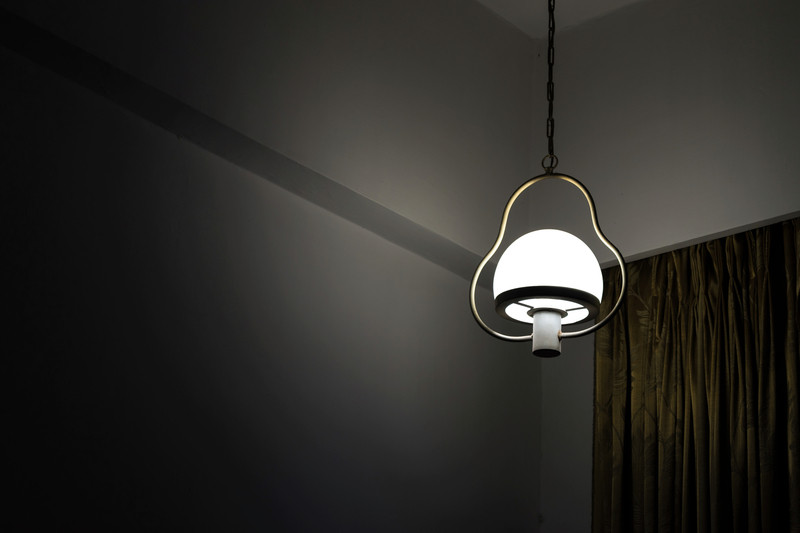
Artificial light at night may lead to weight gain
Research we're watching
If you leave lights shining or keep the television on while you sleep, it could affect your waistline, according to a study published online June 10 by JAMA Internal Medicine. The study found an association between exposure to artificial light during sleep and weight gain in women.
The research team looked at questionnaires completed by more than 40,000 women, which asked, among other things, whether the women slept with lights on nearby or in the same room. The researchers also recorded the women's height, body mass index (a measure of weight in relation to height), and waist size at the time they entered the study and then five years later. They found that women who slept with a light or television on in the room were 17% more likely to have gained 11 pounds or more during the course of the study. They did not find a similar effect when women used a small night light or had a light on outside the room that shone in. It's not clear why exposure to artificial light was linked with weight gain, but researchers speculated that it might affect sleep quality.


Talking to your doctor about your LGBTQ+ sex life
Talking about sexuality with a doctor can be uncomfortable. If you identify as LGBTQ+, it's important to find a doctor who is attuned to the specific needs of the LGBTQ+ community. This can make getting proper care easier.


Do employee wellness programs actually work?
Do employee health programs lead to healthier, more productive employees? A large study shows little or no impact, although results might vary based on workplace, offerings, and other factors.
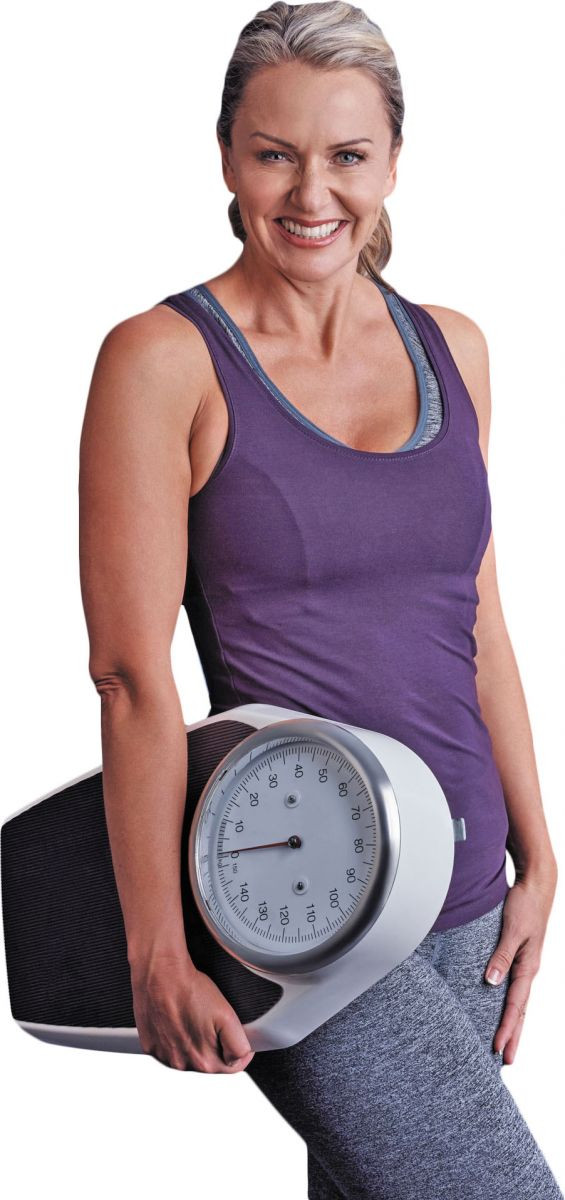
Winning the weight battle after menopause
Lifestyle changes may not always be enough to control biologically driven body changes.
You spend hours in the gym every day. You eat nothing but grilled chicken, fish, and salads. Yet the numbers on the scale don't budge — or worse, they slowly creep up, along with your waist measurement.
Welcome to menopause.
"The change" actually does bring changes for many women, including weight gain that can resist even the most diligent efforts to reverse it, says Dr. Fatima Cody Stanford, instructor in medicine at Harvard Medical School.

Aspirin before colon cancer screening doesn't boost test accuracy
Aspirin falls short in improving colon cancer test results.

How much sleep do we really need?
Ask the doctor
Q. How much sleep do we really need, and what happens if we get too little or too much?
A. We spend about a third of our lives sleeping, so you've asked an important question.
Even a little exercise linked with lower stroke risk in people with afib
Testosterone therapy without evidence of deficiency may boost heart risk
Weight-loss drug may lower risk of heart attacks and infections
What to eat on the DASH diet
Migraine: How it's diagnosed and what that means
Tricep workouts you can do at home
Mindfulness practices to reduce stress and improve focus
Antihistamines may not offer meaningful relief from eczema symptoms
Overweight and taking blood pressure medications: Study finds it's a trend that's working
FDA approves first mRNA-based flu vaccine
Free Healthbeat Signup
Get the latest in health news delivered to your inbox!
Sign Up
