

Even a little exercise linked with lower stroke risk in people with afib

Testosterone therapy without evidence of deficiency may boost heart risk

Weight-loss drug may lower risk of heart attacks and infections

What to eat on the DASH diet

Migraine: How it's diagnosed and what that means

Tricep workouts you can do at home

Mindfulness practices to reduce stress and improve focus

Antihistamines may not offer meaningful relief from eczema symptoms

Overweight and taking blood pressure medications: Study finds it's a trend that's working

FDA approves first mRNA-based flu vaccine
Sleep Archive
Articles

Why stress causes people to overeat
Stress eating can ruin your weight loss goals – the key is to find ways to relieve stress without overeating
There is much truth behind the phrase "stress eating." Stress, the hormones it unleashes, and the effects of high-fat, sugary "comfort foods" push people toward overeating. Researchers have linked weight gain to stress, and according to an American Psychological Association survey, about one-fourth of Americans rate their stress level as 8 or more on a 10-point scale.
In the short term, stress can shut down appetite. The nervous system sends messages to the adrenal glands atop the kidneys to pump out the hormone epinephrine (also known as adrenaline). Epinephrine helps trigger the body's fight-or-flight response, a revved-up physiological state that temporarily puts eating on hold.

Do gut bacteria inhibit weight loss?
Ask the doctor
Q. I just can't lose weight. A friend says that my problem might be due to the types of bacteria that live in my gut. That sounds crazy to me, but is it true, and can I do something about it?
A. Ten years ago, I also would have thought your friend was crazy. Today, I'd say she could well be right. Here's why. We've known for a century that bacteria live in our intestines, but we've assumed that they did little to affect our health. We thought that they were just mooching off of us — taking advantage of the warmth and nutrients in our gut.

Do generic drugs compromise on quality?
A new study raises questions about whether they're truly equivalent to the brand-name versions.
You've no doubt seen them in the grocery store — typically drab-looking packages on the bottom shelf containing lower-priced generic versions of popular brand-name products. Some shoppers look at them with skepticism: Are they really as good? Or does cheaper just mean lower quality?
Many people have the same questions about generic prescription medications, says Dr. Niteesh K. Choudhry, professor of medicine at Harvard Medical School and executive director of the Center for Healthcare Delivery Sciences at Brigham and Women's Hospital. Are generic drugs really the same quality, or is it better to spend more for the name-brand version?

When to expect results from a new medication
Each one can have a different timetable. Find out in advance what you should expect, and then track your symptoms.
Image: © Digital Vision/Getty Images
When your doctor prescribes a new medication, you may expect to start feeling the effects right away. But some drugs can take time to make a difference. "It depends on how quickly your body absorbs the medication, how your body distributes it, and how your body breaks down or metabolizes it," says Laura Carr, a pharmacist at Harvard-affiliated Massachusetts General Hospital.
Giving it time
Some medications start working on the first day. These include drugs that treat high blood pressure, like the beta blocker metoprolol (Toprol, Lopressor), which slows down the heart and reduces the force of its contractions; or H2 blockers such as famotidine (Pepcid) and ranitidine (Zantac), which treat heartburn by blocking the stomach's acid-secreting cells from making acid.

Is fibromyalgia real?
Ask the doctors
Q. My friend was recently diagnosed with fibromyalgia, but it seems like she might be imagining her symptoms. Is fibromyalgia a real condition?
A. The short answer to your question is yes. Fibromyalgia is a real condition that affects some four million Americans. It's a chronic pain syndrome that experts believe may be caused by a malfunctioning nervous system. Researchers using magnetic resonance imaging to examine the brains of people with fibromyalgia have found abnormalities in the part of the brain that processes pain signals from the body. It appears that this part of the brain is essentially boosting the intensity of normal pain signals, potentially causing the body to feel pain without a physical cause.
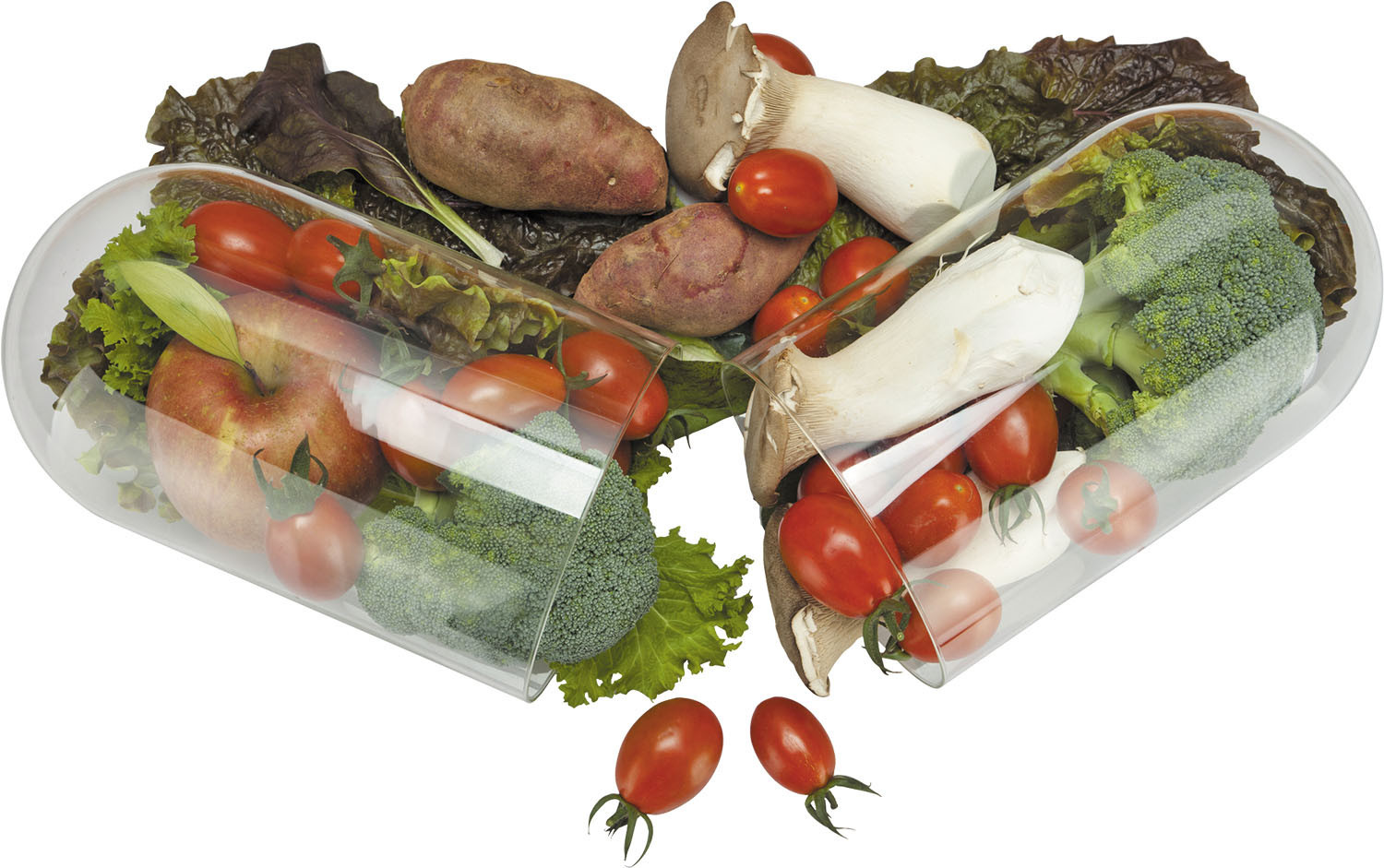
Do you need a daily supplement?
Most older adults take some kind of over-the-counter dietary supplement. But are these products right for everyone?
Image: © phototake/Getty Images
Over-the-counter dietary supplements are big business — more than 90,000 products generate about $30 billion every year in the United States. Older adults make up a big part of these sales, too. A survey of almost 3,500 adults ages 60 and older published Oct. 1, 2017, in The Journal of Nutrition found that 70% use a daily supplement (either a multivitamin or individual vitamin or mineral), 54% take one or two supplements, and 29% take four or more.
But are these pills good medicine, or a waste of money?

Take that, muscle cramps!
Here are the best ways to stop painful cramps — and prevent them from returning.
Image: © ChesiireCat/Getty Images
A muscle cramp always feels like a surprise. The involuntary contraction strikes without warning, whether it's a charley horse in the middle of night or a back spasm as you reach for an everyday object. But don't let that cramp throw you for a loop. "When it suddenly strikes, don't exercise or tighten the muscle. Just gently stretch it to your tolerance. That helps to relax the muscle and relieve the uncontrolled contraction," says Madhuri Kale, a physical therapist at Harvard-affiliated Brigham and Women's Hospital.
What causes cramps?
Exercising without properly warming up the muscles can lead to cramps. Cramps also occur when a muscle is not able to relax properly (such as from a deficiency of magnesium or potassium in your diet) or when it becomes irritated by a buildup of lactic acid (which can happen if you don't rest your muscle after it has exercised a lot). Dehydration can worsen both of these problems. Kale says older adults often don't drink enough water at night because they want to avoid having to go the bathroom, and they end up dehydrated.

What type of mattress is best for people with low back pain?
Back pain is one of the top reasons that people begin to lose mobility in middle age. Pain can keep people from engaging in physical activity, making it more difficult for them to maintain a healthy weight and keep up their strength, stamina, and balance as they age. So treating and managing back pain that results from injuries or health problems is crucial for staying on the path of a healthy and active life.
Considering that most people spend roughly a third of their lives lying in bed, choosing the right mattress is essential for managing low back pain. It can make the difference in whether you can sleep at night and function the next day.

5 truths about protecting your eyes
Of your five senses, which one are you most afraid of losing? If you're like most people, your answer is your ability to see. Because our eyesight is so precious, it's no wonder that myths abound about your eye health, what can damage our eyes — , and what can protect them. Here, we debunk five common myths — and tell you how to truly keep your eyes healthy.
Myth: Doing eye exercises will delay the need for glasses.
Fact: Eye exercises will not improve or preserve vision, help your eye health, or reduce the need for glasses. Your vision depends on many factors, including the shape of your eyeball and the health of the eye tissues, neither of which can be significantly altered with eye exercises.

Does apple cider vinegar have any proven health benefits?
On call
Q. I have heard a lot about how apple cider vinegar can help improve one's health. Is there anything to this?
A. As with so many dietary fads, apple cider vinegar has seen its share of health claims with little medical evidence to support them. The studies exploring its health benefits have focused on reductions in blood sugar levels and weight loss, but these have been small, short-term trials or animal studies.
Even a little exercise linked with lower stroke risk in people with afib
Testosterone therapy without evidence of deficiency may boost heart risk
Weight-loss drug may lower risk of heart attacks and infections
What to eat on the DASH diet
Migraine: How it's diagnosed and what that means
Tricep workouts you can do at home
Mindfulness practices to reduce stress and improve focus
Antihistamines may not offer meaningful relief from eczema symptoms
Overweight and taking blood pressure medications: Study finds it's a trend that's working
FDA approves first mRNA-based flu vaccine
Free Healthbeat Signup
Get the latest in health news delivered to your inbox!
Sign Up
