

Even a little exercise linked with lower stroke risk in people with afib

Testosterone therapy without evidence of deficiency may boost heart risk

Weight-loss drug may lower risk of heart attacks and infections

What to eat on the DASH diet

Migraine: How it's diagnosed and what that means

Tricep workouts you can do at home

Mindfulness practices to reduce stress and improve focus

Antihistamines may not offer meaningful relief from eczema symptoms

Overweight and taking blood pressure medications: Study finds it's a trend that's working

FDA approves first mRNA-based flu vaccine
Sleep Archive
Articles
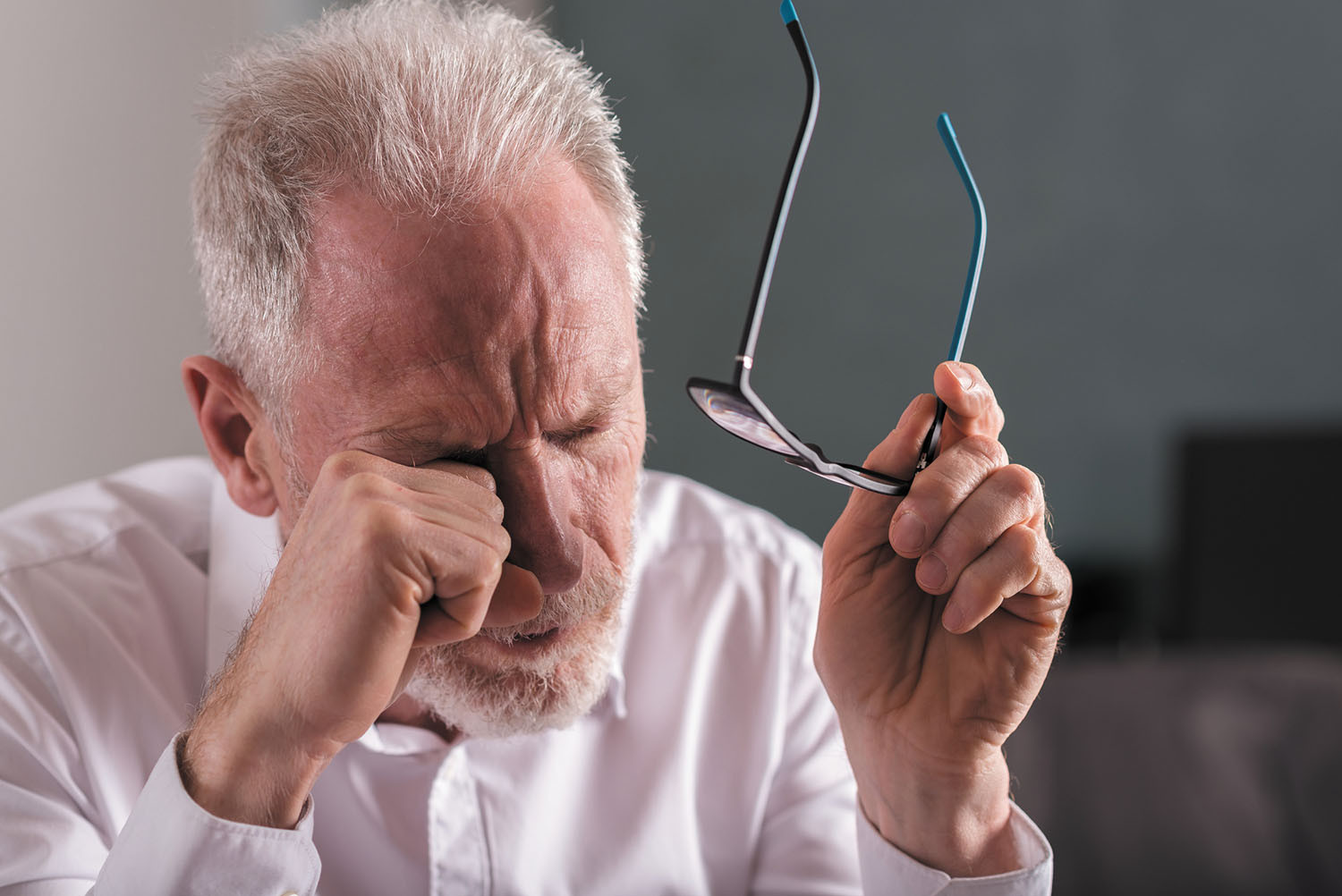
When should you worry about fatigue?
On call
Image: © thodonal/Getty Images
Q. I have been quite fatigued over the past two weeks. How long should I wait before seeing a doctor?
A. We all go through periods of low energy. Even a week of feeling more tired than usual is not uncommon.

4 ways to get better sleep
People with insomnia struggle to get a good night's rest and wonder how to sleep better They may be plagued by trouble falling asleep, unwelcome awakenings during the night, or fitful sleep - alone or in combination. They may feel drowsy during the day and yet be unable to nap. Insomnia can leave a person feeling anxious and irritable or forgetful and unable to concentrate.
Finding an effective solution requires uncovering the cause. Nearly half of insomnia cases stem from psychological or emotional issues. Stressful events, mild depression, or an anxiety disorder can make falling asleep and staying asleep difficult. Ideally, once the underlying cause is treated, the insomnia improves.

5 weight training tips for people with arthritis
Strength training is good for just about everyone. It's especially beneficial for people with arthritis. When properly done as part of a larger exercise program, strength training helps them support and protect joints, not to mention ease pain, stiffness, and possibly swelling. Yet, the thought of starting a weight training program can be daunting to many arthritis sufferers.
If you have arthritis and want to incorporate strength training into your health routine, these tips can help you get started.

A strong core: The simple, flexible, and portable workout
Strengthening your core muscles doesn't have to be overwhelming. You can do these simple exercises anywhere and adapt them as you gain fitness.
The office workout
The following routine is a great way to ease into core work. You can do these four exercises at work, without your colleagues being any the wiser. You can do these exercises at home, too, thanks to simple variations. The front plank, for example, can be done while either leaning on your desk or using the kitchen counter to support your weight.

Questions to ask before getting a hip replacement
Bring this article to your doctor appointment.
You've run out of options for hip pain and you're facing a possible hip replacement (see "Anatomy of a hip replacement"). Once your doctor has determined that you're a good candidate for surgery — based on your medical history, images of your hip, steps you've taken to reduce pain (such as weight loss and low-impact exercise programs), and how pain has affected your daily function — you'll need to ask lots of questions.
"This is not a time to be shy. Be aggressive and get answers. The doctor expects that," says Dr. Scott Martin, an associate professor of orthopedic surgery at Harvard Medical School and medical editor of the Harvard Medical School Guide Total Hip Replacement.

12 minutes of exercise might lower risks for heart disease and diabetes
News briefs
Ever wonder how much exercise time it takes to start reducing your risk for heart disease and diabetes? It could be as little as 12 minutes, according to a Harvard study published Nov. 17, 2020, in Circulation. Scientists analyzed blood from more than 400 middle-aged men and women before and just after they'd pedaled for 12 minutes on cycling machines, reaching a vigorous rate. In particular, scientists measured levels of almost 600 natural body chemicals (metabolites). Exercise produced significant changes in most metabolites. For example, the level of one metabolite linked to heart disease and diabetes fell by 29%. Another metabolite tied to diabetes risk and liver disease fell by 18%. That suggests, but doesn't prove, that 12 minutes of daily exercise (that includes vigorous activity) might reduce the risk of heart disease and diabetes. What if you're more of a moderate-intensity exerciser? "We don't know yet if moderate-intensity exercise would have a similar effect on metabolites. But study participants started off with very light exercise, and each minute the intensity increased," says Dr. Gregory Lewis, the study's senior author and a cardiologist at Harvard-affiliated Massachusetts General Hospital.
Image: © artvea/Getty Images

Try this move for better core strength
Strengthening your core using plank exercises can help ease back pain. The plank position is essentially the high part of a push-up. People who can't hold this position can try a modified version by bending their knees and resting them on the ground. Build strength by practicing holding a plank for as long as you can, and then progressively working to hold it for longer each time.

Can you supercharge the Mediterranean diet?
News briefs
A Mediterranean-style diet is rich in vegetables, legumes, fruits, whole grains, nuts, seeds, poultry, fish, and olive oil, and it's associated with lower risks for heart disease and diabetes. And a "greener" version of the eating style might be even more effective, according to a small, randomized study published online Nov. 23, 2020, by the journal Heart. Researchers — some from Harvard — recruited about 300 sedentary, middle-aged people (mostly men) with high cholesterol or abdominal obesity and divided them into three groups. One received guidance for exercise and a healthy diet; another received exercise guidance and was assigned to eat a calorie-restricted Mediterranean diet; and one group received exercise guidance and was assigned to eat a "greener" calorie-restricted Mediterranean diet with less animal-based and more plant-based proteins (including walnuts and a type of duckweed — an aquatic plant), plus lots of green tea. After six months, people on the "green" diet had lost more weight and inches around their middles, and had bigger drops in cholesterol, than people in the other two groups. "Green" dieters also had steeper declines in insulin resistance, inflammation markers, and diastolic blood pressure (the lower number in the measurement), compared with the other two groups.
Image: © Lilechka75/Getty Images

Sleeping too much or not enough may raise the risk of cognitive decline
Research we're watching
People who sleep too much or too little may be at higher risk for cognitive decline, according to a study published Sept. 21, 2020, by JAMA Network Open. Researchers looked at self-reported sleep duration from 20,065 people in two large studies, one in the United Kingdom and one in China. The participants from the United Kingdom were ages 50 and older and those living in China were 45 and older and were followed by researchers for up to 15 years. Researchers asked participants questions about their sleep patterns and performed a cognitive assessment. The process was repeated at two year intervals during the various study periods. Researchers found that people who slept too little (four or fewer hours a night) or too much (10 or more hours a night) were more likely than more typical sleepers to experience cognitive decline.
Image: SelectStock/Getty Images

Music to your health
The soothing and motivational sounds of music have far-reaching health benefits.
A favorite musical tune can stir up positive memories, boost your mood, and create a soothing, relaxing setting. But used in specific ways, music also is a valuable tool for supporting your health.
"Whether you need to relax, increase your energy, improve your thinking, or just get motivated for the day, music can provide extra support when you need it the most," says Marisabelle Diaz-Falcon, a music therapist with Harvard-affiliated Massachusetts General Hospital.
Even a little exercise linked with lower stroke risk in people with afib
Testosterone therapy without evidence of deficiency may boost heart risk
Weight-loss drug may lower risk of heart attacks and infections
What to eat on the DASH diet
Migraine: How it's diagnosed and what that means
Tricep workouts you can do at home
Mindfulness practices to reduce stress and improve focus
Antihistamines may not offer meaningful relief from eczema symptoms
Overweight and taking blood pressure medications: Study finds it's a trend that's working
FDA approves first mRNA-based flu vaccine
Free Healthbeat Signup
Get the latest in health news delivered to your inbox!
Sign Up
