

Even a little exercise linked with lower stroke risk in people with afib

Testosterone therapy without evidence of deficiency may boost heart risk

Weight-loss drug may lower risk of heart attacks and infections

What to eat on the DASH diet

Migraine: How it's diagnosed and what that means

Tricep workouts you can do at home

Mindfulness practices to reduce stress and improve focus

Antihistamines may not offer meaningful relief from eczema symptoms

Overweight and taking blood pressure medications: Study finds it's a trend that's working

FDA approves first mRNA-based flu vaccine
Sleep Archive
Articles

How long should I wait after the flu before resuming exercise?
On call
Q. I have just recovered from the flu. How soon can I resume exercise again and can I go straight back to my previous routine?
A. The recommendations about when to return to exercise after respiratory infections, such as the flu, colds, or bronchitis, are vague. One major reason is that each person's response to illness is so variable. But here is my general advice.

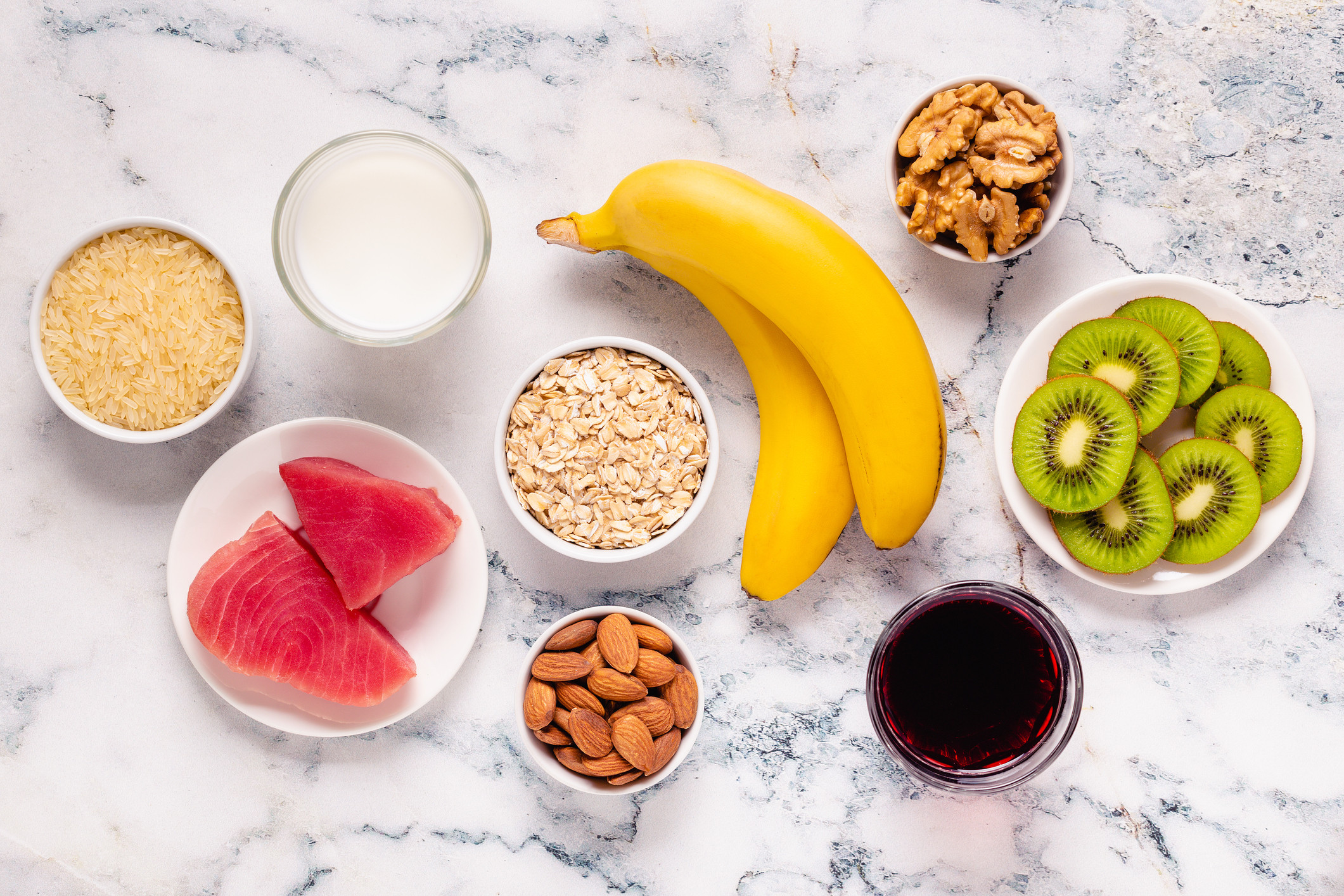
Could what we eat improve our sleep?
Diet, exercise, and sleep work together, and all three can have an effect on our daily well-being and longevity. Sleep impacts our eating patterns, and our eating patterns affect our sleep: lack of quality sleep may make people eat more, and make less healthy food choices, but certain foods contain substances that may enhance sleep.
Ten churnings
The yoga routine "ten churnings" can be done on its own to help you get moving in the morning or to counteract stiffness after sitting for too long. In about six minutes, the routine can loosen up your joints and serve as a warm-up to a longer exercise session. To learn additional intermediate yoga exercises, visit: www.health.harvard.edu/iy

Beyond fractures: The fall injuries you don’t always hear about
Falls can lead to pneumonia, brain injuries, or muscle breakdown. Learn the risks so you can avoid them.
It's easy to see why falls are a top cause of injury and death among older adults. Crashing to the ground with force obviously can break a bone, or worse. But are you familiar with that "worse" part? Learn about fall risks now, so you can do as much as possible to avoid injuries in the future and maintain your mobility and independence.
Fractures
In older adults, about 90% of broken bones (fractures) happen because of a fall. Breaks commonly occur in the ribs, spine, wrist, arm, ankle, or hip.

What are mRNA vaccines?
Ask the doctor
Q. What are mRNA vaccines, and could they prevent other diseases besides infections?
A. The very first vaccines approved in the United States to prevent COVID-19 are a new type: mRNA vaccines. The way any type of vaccine works is to train a person's immune system to recognize and attack a target, like a virus, when it enters the body. A vaccine does that by "showing" the immune system either a harmless (dead or weakened) virus or a critical piece of the virus' protein coat. With the COVID-19 virus, that critical piece is called the spike protein.

Caregiving during the pandemic
Here's what to ask when email and phone calls are the main way to help loved ones in a long-term care facility.
Managing a loved one's care in a nursing home or an assisted living facility has always been challenging. And it's harder now that visitation is extremely limited to protect residents from COVID-19. So how can you check on your loved ones, make sure they're being cared for properly, and let them know you're there for them?
Direct communication
If your loved one is able to communicate well, a daily phone or video call is crucial. But remember that when you ask basic questions — "How are you feeling?" "Are you eating and drinking enough?" "Are you getting enough sleep?" — you may not get an honest answer. "They may just tell you what you want to hear," says Dr. Suzanne Salamon, associate chief of gerontology at Harvard-affiliated Beth Israel Deaconess Medical Center.

Resistance training by the numbers
How much weight, how many reps and sets, and how often? Here's what new guidelines suggest.
Old-fashioned resistance training — lifting heavy weights multiple times — is the best way for men to slow and even reverse age-related muscle loss, known as sarcopenia. It can also increase your strength, protect against falls, and help you live a more independent life.
Resistance training (also known as strength training) consists of doing upper- and lower-body exercises using free weights (like dumbbells, kettlebells, or barbells), weight machines, resistance bands, or just your own body weight.

Study finds similar outcomes for two different weight-loss procedures

Bounce back from injury
Exercise and recreational balls can play an important role in recovery and pain reduction.
A golf ball to ease foot pain? A kids' playground ball to recover from a knee injury? The combinations may sound foreign, but they're familiar approaches in the world of physical therapy. Here's how these tools of the trade (and the toy box) can help you.
A playground ball
This is the kind of inexpensive rubber or plastic ball (less than $10) you'll find at a grocery or big-box store. It's about the size of a soccer ball, but lighter. "We commonly use that type of ball for knee rehabilitation. We'll have someone do mini squats against the wall with the ball between the knees. Squeezing the ball strengthens the quadriceps muscles," explains Clare Safran-Norton, clinical supervisor of rehabilitation services at Harvard-affiliated Brigham and Women's Hospital.
Even a little exercise linked with lower stroke risk in people with afib
Testosterone therapy without evidence of deficiency may boost heart risk
Weight-loss drug may lower risk of heart attacks and infections
What to eat on the DASH diet
Migraine: How it's diagnosed and what that means
Tricep workouts you can do at home
Mindfulness practices to reduce stress and improve focus
Antihistamines may not offer meaningful relief from eczema symptoms
Overweight and taking blood pressure medications: Study finds it's a trend that's working
FDA approves first mRNA-based flu vaccine
Free Healthbeat Signup
Get the latest in health news delivered to your inbox!
Sign Up
