

Even a little exercise linked with lower stroke risk in people with afib

Testosterone therapy without evidence of deficiency may boost heart risk

Weight-loss drug may lower risk of heart attacks and infections

What to eat on the DASH diet

Migraine: How it's diagnosed and what that means

Tricep workouts you can do at home

Mindfulness practices to reduce stress and improve focus

Antihistamines may not offer meaningful relief from eczema symptoms

Overweight and taking blood pressure medications: Study finds it's a trend that's working

FDA approves first mRNA-based flu vaccine
Sleep Archive
Articles

Can I skip vaccination if I had COVID?
Evidence suggests that people who've had COVID-19 may have some natural protection against the virus, but will have a much stronger immune response if they also get the vaccine.


Confused about eating soy?
The FDA wants to pull its support of the health claim that eating soy protein may help reduce the risk of heart disease. The agency proposed the change last fall, citing evidence that questions whether there's any real benefit to heart health. If the FDA goes through with the move, then food makers will no longer be allowed to market soy products with the claim that they can help your heart. But soy won't hurt your heart, and soy does have other benefits.
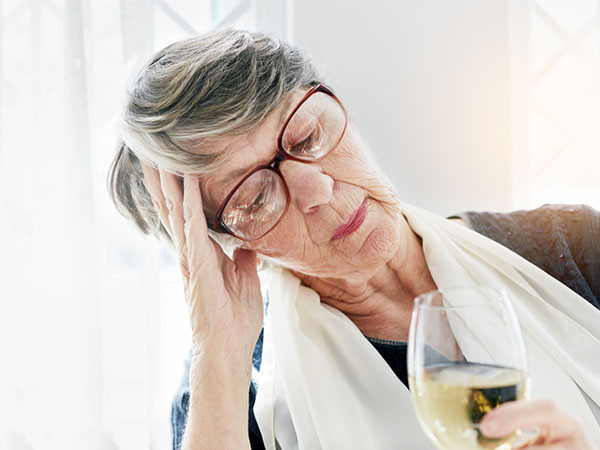
Rising alcohol use among older adults
In recent years alcohol use by older adults has been trending upward, particularly among women. Drinking too much alcohol can have negative consequences on physical and mental health, and age-related changes in the body can place older adults who drink at additional risk.

Harvard Health Ad Watch: Can a wearable device reduce stress?
Stress can affect sleep, mood, and appetite, and the long-term effects of chronic stress have been linked to health issues like cardiovascular disease, obesity, and Alzheimer's disease. A wearable device claims that it can reduce stress and build the wearer's resistance to stressful situations — but how does it work, and can any of its claims be proven?

Supplements: A scorecard
A detailed look at supplements and their medical use.
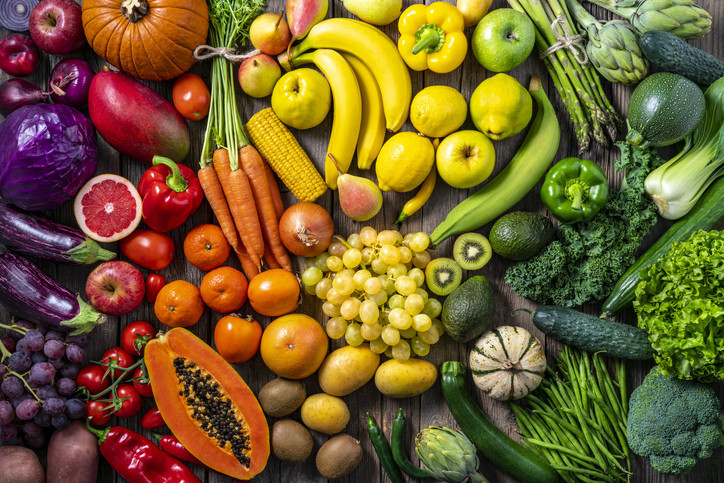
Can flavonoids help fend off forgetfulness?
Eating a broad variety of fruits and vegetables is a good way to get a sufficient intake of flavonoids, chemicals that contribute to many aspects of health. Now, a study suggests that flavonoid-rich foods may also play a role in protecting memory and thinking as people get older.

Long-lasting healthy changes: Doable and worthwhile
Abundant research shows that healthy lifestyle factors protect people against serious health problems like diabetes, high blood pressure, heart disease, stroke, cancer, and more. Even small steps toward a healthier lifestyle can make a big difference in our lives––here's practical advice for making healthy changes stick.

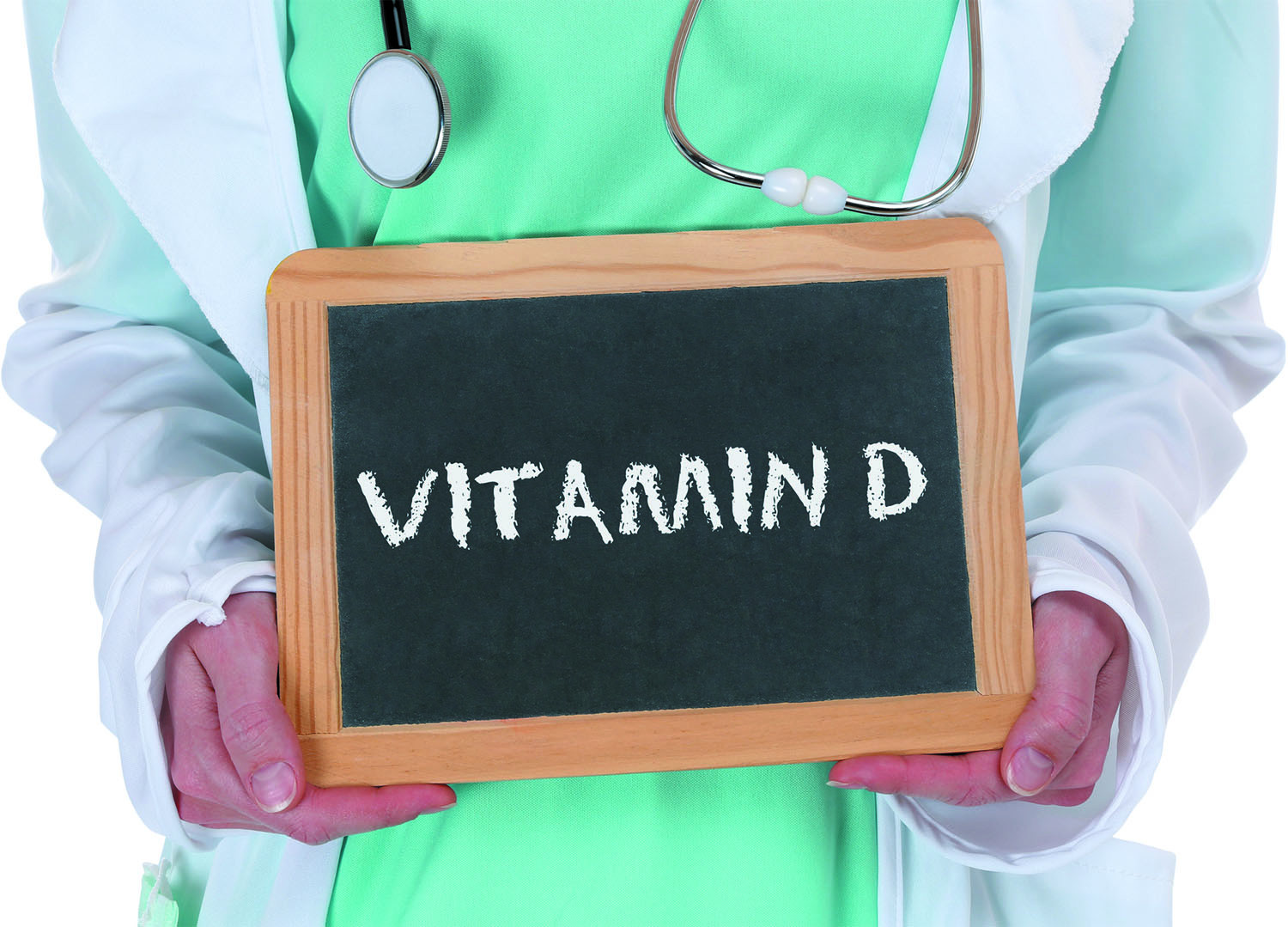
Vitamin D and your health: Breaking old rules, raising new hopes
Vitamin D's primary function is to help the body absorb calcium, though it may also protect against prostate cancer and other diseases. Many people do not get enough from sunlight, its natural source, and should get the needed amount via a supplement.
Even a little exercise linked with lower stroke risk in people with afib
Testosterone therapy without evidence of deficiency may boost heart risk
Weight-loss drug may lower risk of heart attacks and infections
What to eat on the DASH diet
Migraine: How it's diagnosed and what that means
Tricep workouts you can do at home
Mindfulness practices to reduce stress and improve focus
Antihistamines may not offer meaningful relief from eczema symptoms
Overweight and taking blood pressure medications: Study finds it's a trend that's working
FDA approves first mRNA-based flu vaccine
Free Healthbeat Signup
Get the latest in health news delivered to your inbox!
Sign Up
