

Carb cycling: What is it, and does it work?

Understanding orthorexia: Have your healthy eating goals gone too far?

Melatonin or magnesium: Can either supplement help you sleep?

Salmonella, E. coli, Cyclospora, and other germs that cause food poisoning: What you need to know

Shingrix shingles vaccine linked with lower heart disease risks

Harvard study: Healthier fats linked to longer life after prostate cancer diagnosis

Naturally gluten-free foods

Stair climbing may significantly lower cardiovascular risks

Estrogen-only hormone therapy tied to lower dementia risk

Should you have a hysterectomy?
Sinus problems Archive
Articles

What is holding you back from better hearing?
The realities of treatment can help relieve hearing loss concerns.
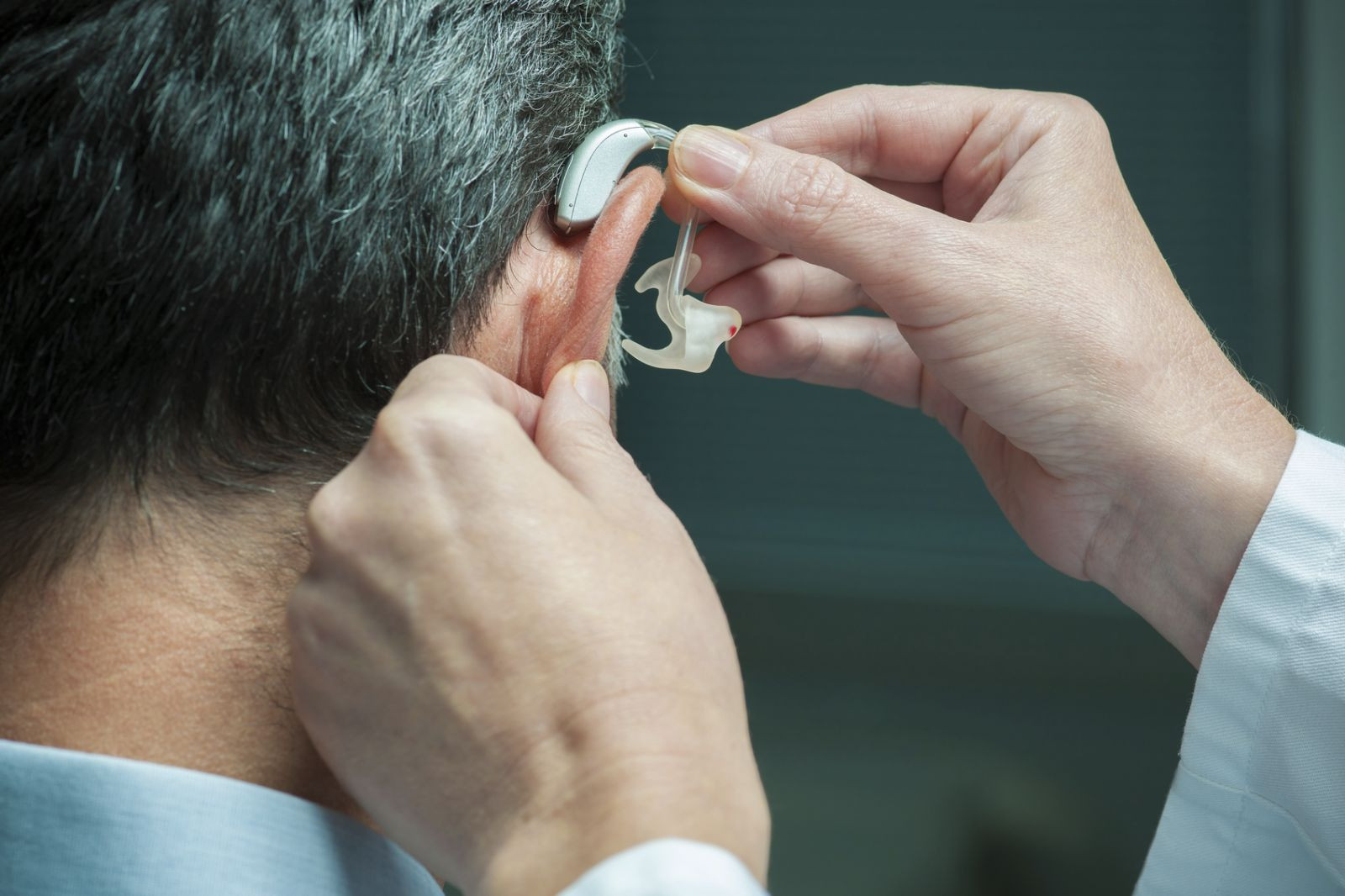
Image: © Thinkstock
Hearing loss is common in older age. It affects one in three people ages 65 or older, and two out of three people ages 75 or older. The condition leaves people struggling to keep up with conversations or simply hear the phone or TV, which can lead to serious problems. "Hearing loss can make a person less likely to engage with friends and family, which can be associated with depression," says Dr. David Jung, an otologist (ear specialist) with Harvard-affiliated Massachusetts Eye and Ear Infirmary.
Common excuses
What you should do
It's easy to overlook evidence that you have hearing loss. The symptoms can be subtle. Perhaps people around you always seem to be mumbling. Perhaps you have a hard time carrying on a conversation in a noisy environment.
If you recognize these symptoms, talk to your primary care doctor. He or she may order a hearing test directly or refer you to an otolaryngologist (ear, nose, and throat specialist).
A visit will likely involve an ear exam, an evaluation of your medical history and how it may be affecting your hearing, and a hearing test by an audiologist. Your team will determine if a hearing aid will help you.
If you can hear the sound of a voice well but have trouble distinguishing the words being spoken, first try some simple tricks. Stand closer to people when they talk. Talk in well-lighted areas so you can see the face of the person you're talking with. Sit closer to a stage if you're at a performance.
What to do about the high cost of hearing aids One of the biggest obstacles to getting hearing aids is money. "Many of my patients are desperate to get a hearing aid, but they can't afford one," says Dr. David Jung, an otologist with Harvard-affiliated Massachusetts Eye and Ear Infirmary. A pair of the devices can cost an average of more than $4,600, yet insurance and Medicare rarely cover any costs. If you need financial assistance, some organizations can help:
The Hearing Loss Association of America (www.hearingloss.org) offers a complete list of resources. Eligibility requirements for hearing aid financial assistance vary. For example, Audient requires that a family of two earn less than about $36,000, and a single person earn less than about $27,000. A move by the FDA is making it easier to obtain over-the-counter hearing aids, which are less expensive than prescription hearing aids. However, over-the-counter devices aren't right for everyone. |
Easier access to hearing aids
The FDA announced in December 2016 that it would no longer enforce the requirement that adults receive a medical evaluation or sign a waiver prior to purchasing most hearing aids.
Carb cycling: What is it, and does it work?
Understanding orthorexia: Have your healthy eating goals gone too far?
Melatonin or magnesium: Can either supplement help you sleep?
Salmonella, E. coli, Cyclospora, and other germs that cause food poisoning: What you need to know
Shingrix shingles vaccine linked with lower heart disease risks
Harvard study: Healthier fats linked to longer life after prostate cancer diagnosis
Naturally gluten-free foods
Stair climbing may significantly lower cardiovascular risks
Estrogen-only hormone therapy tied to lower dementia risk
Should you have a hysterectomy?
Free Healthbeat Signup
Get the latest in health news delivered to your inbox!
Sign Up
