

Estrogen-only hormone therapy tied to lower dementia risk

Should you have a hysterectomy?

Stair climbing may significantly lower cardiovascular risks

Why do I sweat so much?

Walking pneumonia: The "mild" illness that can still pack a punch

Tai chi walking: What is it and does it work?

What causes knee pain: How doctors make a diagnosis
Sacroiliac joint pain: Causes, symptoms, and exercises that help

Where you carry excess weight matters in predicting heart disease risk

Study: At-home colorectal cancer screening may significantly cut colon cancer deaths
Respiratory infections Archive
Articles

No coughing matter
Experts say many over-the-counter cough medicines are ineffective, and that those suffering from a cold-related cough should take an antihistamine with a nasal decongestant.

That nagging cough
A persistent cough that lasts longer than a few weeks can be worrisome, but for nonsmokers, the most common causes include asthma, bronchitis, gastroesophageal reflux disease, and medication for high blood pressure.

Why are you coughing at night?
Several health issues are associated with nighttime coughing. Some of the most common are postnasal drip, gastroesophageal reflux disease (GERD), medication side effects, and heart failure. When a new nighttime cough lasts more than a few weeks, it's important to go to a doctor to rule out dangerous causes, such as heart failure. The doctor can also determine if a drug side effect, postnasal drip, or GERD is causing the cough, and prescribe medications to treat the condition.

Can asthma go away?
Years without wheezing or inhalers can raise questions. Learn how breathing tests help clarify if asthma is truly gone or still there.

What does end-stage emphysema mean in terms of symptoms and life expectancy?
Severe emphysema can bring crippling breathlessness and the need fro supplemental oxygen. Learn how doctors define the final stage and what it may mean for longevity.
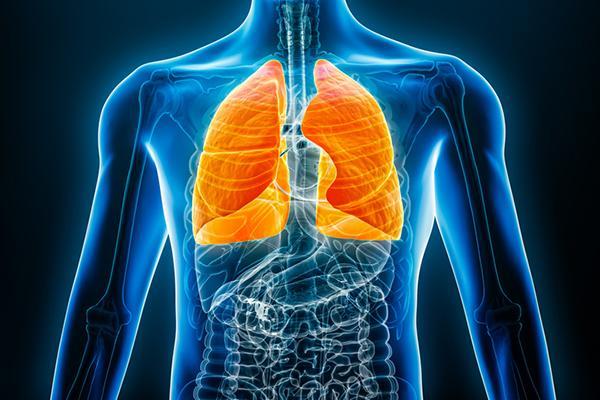
What is pleurisy?
Sharp pain that worsens with a deep breath can signal pleurisy, an inflamed lung lining. It may also indicate something more serious.

How might a COPD exacerbation affect my father's prognosis?
Flare‑ups of COPD can speed lung decline, sap energy, and raise the risk of death. Outlook may depend on smoking status and inhaler treatments.
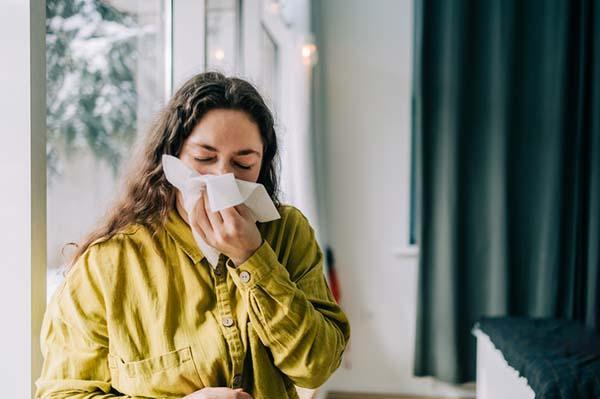
Could mold in the home cause allergy-like symptoms?
Nasal congestion, itchy eyes, fatigue, asthma flares, and skin rashes may trace back to indoor mold. Simple home changes can help cut down exposure.

How often should someone with emphysema get a full pulmonary function test?
Managing emphysema involves more than an occasional lung test. Learn how breathing studies, oxygen checks, and symptoms can be used to track your lung health.

Why does my pneumonia keep returning?
Repeated infections in one lung can point to hidden airway damage, aspiration, immune problems, or inflammation. Tests like CT and bronchoscopy may help identify the cause.
Estrogen-only hormone therapy tied to lower dementia risk
Should you have a hysterectomy?
Stair climbing may significantly lower cardiovascular risks
Why do I sweat so much?
Walking pneumonia: The "mild" illness that can still pack a punch
Tai chi walking: What is it and does it work?
What causes knee pain: How doctors make a diagnosis
Sacroiliac joint pain: Causes, symptoms, and exercises that help
Where you carry excess weight matters in predicting heart disease risk
Study: At-home colorectal cancer screening may significantly cut colon cancer deaths
Free Healthbeat Signup
Get the latest in health news delivered to your inbox!
Sign Up
