

Estrogen-only hormone therapy tied to lower dementia risk

Should you have a hysterectomy?

Stair climbing may significantly lower cardiovascular risks

Why do I sweat so much?

Walking pneumonia: The "mild" illness that can still pack a punch

Tai chi walking: What is it and does it work?

What causes knee pain: How doctors make a diagnosis
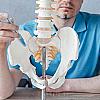
Sacroiliac joint pain: Causes, symptoms, and exercises that help

Where you carry excess weight matters in predicting heart disease risk

Study: At-home colorectal cancer screening may significantly cut colon cancer deaths
Preventive care Archive
Articles

Counting steps or exercise minutes both work to promote health
A 2024 study suggests that women who engage in the most physical activity-regardless of how it's measured-have significantly lower risks of developing cardiovascular disease or dying early.

Is it time for a knee replacement?
Annually, about 790,000 Americans (about 60% women) undergo knee replacement surgery. Women are more likely to have arthritis, the main culprit leading to most knee replacements. Before surgery becomes an option, people first need to try conservative treatments such as pain relievers, injectable medications, and physical therapy. Signs a knee replacement may be necessary include pain that hinders people from doing basic activities, unstable walking, and needing multiple medications to function.

Are cracked cuticles harmful?
Cuticles hinder germs from entering the nail bed. Dry, cracked, or damaged cuticles may become infected, leading to a red, swollen, painful area around the nail. Mild nail infections can be treated at home, but people should see their doctor if the infection doesn't resolve.

Is charcoal toothpaste safe for my teeth?
Charcoal toothpastes, marketed as tooth whiteners, contain activated charcoal, an abrasive substance that can help remove surface stains. While safe in small doses, charcoal toothpaste shouldn't be used daily, since it may damage tooth enamel.

Nutritional power couples
Certain food pairings work synergistically, enabling the body to absorb nutrients more efficiently than if either food were eaten alone. Other combinations keep people full longer. Examples of synergistic combinations include beans and brown rice, spinach and citrus, cereal and milk, tomatoes and olive oil, apples and peanut butter, and turmeric and black pepper. But people absorb nutrients differently, meaning there's no guarantee someone will extract as many nutrients from a certain combination of foods as another person does.

Low-dose aspirin now the preferred agent to help prevent blood clots after knee replacement
A 2024 study found that low-dose aspirin therapy was more effective than taking anticoagulants for reducing the risk of blood clots following a total knee replacement surgery. Aspirin therapy also caused fewer bleeding complications.

New guidelines released for vitamin D testing and supplementation
Updated guidelines say adults don't need routine testing of vitamin D levels. However, they should aim for daily vitamin D intake of 600 international units (IU) until age 70, and 800 IU after that either through vitamin D-fortified foods or a supplement of up to 1,000 IU.

Eating more fruits and vegetables may prevent chronic kidney disease
Eating a plant-based diet that includes a variety of fruits and vegetables has been shown to help lower high blood pressure. A 2024 study has found that these foods may also protect against worsening of chronic kidney disease in people with high blood pressure.

Does a lack of purpose signal cognitive change?
In a 2024 study of 900 dementia-free older adults, those who developed mild cognitive impairment had lower levels of life purpose and personal growth years before a diagnosis, compared with those whose thinking skills remained sharp.

FDA approves blood test for colorectal cancer screening
In 2024, the FDA approved a blood test called Shield as a screening method for colorectal cancer. The test detects 83% of colorectal cancers, but only 13% of precancerous polyps. The FDA approval means that now many insurance plans will pay for the test.
Estrogen-only hormone therapy tied to lower dementia risk
Should you have a hysterectomy?
Stair climbing may significantly lower cardiovascular risks
Why do I sweat so much?
Walking pneumonia: The "mild" illness that can still pack a punch
Tai chi walking: What is it and does it work?
What causes knee pain: How doctors make a diagnosis
Sacroiliac joint pain: Causes, symptoms, and exercises that help
Where you carry excess weight matters in predicting heart disease risk
Study: At-home colorectal cancer screening may significantly cut colon cancer deaths
Free Healthbeat Signup
Get the latest in health news delivered to your inbox!
Sign Up
