

Naturally gluten-free foods

Harvard study: Healthier fats linked to longer life after prostate cancer diagnosis

Shingrix shingles vaccine linked with lower heart disease risks

Estrogen-only hormone therapy tied to lower dementia risk

Should you have a hysterectomy?

Stair climbing may significantly lower cardiovascular risks

Why do I sweat so much?

Walking pneumonia: The "mild" illness that can still pack a punch

What causes knee pain: How doctors make a diagnosis

Where you carry excess weight matters in predicting heart disease risk
Preventive care Archive
Articles

Does your diet deliver vitamin-rich foods?
It's easy enough to look up how much vitamin C or calcium you should get each day. It is also easy to read the back of a vitamin bottle to see just how much of a given vitamin or mineral the product provides. But how can you tell if what you eat — which should be your primary source of important nutrients — is giving you what you need?
One way is to focus on the big picture: eat a balanced diet that contains a variety of colorful fruits and vegetables, whole grains, beans, nuts, dairy products, seafood, lean meats, and poultry. Focus on nutrient-dense foods like these, which are packed with vitamins and minerals relative to the number of calories they deliver, and you should be fine.




What does it take to be a super-ager?
Research suggests that moving out of your comfort zone is the key to staying mentally and physically young.
Finding role models who are older than we are gets more difficult as we age. But in the last few years, medical science has identified a new group we can aspire to join — the super-agers. The term refers to people in their 70s and 80s who have the mental or physical capability of their decades-younger counterparts.
What makes a cognitive super-ager?
Dr. Bradford Dickerson, a neurologist at Harvard-affiliated Massachusetts General Hospital and his colleagues have been studying super-agers for several years. Their results suggest that embracing new mental challenges may be the key to preserving both brain tissue and brain function.

Should I drop calories or boost exercise?
Ask the doctor
Image: © udra/Thinkstock
Q. To lose weight, should I focus more on my calorie count or the amount of time I spend exercising?
A. It is very, very hard to lose weight without both watching your calories and regularly exercising. But it's not that simple. For years, doctors (including me) told patients: "You've got to burn off more calories through exercise than the calories that you eat. If you do that, you'll maintain a healthy weight." We even implied that not being able to maintain a healthy weight, since it was so simple, reflected a weakness of character.
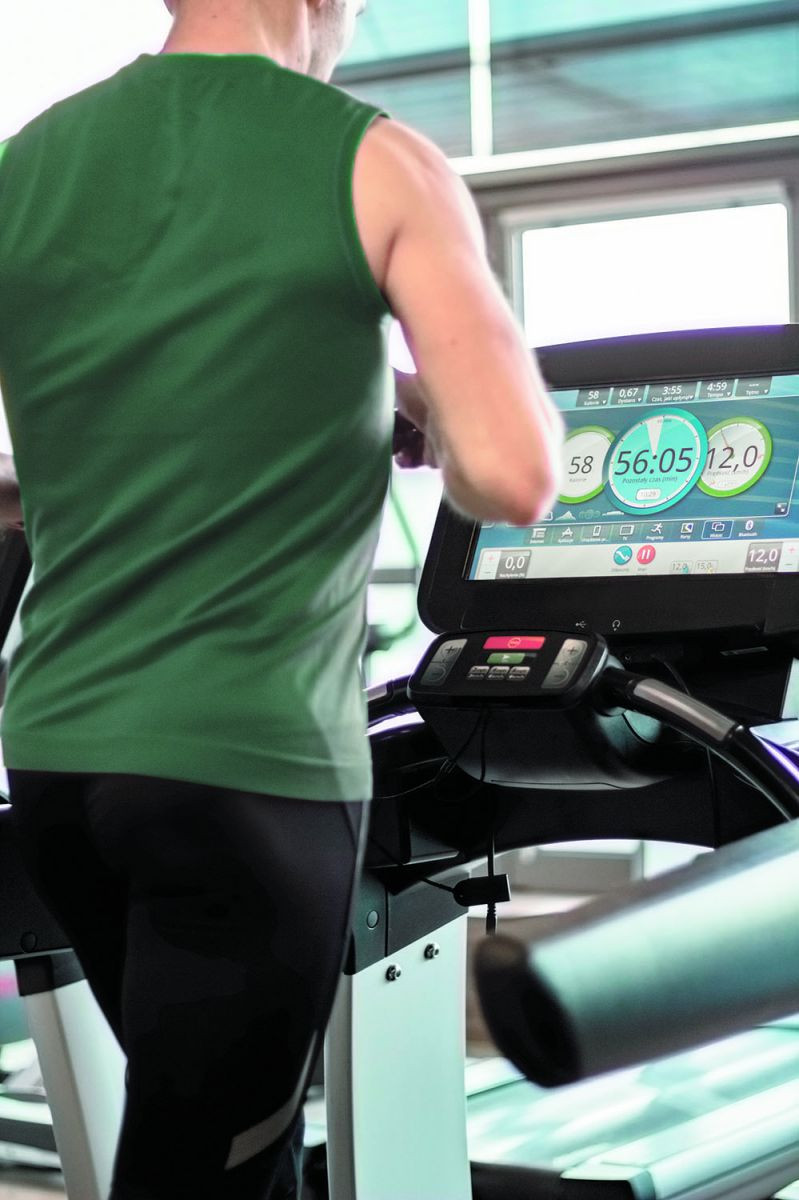
Get smart about treadmills
Treadmills are among the most effective types of exercise equipment — if you know how to use them.
Cardio exercise is essential for all-around health, but many older men have trouble hitting the recommended 150 minutes of moderate-intensity exercise per week. And some people may have limitations that prevent them from doing traditional cardio workouts like walking, running, or swimming.
But there may be another option: the standard gym treadmill.

For men over 50: You can lower your health risks
What if men approached their health at midlife the same way that financial experts advise them to plan for retirement? Some of the same rules apply: take a close look at where things stand now, and then take steps to protect your future. Midlife is a good time to lower health risks and invest for long-term health benefits.
How? First, acknowledge what you can't control. Then put your energies into changing what you can — for the better.
Naturally gluten-free foods
Harvard study: Healthier fats linked to longer life after prostate cancer diagnosis
Shingrix shingles vaccine linked with lower heart disease risks
Estrogen-only hormone therapy tied to lower dementia risk
Should you have a hysterectomy?
Stair climbing may significantly lower cardiovascular risks
Why do I sweat so much?
Walking pneumonia: The "mild" illness that can still pack a punch
What causes knee pain: How doctors make a diagnosis
Where you carry excess weight matters in predicting heart disease risk
Free Healthbeat Signup
Get the latest in health news delivered to your inbox!
Sign Up
