

Naturally gluten-free foods

Harvard study: Healthier fats linked to longer life after prostate cancer diagnosis

Shingrix shingles vaccine linked with lower heart disease risks

Estrogen-only hormone therapy tied to lower dementia risk

Should you have a hysterectomy?

Stair climbing may significantly lower cardiovascular risks

Why do I sweat so much?

Walking pneumonia: The "mild" illness that can still pack a punch

What causes knee pain: How doctors make a diagnosis

Where you carry excess weight matters in predicting heart disease risk
Preventive care Archive
Articles

Losing weight helps your partner slim down, too
In the journals
Image: © FlyMint Agency/Getty Images
People who make an effort to lose weight can help their partner do the same, according to a study published online Feb. 1, 2018, by Obesity.
The study tracked the weight-loss progress of 130 couples over six months. The couples were divided into two groups. In one group, one member of the couple was enrolled in a Weight Watchers program that provided in-person counseling and online tools to assist with weight loss. In the second group, one member of the couple received a four-page handout with information on ways to lose weight, like healthy eating, exercise, and weight-control strategies.

Skin potions that really work
Dermatologists tell us what ingredients to look for in a skin serum to treat a variety of skin conditions.
Image: © zaretskaya/Getty Images
As you get older, you might start to look a little more intently at the rows of lotions and potions at the drugstore and the beauty counter. You may wonder which ones can really help your skin look more like it used to — minus the wrinkles, dark spots, and other signs of aging.
One word that's showing up on labels a lot these days is "serum" — typically on products that promise to brighten and smooth your skin and help roll back the clock. These little glass bottles contain a host of impressive-sounding ingredients such as hyaluronic acid, niacinamide, and L-ascorbic acid. But do they really work?
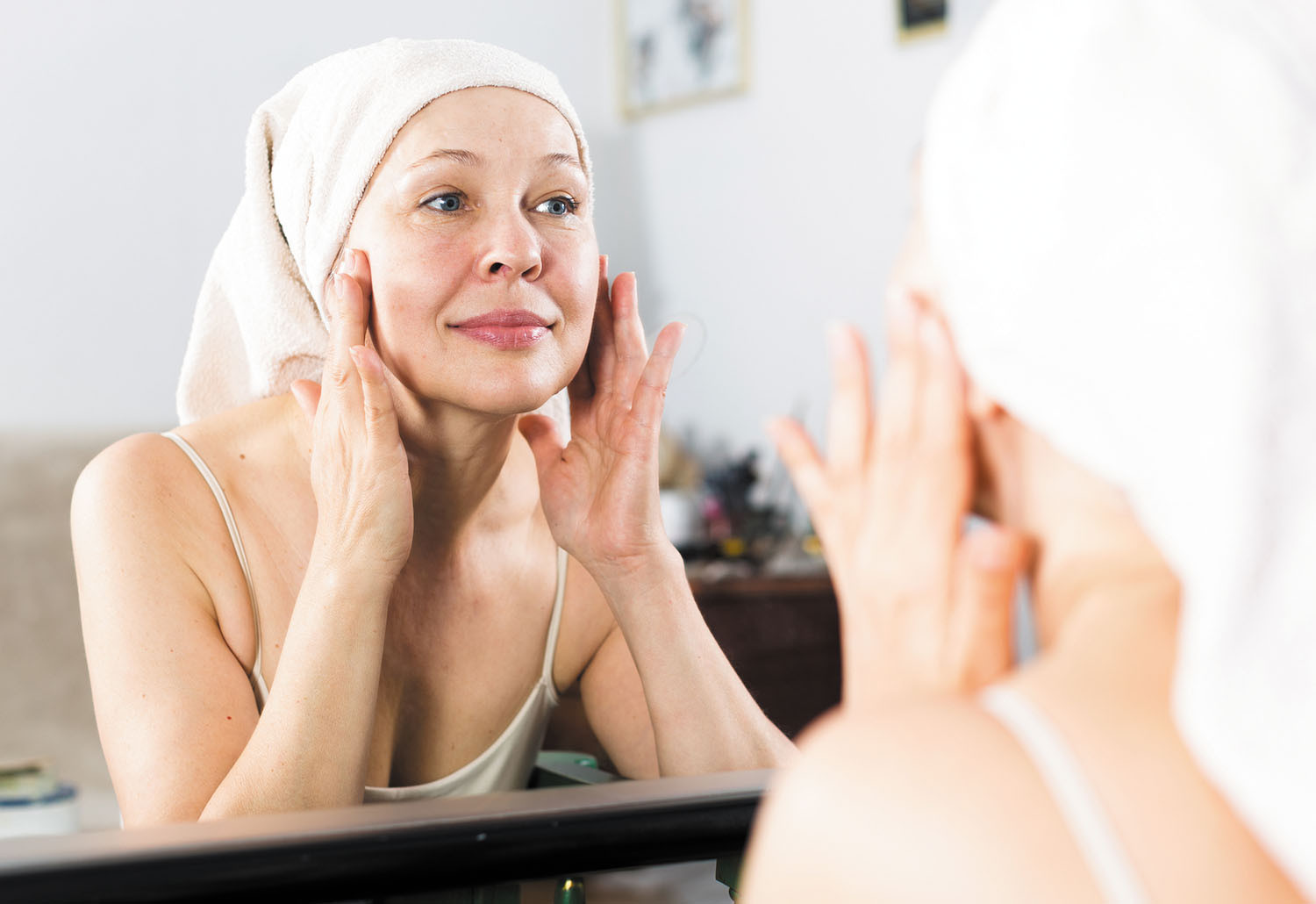
Finding the right serum for your skin
The right combination of components is essential to get the results you hope to see.
Image: © JackF/Getty Images
Serums can be used to treat a wide range of conditions, including brown spots, wrinkles, and dry or acne-prone skin. Below are the ingredients that Harvard dermatologists Dr. Abigail Waldman and Dr. Maryam M. Asgari recommend for various skin conditions.
Problem: Dry or sagging skin
If your skin is dry, tight, and flaky, look for serums that contain vitamin E, niacinamide, and glycolic acid. Also look for ceramides, which are fatty molecules that help hold the skin together and keep moisture from escaping. Other good options are serums that contain hyaluronic acid, or those with collagen peptides, epidermal growth factors, or stem cells.

5 foods to eat (almost) every day
Eating these selections often will pack more nutrients into your diet for better overall health.
Image: © IGphotography/Getty Images
You don't need a whole-life overhaul to improve your health. Sometimes it's small changes that make the biggest difference. This is definitely the case when it comes to your diet. Eating better shouldn't require you to purge your refrigerator and subsist on kale shakes. Simply adding a few nutrient-rich foods to your regular rotation can give your body a boost without making you miserable in the process.
We asked Teresa Fung, adjunct professor in the Department of Nutrition at the Harvard T.H. Chan School of Public Health, what foods you should try to squeeze in every day — or at least every week — for better health.






Naturally gluten-free foods
Harvard study: Healthier fats linked to longer life after prostate cancer diagnosis
Shingrix shingles vaccine linked with lower heart disease risks
Estrogen-only hormone therapy tied to lower dementia risk
Should you have a hysterectomy?
Stair climbing may significantly lower cardiovascular risks
Why do I sweat so much?
Walking pneumonia: The "mild" illness that can still pack a punch
What causes knee pain: How doctors make a diagnosis
Where you carry excess weight matters in predicting heart disease risk
Free Healthbeat Signup
Get the latest in health news delivered to your inbox!
Sign Up
