

Naturally gluten-free foods

Harvard study: Healthier fats linked to longer life after prostate cancer diagnosis

Shingrix shingles vaccine linked with lower heart disease risks

Estrogen-only hormone therapy tied to lower dementia risk
Should you have a hysterectomy?

Stair climbing may significantly lower cardiovascular risks

Why do I sweat so much?

Walking pneumonia: The "mild" illness that can still pack a punch

What causes knee pain: How doctors make a diagnosis

Where you carry excess weight matters in predicting heart disease risk
Preventive care Archive
Articles
Should you take probiotics?
Probiotics can be helpful in some cases, but it's unclear whether they are safe for all older adults.

Two common shoulder injuries and how to avoid them
Two categories of shoulder injuries are particularly common among older adults: rotator cuff injuries and shoulder bone fractures. The key to warding off shoulder injuries is to keep the joints healthy, strong, and flexible. Many of the strategies to do this are the same ones that will reduce fall or fracture risk. Examples include weight-bearing activity, stretching, improving balance, and eating a healthy diet. Other strategies include strengthening the shoulder muscles, stretching the shoulders right before activity that requires shoulder power, and removing fall hazards from the home.

Should you monitor this chronic inflammation marker?
Increasingly, tests that measure C-reactive protein are marketed to health-conscious consumers as a way of determining if they have chronic inflammation. However, the test is just one piece of evidence and should be interpreted by one's doctor. Without that expertise, a customer might not understand what the CRP test result means, and as a result might suffer unnecessary anxiety or pursue unnecessary tests. It's best to talk to one's doctor before seeking tests that measure CRP levels.

Protecting the skin from the sun doesn't increase fracture risk
Protecting the skin from the sun doesn't increase the risk of vitamin D deficiency or bone fracture, according to a recent study.
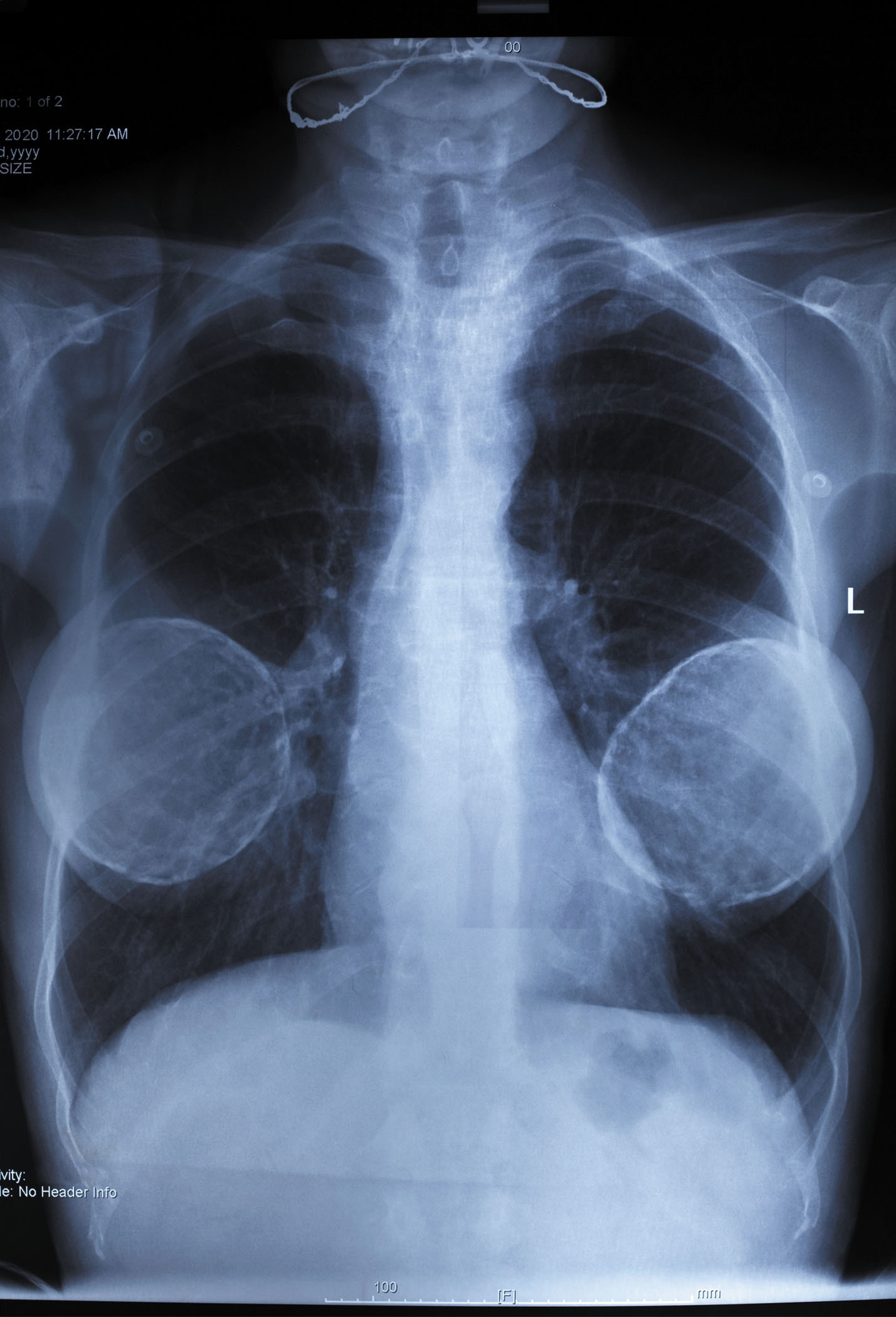
FDA wants women to understand the risks and benefits related to breast implants
The FDA recently moved to help make certain that women considering breast implants have a clear picture of what implants involve before moving ahead with surgery. The agency announced a series of changes in October 2021. These include new labeling requirements for breast implant manufacturers, a requirement that facilities provide patients with a checklist outlining potential risks and benefits related to breast implants, and updated screening recommendations to detect leaks in silicone breast implants.

FTC orders refunds to people who purchased anti-aging products
The Federal Trade Commission called on companies to issue refunds to people who purchased anti-aging products due to unsubstantiated marketing claims.

Can my phone and other devices interfere with my pacemaker?
Certain devices that use magnetic chargers may interfere with cardiac devices such as pacemakers. A doctor should advise people on which ones to avoid or to use caution when operating.

Can I skip colonoscopies after age 75?
Most people don't benefit from colonoscopies after age 75, but before stopping they should have a discussion with their doctor.

Do you need a coronary calcium scan?
A test called a coronary artery calcium (CAC) scan uses a special type of x-ray to look for plaque in the arteries of the heart, which raises the risk of heart-related problems. While CAC scans can be valuable for detecting people at higher risk of heart problems from plaque buildup, this test isn't right for everyone. It's typically most useful for people who don't yet have symptoms of heart disease, but who do have some risk factors. Determining how much plaque is in the arteries can help guide decision making about preventive strategies. The test is less useful for people at very low or very high risk for heart disease.

Dragging your feet? You may need to catch up on sleep
Getting adequate sleep may help improve a person's gait, and catching up on short sleep may help people avoid walking problems usually caused by fatigue.
Naturally gluten-free foods
Harvard study: Healthier fats linked to longer life after prostate cancer diagnosis
Shingrix shingles vaccine linked with lower heart disease risks
Estrogen-only hormone therapy tied to lower dementia risk
Should you have a hysterectomy?
Stair climbing may significantly lower cardiovascular risks
Why do I sweat so much?
Walking pneumonia: The "mild" illness that can still pack a punch
What causes knee pain: How doctors make a diagnosis
Where you carry excess weight matters in predicting heart disease risk
Free Healthbeat Signup
Get the latest in health news delivered to your inbox!
Sign Up
