

Stair climbing may significantly lower cardiovascular risks

Why do I sweat so much?

Walking pneumonia: The "mild" illness that can still pack a punch

Tai chi walking: What is it and does it work?

What causes knee pain: How doctors make a diagnosis
Sacroiliac joint pain: Causes, symptoms, and exercises that help
Where you carry excess weight matters in predicting heart disease risk

Study: At-home colorectal cancer screening may significantly cut colon cancer deaths

Fatty liver disease: Should you be tested?

Even a little exercise linked with lower stroke risk in people with afib
Preventing diabetes Archive
Articles

How a sugary diet may sabotage your heart health
Reducing added sugar in sweetened beverages and packaged foods may help reduce obesity, diabetes, and heart disease in the United States, which could lead to substantial health care cost savings. Most of the added sugar in the typical American diet comes from sugary beverages, which add extra calories that have no nutritional advantages and may contribute to weight gain. Replacing sugar with artificial or non-nutritive sweeteners is one popular option, but it's not clear that eating such products offers any health advantages. A better option would be to substitute fresh, whole foods such as fruit for processed junk food and to drink sparkling water with a splash of juice instead of a soda.

Saturated fat and low-carb diets: Still more to learn?
Low-carbohydrate diets have been popular for many years, but due to the high amounts of saturated fat, doctors and nutritionists worry about possible increased risk of cardiovascular disease. A study comparing three diets found that eating a high-fat diet did not necessarily raise heart risk, but the types and quantities of food make a difference.

What’s new in diabetes drugs

Taming the chronic inflammation of psoriasis

Breathing your way to better health

Did we really gain weight during the pandemic?
Researchers studying weight gain during the pandemic looked at health records for millions of people from both before it and during the first year of it. Unsurprisingly, a significant percentage of people gained weight, but less expected is that nearly as many people lost weight during the same time period.

Better blood sugar tracking: A benefit for heart health?

Can COVID cause diabetes?
COVID-19 infections may raise the risk of developing diabetes, because the virus can damage insulin-producing cells in the pancreas.
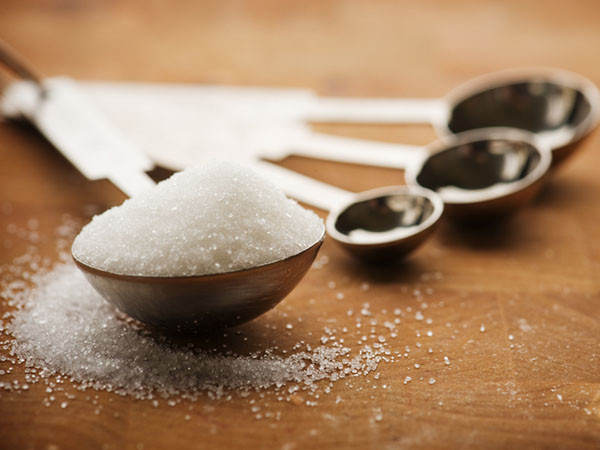
Sugar: How sweet it is... or is it?
As more Americans are considered obese, including children, a study examined what effect a voluntary reduction in the sugar content of foods would have on rates of obesity, diabetes, heart disease, and health care costs. But in the absence of such a change, there are ways you can reduce your sugar intake without having to give up sweet treats entirely.

Do people who have COVID-19 go on to develop other diseases?
Evidence suggests that people who recover from COVID-19 have an increased risk for developing new health problems, including heart attacks, high blood pressure, diabetes, high cholesterol, muscle inflammation, blood clots that travel to the lungs, strokes from clots or hemorrhages, or psychosis. This is in addition to permanent damage that can result from having COVID, including damage to the lungs, heart, kidneys, brain, or other organs; and debilitating fatigue, difficulty thinking, and other symptoms that make it hard to function normally at work or at home.
Stair climbing may significantly lower cardiovascular risks
Why do I sweat so much?
Walking pneumonia: The "mild" illness that can still pack a punch
Tai chi walking: What is it and does it work?
What causes knee pain: How doctors make a diagnosis
Sacroiliac joint pain: Causes, symptoms, and exercises that help
Where you carry excess weight matters in predicting heart disease risk
Study: At-home colorectal cancer screening may significantly cut colon cancer deaths
Fatty liver disease: Should you be tested?
Even a little exercise linked with lower stroke risk in people with afib
Free Healthbeat Signup
Get the latest in health news delivered to your inbox!
Sign Up
