

Even a little exercise linked with lower stroke risk in people with afib

Testosterone therapy without evidence of deficiency may boost heart risk

Weight-loss drug may lower risk of heart attacks and infections

What to eat on the DASH diet

Migraine: How it's diagnosed and what that means

Tricep workouts you can do at home

Mindfulness practices to reduce stress and improve focus

Antihistamines may not offer meaningful relief from eczema symptoms

Overweight and taking blood pressure medications: Study finds it's a trend that's working

FDA approves first mRNA-based flu vaccine
Parkinson's disease Archive
Articles
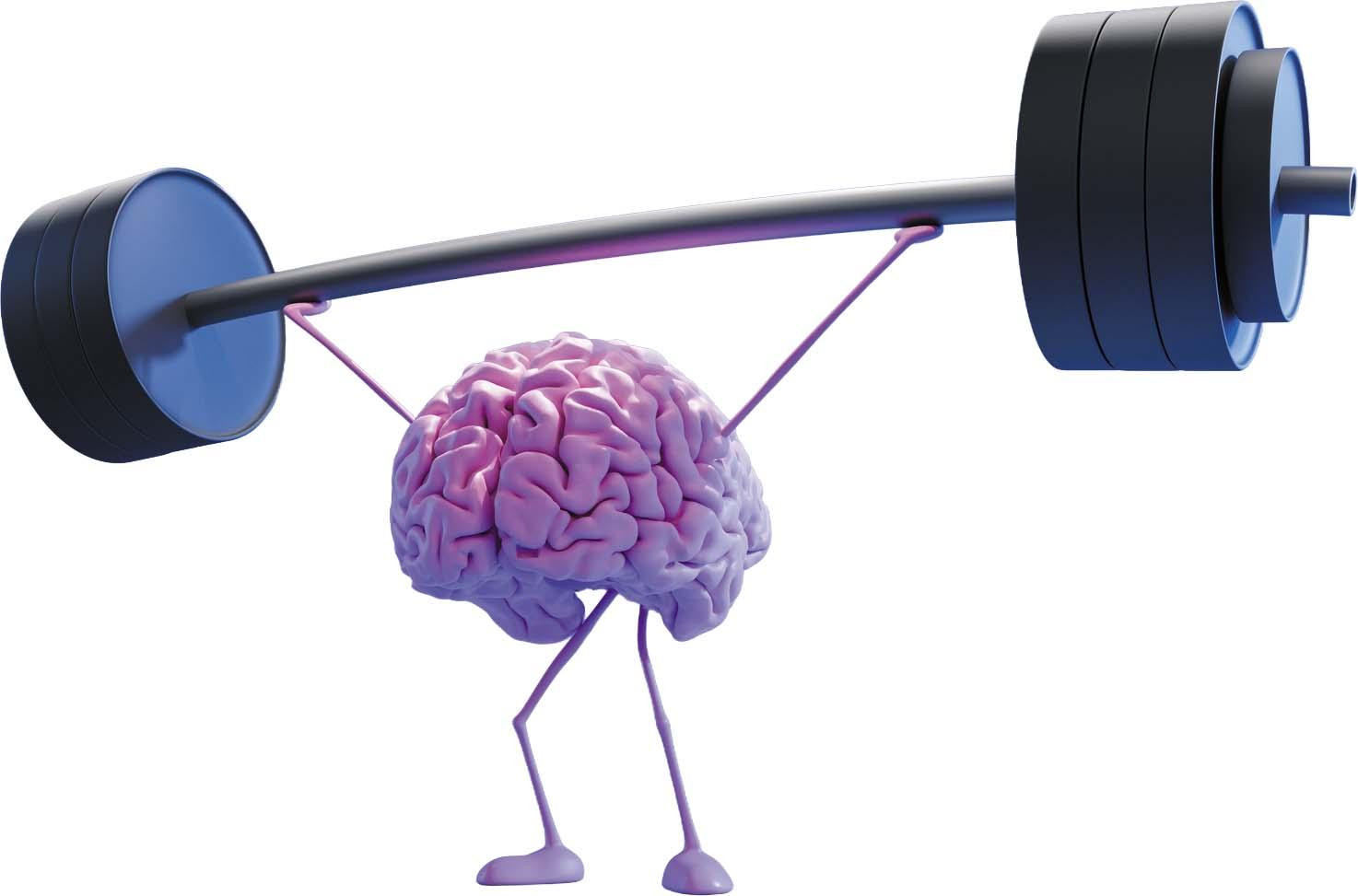
Stroke odds lower for women with higher brain health scores
A 2025 study suggests that women who score highly on a brain health measurement incorporating physical, lifestyle, social, and emotional factors face lower stroke odds.

Too much sleep may harm cognitive performance
A 2025 study suggests that sleeping nine or more hours nightly is associated with worse cognitive performance, an effect that's stronger among people with symptoms of depression.


Working during retirement years
Continuing to work in retirement can address many specific health needs of men as they age, such as stronger social connection, better cognitive health, and a greater sense of purpose. Regular work has been linked with higher rates of happiness and a lower risk for multiple health conditions. For men who don't want to re-enter the workforce, options like volunteering and mentoring can offer many of the same health benefits.

Eat a healthy diet and banish a big belly to protect your mind
In a 2025 study, people with the healthiest diets and trimmest bellies at midlife had better brain connections and skills decades later, compared with people who ate the worst diets and had the most belly fat.

Shingles vaccine may protect against dementia
A 2025 study suggested that getting the shingles vaccine can significantly reduce the likelihood of developing dementia, especially among women.
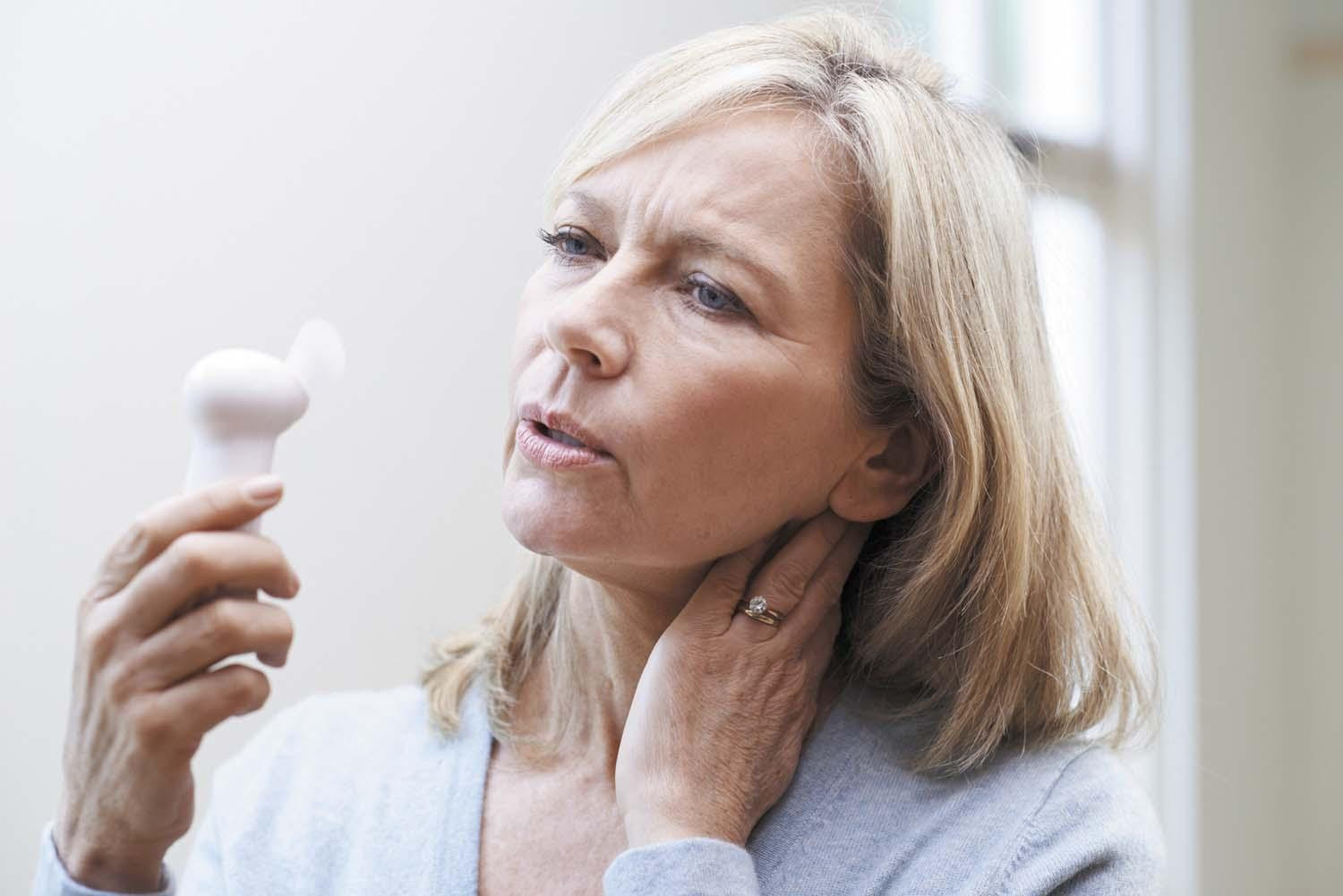
Are hot flashes a warning sign?
Menopausal hot flashes and night sweats, called vasomotor symptoms, are linked in research to higher odds of dementia and cardiovascular disease. But studies don't necessarily account for other health and lifestyle factors that influence brain and heart health. Women who are physically active and have a lower body mass index are less likely to become cognitively impaired. Disrupted sleep, which is common for women with vasomotor symptoms, may also contribute to cardiovascular and cognitive problems.

What is essential tremor?
Essential tremor is marked by involuntary shaking of one or more body parts, such as the hands, arms, legs, or head. Avoiding caffeine and stress and getting plenty of rest can be helpful. Several medications are available to ease the symptoms.
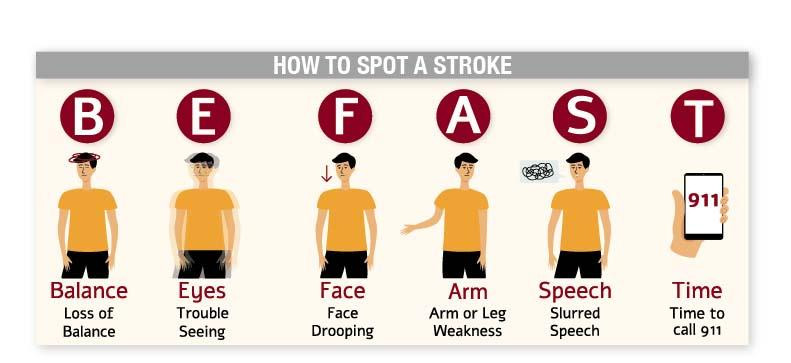
Brief brain attacks: Short symptoms, long consequences
A 2025 study finds that a first-time transient ischemic attack (TIA) can lead to the same long-term decline in thinking and memory problems as a full-blown stroke. Experts suggest cognitive testing after a TIA. People who have TIAs should take extra care to address risk factors for heart attack and stroke, such as high blood pressure and high cholesterol. Exercising regularly and staying socially active may help ward off cognitive decline.

Weight training may protect the brain from cognitive decline
A small 2025 study found that older adults who did six months of weight training improved their ability to recall recent events and information. They also had had less brain shrinkage in regions affected by Alzheimer's disease, compared with people who did not do the training.
Even a little exercise linked with lower stroke risk in people with afib
Testosterone therapy without evidence of deficiency may boost heart risk
Weight-loss drug may lower risk of heart attacks and infections
What to eat on the DASH diet
Migraine: How it's diagnosed and what that means
Tricep workouts you can do at home
Mindfulness practices to reduce stress and improve focus
Antihistamines may not offer meaningful relief from eczema symptoms
Overweight and taking blood pressure medications: Study finds it's a trend that's working
FDA approves first mRNA-based flu vaccine
Free Healthbeat Signup
Get the latest in health news delivered to your inbox!
Sign Up
