

Fatty liver disease: Should you be tested?

Even a little exercise linked with lower stroke risk in people with afib

Testosterone therapy without evidence of deficiency may boost heart risk

Weight-loss drug may lower risk of heart attacks and infections

Migraine: How it's diagnosed and what that means

Tricep workouts you can do at home

Mindfulness practices to reduce stress and improve focus

Antihistamines may not offer meaningful relief from eczema symptoms

Overweight and taking blood pressure medications: Study finds it's a trend that's working

FDA approves first mRNA-based flu vaccine
Medication management Archive
Articles
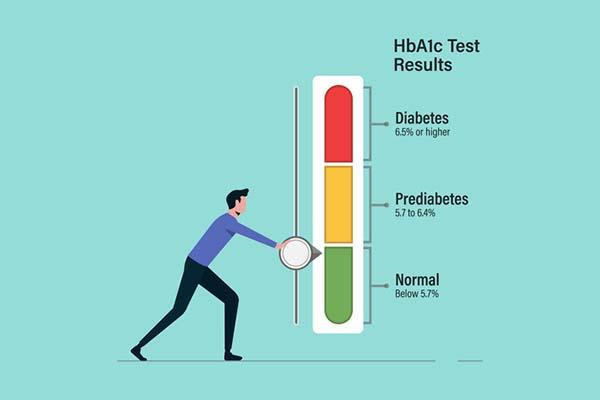
The best test to measure your diabetes risk
A hemoglobin HbA1c test is standard for anyone at risk for diabetes or anyone with diabetes. The HbA1c is a blood test that shows a person's average blood sugar levels over a three-month period.

Effective tips for reducing eye strain
Many activities, such as reading small print or doing needlework, contribute to eye strain. To avoid or reduce eye strain, it helps to keep eye surfaces moist and take breaks when doing anything that requires focused close-up vision.
These hormone supplements are popular - but are they safe?
Synthetic dehydroepiandrosterone (DHEA) is available in various forms, including tablets, capsules, powders, creams, and gels. The supplement is marketed for "fountain of youth" effects, but evidence about its actual effects is mixed.

Tips to master the power nap
A power nap lasts anywhere from 10 to 30 minutes. The shut-eye can effectively increase alertness and focus, enhance mood, reduce fatigue, and possibly support work performance.

Safe and effective high-intensity interval training
High-intensity interval training alternates short bursts of hard effort with recovery, boosting aerobic fitness, heart health, and muscle in less time. For older adults, adjusting intensity to current fitness levels helps keep HIIT safe and effective.
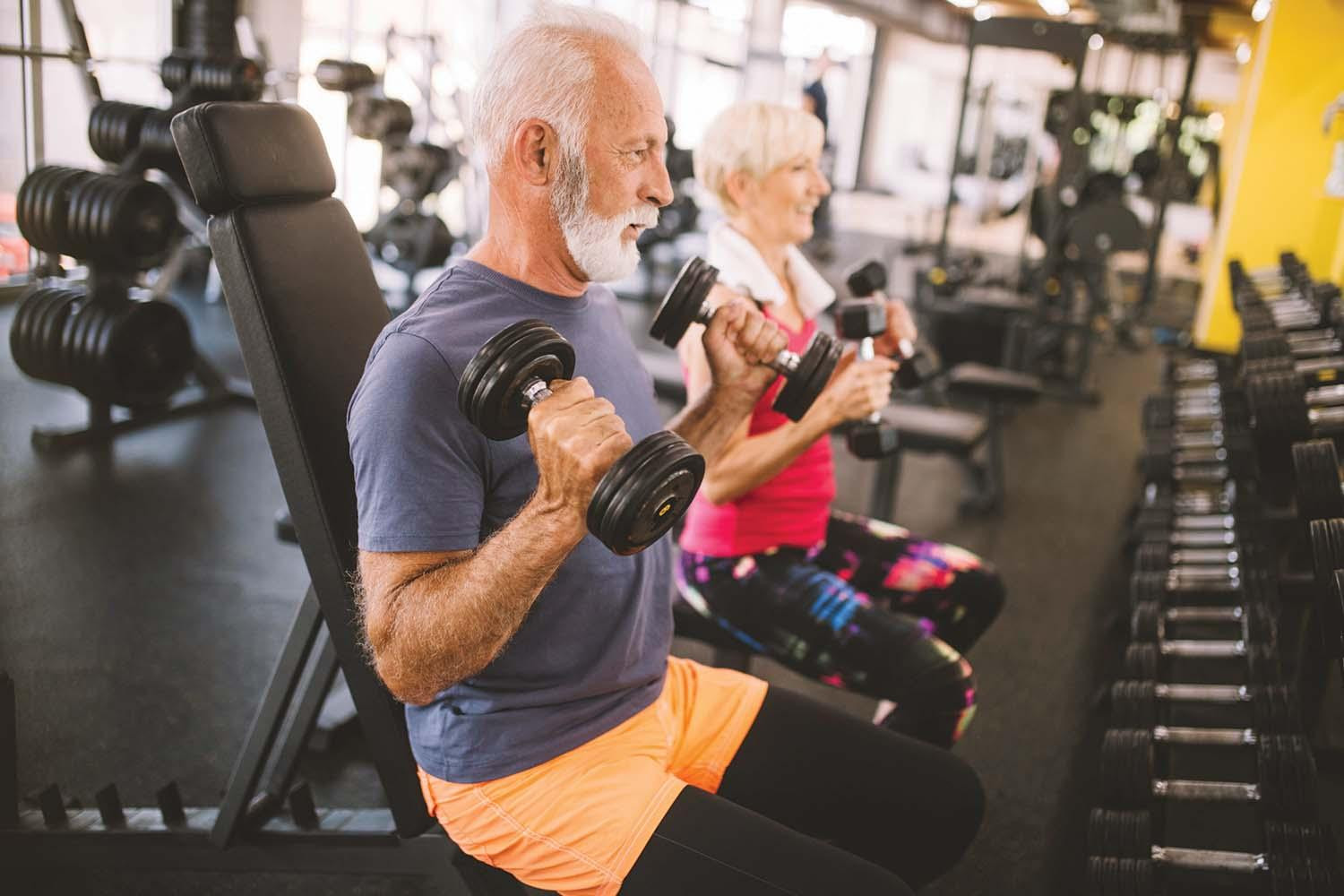
Can you increase your metabolism?
Metabolism-how your body turns food into energy-is strongly influenced by genes, but lifestyle still matters. Choosing nourishing foods, avoiding extreme diets, and building muscle through regular exercise can modestly boost calorie burning and support weight loss.
Boost your cognitive fitness in the new year
The new year is a good time to focus on cognitive fitness. Exercise, healthy eating, mental challenges, good sleep, controlling stress, and social engagement support neuroplasticity and help keep thinking and memory sharp.


Social media posts about statins: Sorting fact from fiction
Social media posts tend to exaggerate side effects (such as muscle aches and memory problems) associated with statins and may spread invalid information about these drugs. This misinformation is a major threat to public health, according to a 2025 article.

How "inflammaging" shapes our health
Inflammaging is chronic, low-grade inflammation throughout the body that occurs with aging. It is believed to accelerate aging and contribute to more than half of all deaths worldwide by driving various age-related diseases such as arthritis, autoimmune conditions, heart disease, cancer, diabetes, and Alzheimer's disease. People can combat inflammaging through healthy lifestyle measures such as exercising, eating healthfully, controlling weight, managing stress, prioritizing sleep, and limiting alcohol and smoking.
Fatty liver disease: Should you be tested?
Even a little exercise linked with lower stroke risk in people with afib
Testosterone therapy without evidence of deficiency may boost heart risk
Weight-loss drug may lower risk of heart attacks and infections
Migraine: How it's diagnosed and what that means
Tricep workouts you can do at home
Mindfulness practices to reduce stress and improve focus
Antihistamines may not offer meaningful relief from eczema symptoms
Overweight and taking blood pressure medications: Study finds it's a trend that's working
FDA approves first mRNA-based flu vaccine
Free Healthbeat Signup
Get the latest in health news delivered to your inbox!
Sign Up
