

Even a little exercise linked with lower stroke risk in people with afib

Testosterone therapy without evidence of deficiency may boost heart risk

Weight-loss drug may lower risk of heart attacks and infections

What to eat on the DASH diet

Migraine: How it's diagnosed and what that means

Tricep workouts you can do at home

Mindfulness practices to reduce stress and improve focus

Antihistamines may not offer meaningful relief from eczema symptoms

Overweight and taking blood pressure medications: Study finds it's a trend that's working

FDA approves first mRNA-based flu vaccine
Medical devices Archive
Articles

Medication and your skin
Certain drugs or treatments may affect the skin, causing side effects like excessive dryness or blue spots.
Having problems with your skin? You may want to look in your medicine cabinet. Numerous prescription drugs and even over-the-counter treatments may bring unexpected skin changes, says Dr. Suzanne Olbricht, an associate professor of dermatology at Harvard Medical School. Medications to look out for include the following.
Blood-thinning medications
Spontaneous bruising that occurs even without bumping into something becomes more common as you get older. Doctors call it senile or actinic purpura and it happens often in people who take medication to prevent blood clots, such as warfarin (Coumadin) or even a baby aspirin. "As you age, the dermis, the thick middle layer of the skin, begins to thin and doesn't support the blood vessels inside as well as it used to," says Dr. Olbricht. This can make the blood vessels more likely to break. Even the tiniest injury can release blood under the skin, leading to the discoloration and dark purple bruises that characterize this condition.

Blood pressure medications may affect your mood
Contrary to conventional wisdom, some blood pressure drugs are linked to a lower risk of depression.
Like all medications, blood pressure drugs sometimes cause unwanted side effects. While many are mild and short-lived, some are more worrisome, including mood changes such as depression. But contrary to what doctors have long assumed, blood pressure drugs may not raise the risk of depression. In fact, some appear to be linked to a lower risk, according to a recent study (see "Depression rates in people taking different blood pressure drugs").
"The traditional view has been that blood pressure drugs that cross the blood-brain barrier are more likely to cause depression," says Dr. Randall -Zusman, a cardiologist at Harvard-affiliated Massachusetts General Hospital. Depression has also been associated with drugs known as beta blockers. But beta blockers (which work in part by slowing the heart rate) can also make you feel tired and listless, which may dampen your mood, Dr. Zusman explains.

Telemonitoring tied to fewer heart attacks, lower medical costs
News briefs
If your doctor or pharmacist offers a service to monitor blood pressure measurements you send from home (called telemonitoring), consider taking advantage of it. Past research has shown that telemonitoring — often paid for by Medicare — may help you reduce your blood pressure. And a study published online Aug. 31, 2020, by Hypertension suggests telemonitoring is also associated with a long-term reduction in heart attacks, strokes, and medical costs. The recent study is a follow-up to a randomized controlled trial from 2013 that divided 450 people into two groups: those who received routine primary care, and those who received a year of telemonitoring services with a pharmacist who helped manage their treatment. People in the telemonitoring group had lower blood pressure for up to two years afterward, compared with people who received routine care. In the recently published follow-up, which followed the same participants for five years, researchers found there were about half as many heart attacks, strokes, and hospitalizations in the telemonitoring group as there were in the group that received routine care. Because there were fewer cardiovascular problems, people in the telemonitoring group also saved an estimated $1,900 each in medical costs.

Get connected with telemedicine
The COVID-19 pandemic has prompted a surge in telemedicine visits. Here's what you need to know about virtual health care.
Telemedicine — interactions with your doctor by video — has been slowly growing for years. But when the COVID-19 pandemic hit the United States earlier this year and forced people into isolation, this emerging form of virtual health care took off.
"In 2020, we've seen a sharp hockey stick–like movement in the number of telemedicine visits," says Dr. Joseph Kvedar, a dermatologist with Harvard-affiliated Massachusetts General Hospital and president of the American Telemedicine Association. "The experience has shown both patients and doctors the many ways telemedicine can improve health care in the current environment and beyond. It appears to be here to stay."

Why do my legs swell at the end of the day?
On call
Q. I would occasionally get some swelling in my legs. But now I notice it by late afternoon every day. I otherwise feel fine. Should I be worried?
A. It sounds like you have edema, swelling in your legs due to fluid in the soft tissues beneath your skin. This usually occurs when pressure from the fluid inside your veins is high, which forces water out of the blood vessels and into the surrounding tissues.

Fish oil drug helps shrink plaque in heart arteries
Research we're watching
A drug made from a highly purified form of EPA (an omega-3 fatty acid found in fish) appears to help reduce plaque in the heart's arteries, according to a study published online Aug. 29, 2020, by the European Heart Journal. The findings may explain why the drug, icosapent ethyl (Vascepa), lowers the risk of heart attack and stroke by 26% in people at high risk for those serious problems.
The study included 80 people with fatty plaque in the arteries of the heart (coronary artery disease). Most of them had diabetes and were taking a statin. Their triglycerides were elevated, ranging from 135 to 499 milligrams per deciliter. Half were randomly assigned to take 4 grams of icosapent ethyl daily; the other half received a placebo.
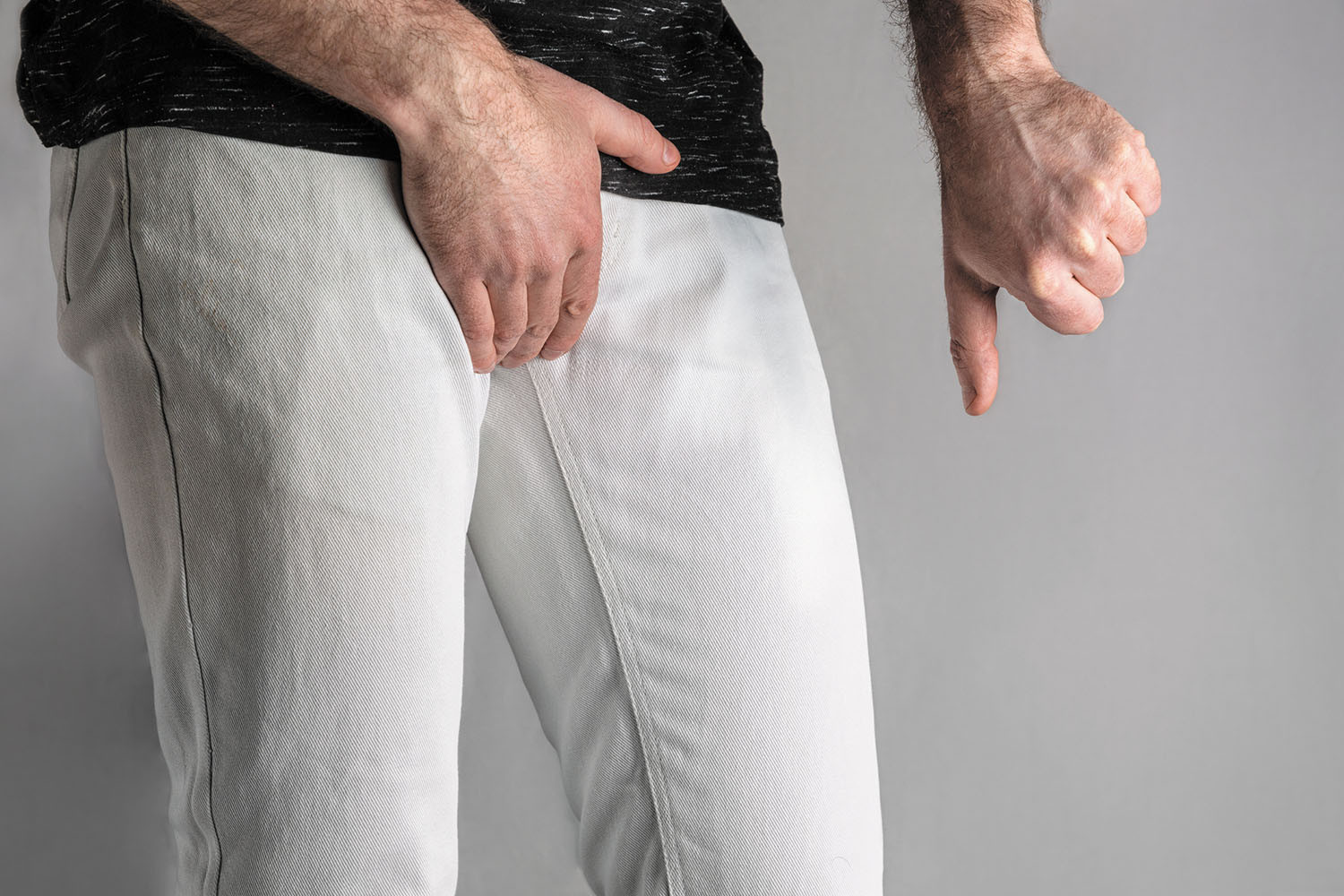
Unlocking the mystery of chronic pelvic pain syndrome
The condition is an all-too-real problem for men, and one of the more difficult to treat.
After age 50, men often have periods of discomfort "down there." It could be a cramping, aching, or throbbing pain in and around your pelvis and genitals. You also may have issues in the bedroom and bathroom. While the problems are real, the cause is often difficult to pinpoint.
It's called chronic pelvic pain syndrome (CPPS) — also known as chronic prostatitis — and it's one of the most puzzling and difficult-to-manage conditions for older men.

Is there a cure for my nightly snoring?
Ask the doctors
Q. My partner says I've been snoring lately. Are there any home remedies I can use to help me stop?
A. Snoring occurs when muscles in your airway relax during sleep, narrowing the airway and making your breath sounds louder as the air forces its way through. There are a number of strategies that can help. Try sleeping on your side instead of your back, which pushes your tongue to the back of your mouth. Clear nasal congestion resulting from allergies or a stuffy nose. Avoid alcohol (which may act as a sedative) and sleep medications known as benzodiazepines, which may cause your airway tissues to relax, making snoring worse. Losing weight can also help, because surplus tissue, caused by weight gain, can put pressure on and compress the airway, making snoring worse. However, if your snoring does not improve, your partner notices that you have periods during the night where your breathing appears to stop, or you regularly feel drowsy during the day, it may be time to pay a visit to your doctor. You could have a condition called obstructive sleep apnea, which may require treatment.

Heart-related complications in people hospitalized with the flu
Research we're watching
Serious heart complications are common in people hospitalized with influenza, according to a study published online Aug. 25, 2020, by Annals of Internal Medicine.
Researchers from the CDC looked at the rates of cardiovascular problems in more than 80,000 adults hospitalized with a confirmed case of influenza (commonly called the flu) from 2010 to 2018. Almost 12% had a serious cardiovascular problem, most commonly heart failure or a lack of adequate blood flow to the heart, known as acute coronary syndrome. The body's immune response against the infection can trigger inflammation and other changes that harm the cardiovascular system.

What could cause low blood pressure?
On call
Q. My blood pressure stays low. Sometimes it drops so low, it causes dizziness and weakness. What causes this?
A. Of the possible causes of low blood pressure, two are at the top of my list. First, I would review your medications. Drugs prescribed to treat high blood pressure and heart disease are the ones that most often cause this side effect. Reducing the dose with your doctor's approval may be all you need.
Even a little exercise linked with lower stroke risk in people with afib
Testosterone therapy without evidence of deficiency may boost heart risk
Weight-loss drug may lower risk of heart attacks and infections
What to eat on the DASH diet
Migraine: How it's diagnosed and what that means
Tricep workouts you can do at home
Mindfulness practices to reduce stress and improve focus
Antihistamines may not offer meaningful relief from eczema symptoms
Overweight and taking blood pressure medications: Study finds it's a trend that's working
FDA approves first mRNA-based flu vaccine
Free Healthbeat Signup
Get the latest in health news delivered to your inbox!
Sign Up
