

Why do I sweat so much?

Walking pneumonia: The "mild" illness that can still pack a punch

Tai chi walking: What is it and does it work?

What causes knee pain: How doctors make a diagnosis
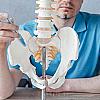
Sacroiliac joint pain: Causes, symptoms, and exercises that help

Where you carry excess weight matters in predicting heart disease risk

Study: At-home colorectal cancer screening may significantly cut colon cancer deaths

Fatty liver disease: Should you be tested?

Even a little exercise linked with lower stroke risk in people with afib

Testosterone therapy without evidence of deficiency may boost heart risk
Libido and sexual performance Archive
Articles

Can the COVID-19 vaccine affect my mammogram?
The COVID-19 vaccine may cause a harmless temporary swelling of lymph nodes that could be mistaken for cancer on a mammogram or other imaging test.

Period equity: What it is and why it matters
Menstruation is a basic fact of human existence, yet millions of people in the US struggle to afford –– or can't afford –– products like tampons and pads, a problem known as period poverty. Menstrual hygiene products are necessities, not luxuries, and period equity addresses this.

Pregnancy problems may predict heart health decades later

American Heart Association issues statement on cardiovascular side effects from hormonal therapy for prostate cancer

Understanding and treating pelvic organ prolapse
This common problem is often ignored or misunderstood.
Roughly half of women over age 50 have pelvic organ prolapse, a condition in which the uterus, bladder, small intestine, or rectum bulges into the vaginal wall or drops down through the vagina. But unlike with other common health conditions, many women don't talk about it — even with their doctors. For some, this may stem from embarrassment, but in other instances, it's because they think it's just something they need to deal with as they age.
"Women will say to me, 'I thought this was normal because I had kids.' But it's not normal. Not everyone who has had a vaginal delivery or is over 65 has urinary incontinence or pelvic organ prolapse," says Dr. Emily Von Bargen, a Harvard Medical School instructor in Obstetrics, Gynecology, and Reproductive Biology. Pelvic organ prolapse is treatable, and it's not something women have to live with, says Von Bargen.

Is male menopause real?
In general, men don't really go through "menopause" because testosterone levels slowly decline over many decades. Symptoms such as low energy and decreased sex drive can sometimes be related to low testosterone levels that may improve with replacement therapy.

Polycystic ovarian syndrome and the skin
Polycystic ovary syndrome is the most common cause of infertility in women. In many cases, women with PCOS have skin and hair issues such as acne, hair loss, or excessive hair growth in places where they normally do not have hair. Treatment options vary depending on the symptoms and each woman's preferences.


Is this normal?
Vaginal discharge can change with age. Here's how to spot signs of a problem that might warrant a trip to the doctor.
Vaginal discharge and bleeding can change during different stages of life, and what's typical for you might not be typical for your sister, your daughter, or your friend. "When it comes to vaginal discharge, a wide range of 'normal' can be considered," says Dr. Kristin Hung, instructor in obstetrics, gynecology, and reproductive biology at Harvard Medical School.
Not only is there natural variation between women, but what's normal for your own body may also change over time. So how can you tell when something is wrong, or if the changes you're noticing are just the result of aging or hormonal shifts? "Typically, most women know their own bodies, and anything new, unusual, or persistent is a reason to seek evaluation," says Dr. Hung. That said, she adds, there are some changes that are pretty typical and others that might warrant a little more scrutiny through a visit to your doctor. Here's how to tell the difference.

What could cause my breasts to become larger?
On call
Q. My breasts have begun to feel swollen and seem larger. What could cause this, and should I be worried about any potential health issues?
A. Swollen breasts in men are almost always caused by either one or both of two conditions: excess fat deposition in the breasts, or growth of actual glandular breast tissue (gynecomastia). Fatty deposition occurs in overweight men and is always present in both breasts. With gynecomastia, the breasts have a firm or rubbery consistency. While it usually affects both breasts, it can affect one breast much more than the other.
Why do I sweat so much?
Walking pneumonia: The "mild" illness that can still pack a punch
Tai chi walking: What is it and does it work?
What causes knee pain: How doctors make a diagnosis
Sacroiliac joint pain: Causes, symptoms, and exercises that help
Where you carry excess weight matters in predicting heart disease risk
Study: At-home colorectal cancer screening may significantly cut colon cancer deaths
Fatty liver disease: Should you be tested?
Even a little exercise linked with lower stroke risk in people with afib
Testosterone therapy without evidence of deficiency may boost heart risk
Free Healthbeat Signup
Get the latest in health news delivered to your inbox!
Sign Up
