

Even a little exercise linked with lower stroke risk in people with afib

Testosterone therapy without evidence of deficiency may boost heart risk

Weight-loss drug may lower risk of heart attacks and infections

What to eat on the DASH diet

Migraine: How it's diagnosed and what that means

Tricep workouts you can do at home

Mindfulness practices to reduce stress and improve focus

Antihistamines may not offer meaningful relief from eczema symptoms

Overweight and taking blood pressure medications: Study finds it's a trend that's working

FDA approves first mRNA-based flu vaccine
Integrative therapies Archive
Articles

Statin use may not benefit people ages 75 or older, study suggests
Research we're watching
To provide more information on the value of statins for older people, which is still a matter of debate, researchers analyzed data on people over 65 who were enrolled in ALLHAT-LLT, a large study conducted between 1994 and 2002.
All participants (average age 71) had high cholesterol and high blood pressure but not heart disease. They were randomly assigned to two groups. One group, of 704 women and 763 men, took pravastatin (Pravachol). The other group, of 711 women and 689 men, didn't take a statin. The analysis indicated that during the five-year study period, there was no significant difference between the groups in the frequency of heart attacks, deaths from heart disease, or deaths from any cause, either among participants ages 65 to 74 or among those 75 or older. The results were published online May 22, 2017, by JAMA Internal Medicine.
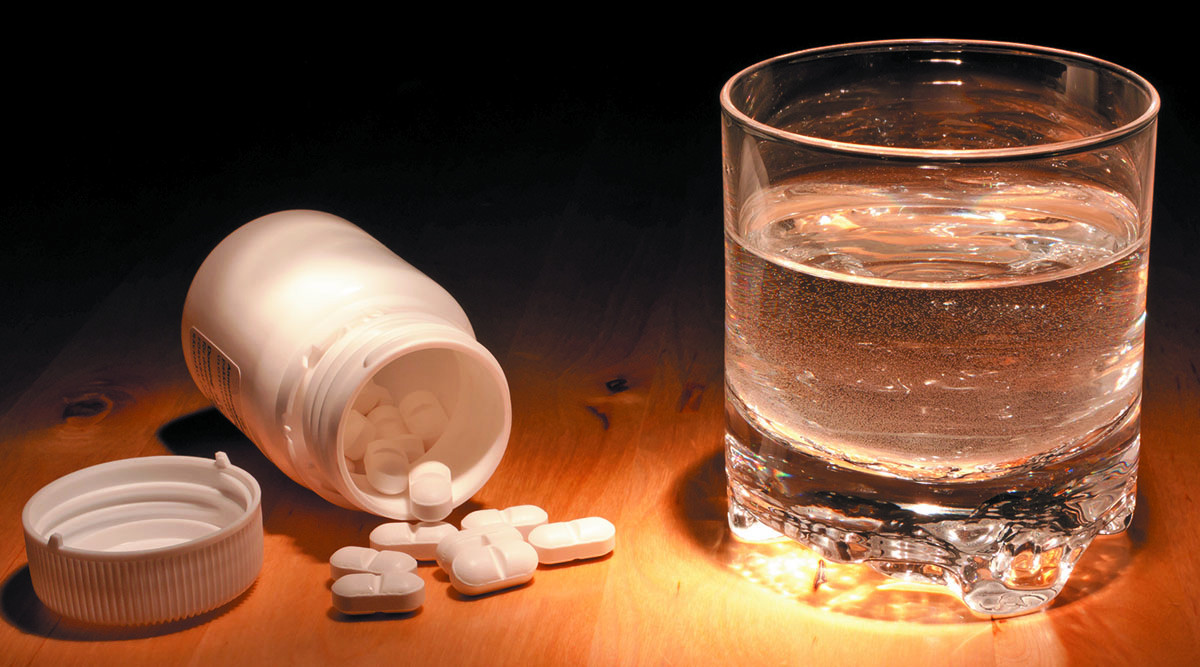
Pain relievers and heart attack risk
Research we're watching
Image: © FinStock/Thinkstock
Heart attack risk may rise within a week of taking daily high doses of certain over-the-counter pain relievers, according to a new study.
Previous research has linked the use of pain relievers known as nonsteroidal anti-inflammatory drugs (NSAIDs) to a heightened risk of heart attack. The new report, published in the May 9, 2017, issue of The BMJ, analyzed data from nearly half a million people, of whom about 61,000 had heart attacks.
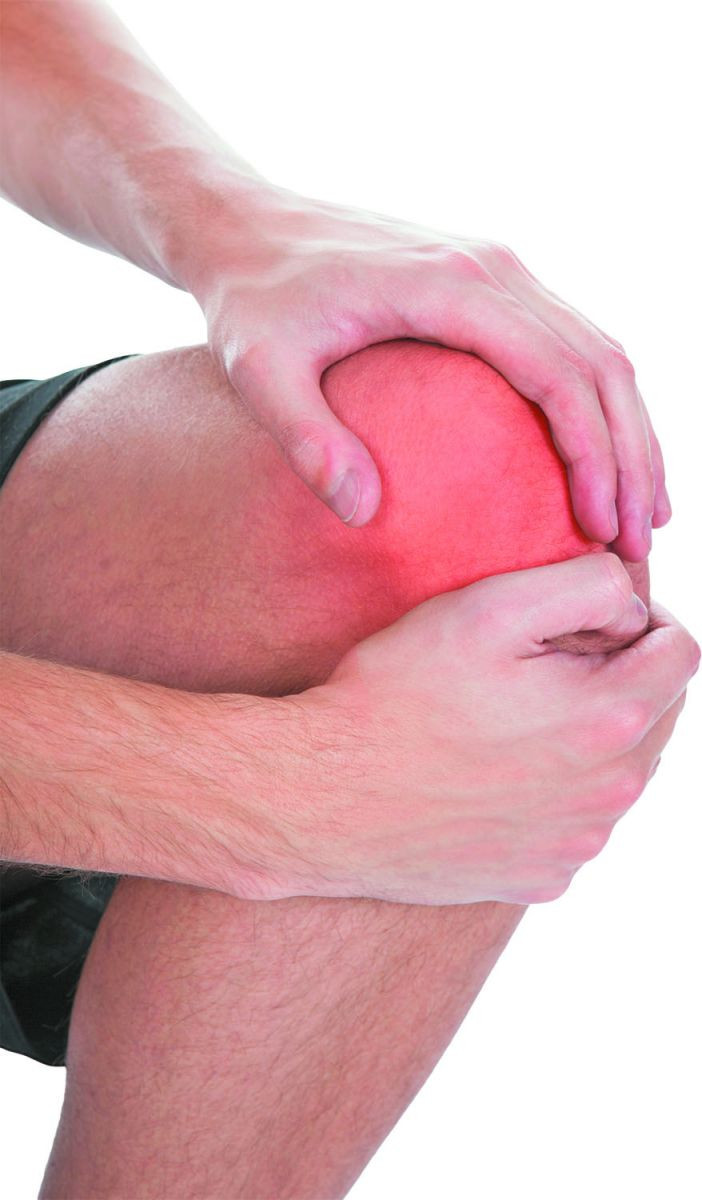
Steroid injections do little for long-term knee osteoarthritis pain
In the journals
Corticosteroid injections are used to ease short-term knee osteoarthritis pain, but a new study in the May 16, 2017, Journal of the American Medical Association suggests the treatment may not help in the long term.
Researchers recruited two groups of 70 people, average age 58, with knee osteoarthritis. One group received 40 milligrams of the steroid triamcinolone (Kenacort, Kenalog, Artistocort) every three months for two years, while the other group got placebo injections. By the end, pain scores — measured on a scale from zero for no pain to 20 for extreme pain — had dropped by only 1.2 points among the steroid group, while the placebo group's score dropped by 1.9 points, neither of which was clinically significant.

8 non-invasive pain relief techniques that really work
| Image: Bigstock |
Sometimes pain has a purpose — it can alert us that we've sprained an ankle, for example. But for many people, pain can linger for weeks or even months, causing needless suffering and interfering with quality of life.
If your pain has overstayed its welcome, you should know that you have more treatment options today than ever before. Here, we've listed eight techniques to control and reduce your pain that don't require an invasive procedure — or even taking a pill.

Learn the risks of sleep aids
Some of these prescription medications are linked to daytime sleepiness, a risk of falls, and more.
Image: © mokee81/Thinkstock
Millions of Americans rely on prescription sleep medications, called sedative hypnotics, to fall asleep. While the drugs can help people get a decent night's rest, they are not designed for long-term use. "Each of the pills has its own risks," says sleep expert Dr. Lawrence Epstein, an instructor in medicine at Harvard Medical School.
Types of sleep aids
Sedative hypnotics fall into three categories.
Melatonin-receptor agonists such as ramelteon (Rozerem) leave the body quickly. They target melatonin receptors in the brain and are not thought to be habit-forming.
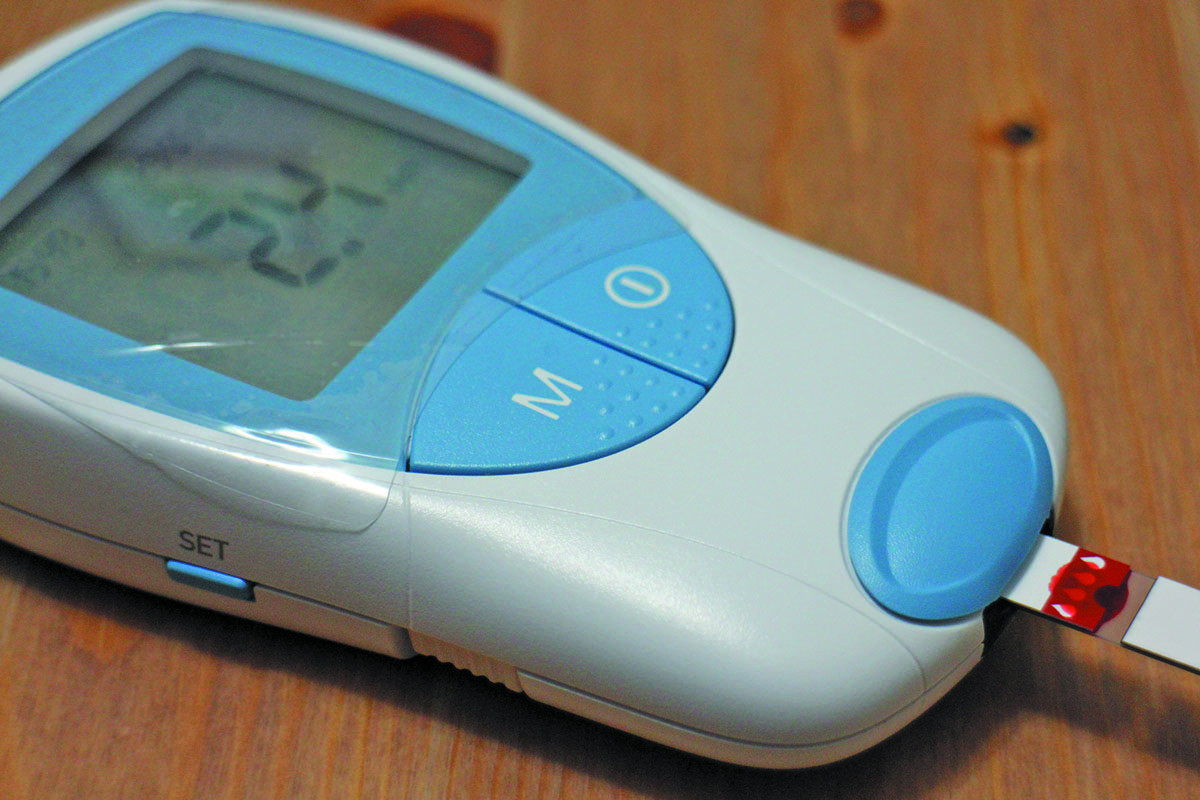
Clot prevention with a mechanical heart valve
Ask the doctor
Image: © Hailshadow/Thinkstock
Q. I have a mechanical heart valve, so I'm taking warfarin. But the frequent blood tests and occasional dose changes are bothersome. When, if ever, will I be able to take one of the new blood thinners instead of warfarin? Off-label use of other drugs is not uncommon. Why isn't that an option in this case?
A. Your question is a good one, and it requires a two-part answer. When doctors prescribe drugs "off-label," that means they believe the drug will help you, even if it has not been FDA-approved specifically for your condition. Sometimes, subsequent research provides strong evidence to support a specific off-label use, which may lead to the drug's FDA approval for that condition. But sometimes, research shows the exact opposite: a medication that doctors assumed would be beneficial is, in fact, not helpful — and sometimes even harmful.

Rethinking good cholesterol
A high HDL cholesterol level may not be as beneficial as once believed.
Image: © JFalcetti/Thinkstock
If you're hoping to avoid heart disease, you probably keep tabs on your blood cholesterol values — especially your low-density lipoprotein (LDL), or "bad" cholesterol. Too much LDL in the bloodstream helps to create the plaque that accumulates inside arteries, raising the risk of a heart attack. The lower your LDL, the lower your risk of having a heart attack.
In contrast, high-density lipoprotein (HDL) has long been known as the "good" cholesterol. These particles are known to patrol blood vessels, grabbing cholesterol from both the bloodstream and artery walls and ferrying it to the liver for recycling and disposal. In population-based studies, people with high HDL levels tend to have fewer heart attacks, while those with lower HDL values have more.
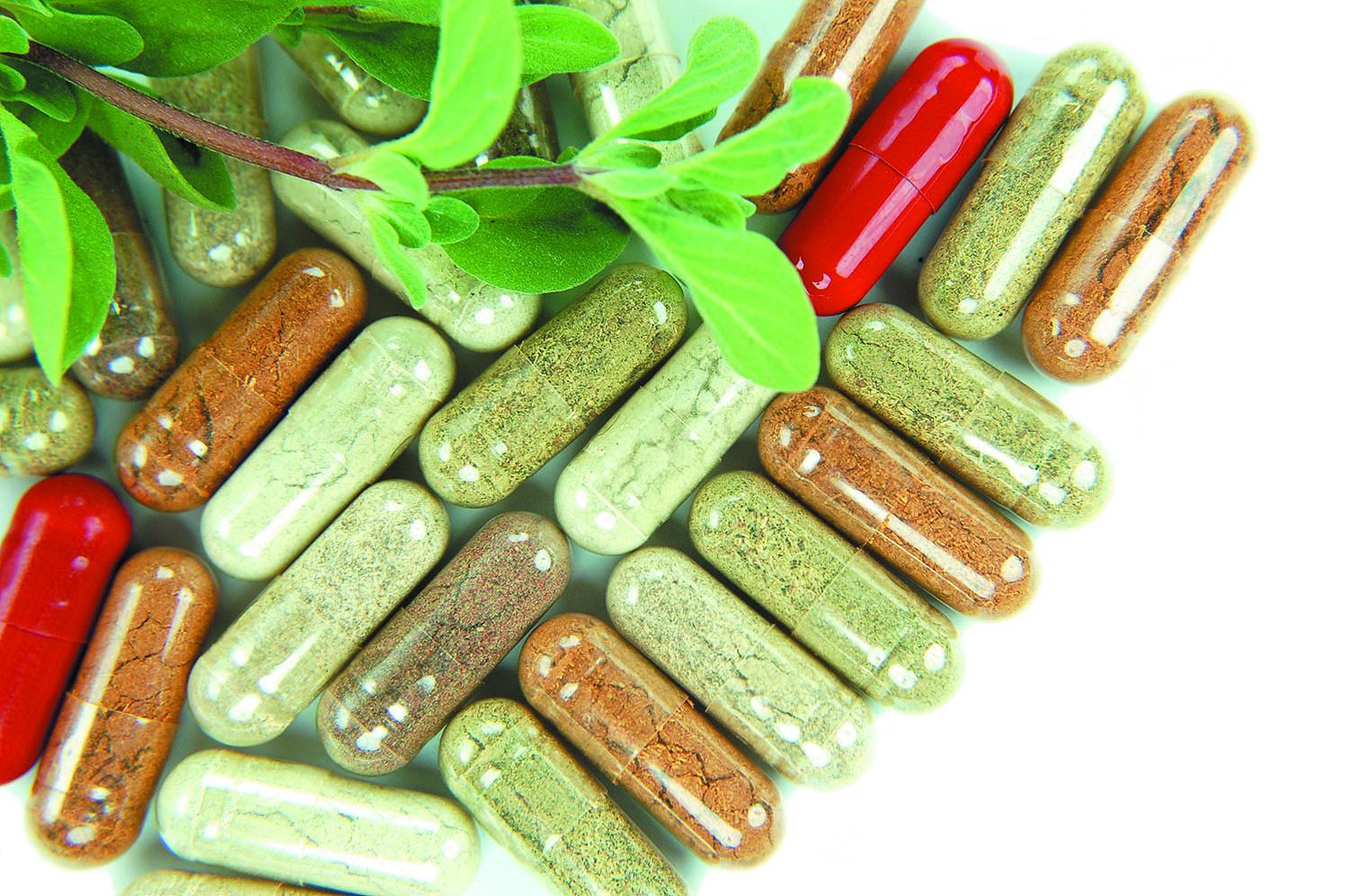
Herbal supplements and your heart: Proceed with caution
Dietary supplements and herbal remedies are big business. Unlike conventional drugs, these products do not undergo extensive testing before they can be sold. Many do not produce the health benefits they promise, and some cases are harmful.
Statin side effects: Is the power of suggestion at play?
Research we're watching
People in drug studies sometimes experience positive effects even when they take inactive, fake pills (the so-called placebo effect). But sometimes, they experience negative effects from the fake drug — a phenomenon known as the nocebo effect. A new study suggests that the nocebo effect may explain some of the muscle pain and weakness reported by people who take cholesterol-lowering statins.
The study, in the May 2, 2017, Lancet, involved more than 10,000 people randomly assigned to take a statin or a placebo. The study was "double blind," meaning neither the participants nor the researchers knew who was taking statins. After about three years, the statin proved effective, and all the participants were offered the choice of taking the drug. Most of them continued in this "unblinded" study for an additional two years, and 65% opted to take the statin.
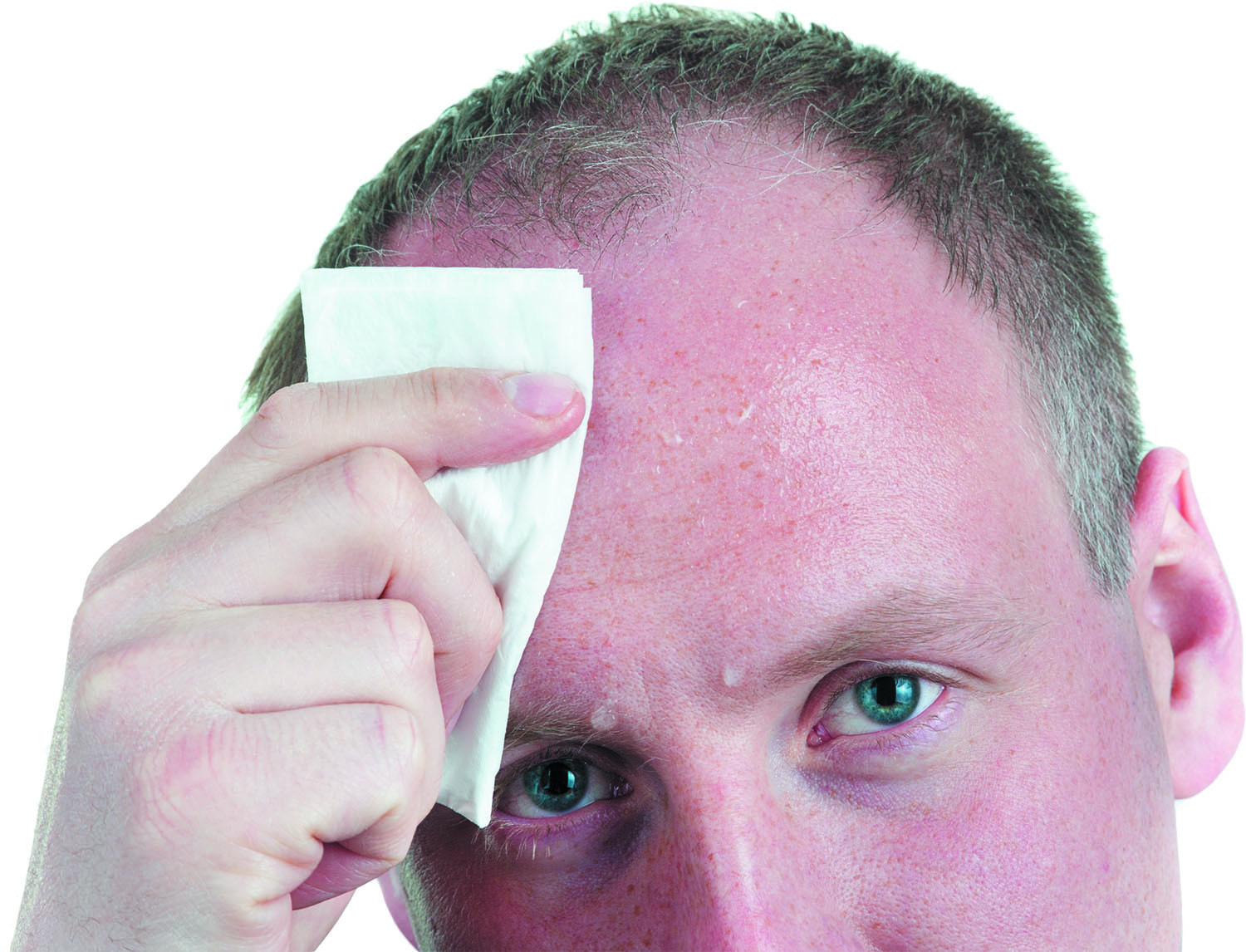
When is heavy sweating a problem?
On call
Image: © EunikaSopotnicka/Thinkstock
Q. I've noticed recently that I sweat excessively, regardless of the temperature. Should I be concerned?
A. Your genes can determine whether you sweat a lot, but a sudden change in your regular sweating may suggest an underlying condition. Sweating is regulated by your nervous system and can be triggered by a number of causes. The primary signal for perspiration originates in the brain in response to a temperature-related or emotional cue, and then is carried by the autonomic nervous system to the sweat glands in the skin.
Even a little exercise linked with lower stroke risk in people with afib
Testosterone therapy without evidence of deficiency may boost heart risk
Weight-loss drug may lower risk of heart attacks and infections
What to eat on the DASH diet
Migraine: How it's diagnosed and what that means
Tricep workouts you can do at home
Mindfulness practices to reduce stress and improve focus
Antihistamines may not offer meaningful relief from eczema symptoms
Overweight and taking blood pressure medications: Study finds it's a trend that's working
FDA approves first mRNA-based flu vaccine
Free Healthbeat Signup
Get the latest in health news delivered to your inbox!
Sign Up
