

Even a little exercise linked with lower stroke risk in people with afib

Testosterone therapy without evidence of deficiency may boost heart risk

Weight-loss drug may lower risk of heart attacks and infections

What to eat on the DASH diet

Migraine: How it's diagnosed and what that means

Tricep workouts you can do at home

Mindfulness practices to reduce stress and improve focus

Antihistamines may not offer meaningful relief from eczema symptoms

Overweight and taking blood pressure medications: Study finds it's a trend that's working

FDA approves first mRNA-based flu vaccine
Integrative therapies Archive
Articles

Early therapy helps people with low back pain avoid medication
In the journals
If you suffer from low back pain and want to avoid taking strong pain medication, you might want to consult a physical therapist first, suggests a recent study published online May 23, 2018, by Health Services Research.
Researchers reviewed insurance claims for approximately 150,000 adults, ages 18 to 64, who had been newly diagnosed with low back pain. They found that those who first consulted a physical therapist had an 89% lower probability of receiving an opioid prescription compared with those who saw another type of medical provider. They were also less likely to have an MRI or CT scan or to seek out emergency care for their pain.

Is whole-body cryotherapy effective and safe?
Ask the doctors
Q. A friend of mine recommended I try whole-body cryotherapy for arthritis pain. Is this technology proven to work?
A. Whole-body cryotherapy is a technology designed to cool the body by exposing it to subzero temperatures (typically –200° to –300° F) for short sessions of two to four minutes. In some cases, people sit in a cold room; in others, they are placed in a special enclosure that cools them from the neck down. The theory behind cryotherapy is that cold temperatures can reduce inflammation and swelling in the body — much like an ice pack would on your swollen ankle. People who promote cryotherapy claim it can help treat symptoms related to numerous conditions, including arthritis, asthma, depression, and chronic pain, among others. They also claim that whole-body cryotherapy can aid in weight loss, soothe sore muscles, boost metabolism, and even get your blood circulating more efficiently. But while that may sound great, there's really no scientific proof that whole-body cryotherapy is safe, or any evidence to support claims about its health benefits, according to the FDA. And the FDA has not cleared or approved any whole-body cryotherapy device to treat any medical condition. In short, whole-body cryotherapy is still unproven and could potentially bring risks, so if you are considering using the technology, it's a good idea to discuss the decision with your doctor first.

A new app can help you chose herbal supplements wisely
Research we're watching
Wondering if that herb or herbal supplement is safe and effective? A new app can tell you. The National Center for Complementary and Integrative Health has introduced a new app called HerbList, which provides research-based information on various herbal products.
The app, which is available free on the Apple App store and Google Play store, is designed to give consumers important details on the safety and effectiveness of some of the most popular herbs and herbal supplements. While marketers may claim these products bring health benefits and are safe, that might not always be the case. This app can help you sort through the claims to determine what's real — and what's not.

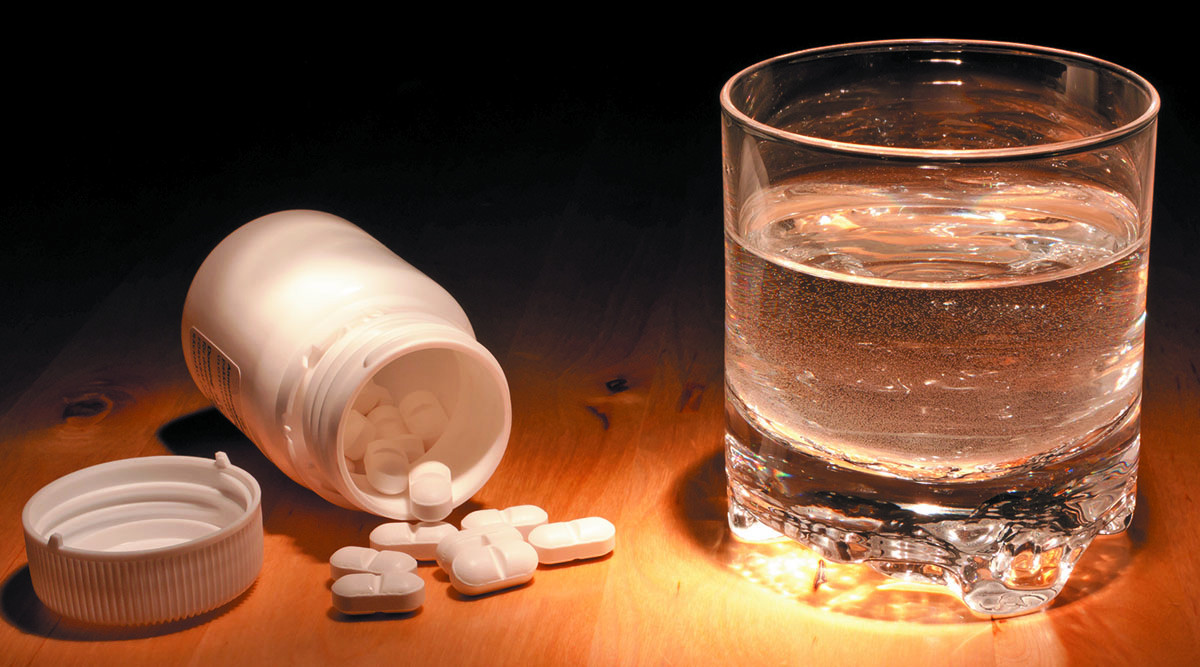
FDA approves first migraine prevention drug
News briefs
Encouraging news for people who suffer with migraines: in May, the FDA approved erenumab (Aimovig), the first medication aimed at preventing these debilitating headaches. Current medications to treat migraines were actually designed to control other conditions, such as seizures or an irregular heartbeat; their side effects (like sexual dysfunction and fuzzy thinking) often cause people to skip treatment. Erenumab offers a new approach. Injected once a month, it works by blocking a molecule (calcitonin gene-related peptide) involved in migraine attacks, and compared with other drugs, it appears to have fewer side effects (primarily constipation and injection site reactions). "This drug is for people who have more than four migraines per month, but it won't take migraines away entirely," says Dr. Gad Marshall, a neurologist at Harvard-affiliated Brigham and Women's Hospital. Clinical trials suggest it can reduce frequency by one or two migraines per month, or even more in some people. "For people with frequent debilitating migraines it could be a game changer," says Dr. Lee Schwamm, a neurologist at Harvard-affiliated Massachusetts General Hospital. "But erenumab is expensive, and it will take time to find out if it's effective and safe over the long term."

Getting the most out of your heart medications
These drugs help prevent potentially life-threatening events. Make sure you're taking them correctly.
Image: © SelectStock/Getty Images
Recently, a Heart Letter subscriber emailed us this query: "Does taking your blood pressure medication at night protect the heart more than if you take it in the morning? If so, why?"
Maybe you've wondered the same thing, or have other questions about the drugs you take to prevent or treat heart disease. In addition to blood pressure pills, these include drugs to lower cholesterol and to prevent blood clots.

An eye on glaucoma drugs
Two recent drugs have opened new treatment opportunities for this common eye disease.
Glaucoma is a leading cause of blindness in people over age 60, and it's estimated that the number of new cases will more than double over the next few decades. "There is no cure for glaucoma once it appears, so treating it at its earliest stages can help save your vision," says Dr. David Solá-Del Valle, an ophthalmologist with Harvard-affiliated Massachusetts Eye and Ear.
Once diagnosed, glaucoma is treated with eye drops to reduce pressure inside the eye by lowering the amount of fluid or improving fluid drainage. They can keep glaucoma from getting worse and hopefully avoid the need for surgery to correct this drainage problem.

Anticholinergic drugs linked with dementia
In the journals
Anticholinergic medications used to treat bladder conditions, Parkinson's disease, and depression are associated with an increased risk of dementia, according to a large study published online April 25, 2018, by The BMJ. Anticholinergic drugs help to contract and relax muscles. They work by blocking acetylcholine, a substance that also transmits messages in the nervous system. In the study, researchers compared the medical records of 40,770 people older than 65 who were diagnosed with dementia and 283,933 seniors without.
They found that people diagnosed with dementia were up to 30% more likely to have been prescribed anticholinergic medications for Parkinson's, bladder problems, or depression. Frequently prescribed anticholinergic drugs include procyclidine (Kemadrin) for Parkinson's; tolterodine, oxybutynin, and solifenacin (Vesicare) for urological conditions like overactive bladder or incontinence; and amitriptyline, dosulepin, and paroxetine for depression. However, there was no association between dementia and anticholinergic drugs used to treat other common conditions like hay fever, travel sickness, and stomach cramps.

Stay safe from superbugs
Understanding superbugs can help you avoid them.
Image: © Manjurul/Getty Images
It used to be that if you got an infection, you could pop an antibiotic pill and rest assured that it could help you fend off your bacterial attacker. But those old tried-and-true pills may not be as effective as they once were, thanks to a rising number of new types of bacteria often referred to as superbugs.
"'Superbug' is essentially a slang term developed by the press that refers to highly antibiotic-resistant bacteria that can cause human infections," says Dr. David Hooper, an infectious disease specialist and professor of medicine at Harvard Medical School.

Pain relief, opioids, and constipation
Constipation from pain medication – such as opioids – is a common problem
Prescription opioids provide pain relief, but constipation from pain medication is an all too common side effect.
As we age, pain and pain control become an important issue. Many of the conditions that cause pain disproportionately affect people starting at about age 65. In some surveys, half of respondents ages 60 and older have said that they suffer from chronic pain. About 70% of cancer deaths occur in people ages 65 and older, so cancer pain is frequently the older person's problem.
Even a little exercise linked with lower stroke risk in people with afib
Testosterone therapy without evidence of deficiency may boost heart risk
Weight-loss drug may lower risk of heart attacks and infections
What to eat on the DASH diet
Migraine: How it's diagnosed and what that means
Tricep workouts you can do at home
Mindfulness practices to reduce stress and improve focus
Antihistamines may not offer meaningful relief from eczema symptoms
Overweight and taking blood pressure medications: Study finds it's a trend that's working
FDA approves first mRNA-based flu vaccine
Free Healthbeat Signup
Get the latest in health news delivered to your inbox!
Sign Up
