

Even a little exercise linked with lower stroke risk in people with afib

Testosterone therapy without evidence of deficiency may boost heart risk

Weight-loss drug may lower risk of heart attacks and infections

What to eat on the DASH diet

Migraine: How it's diagnosed and what that means

Tricep workouts you can do at home

Mindfulness practices to reduce stress and improve focus

Antihistamines may not offer meaningful relief from eczema symptoms

Overweight and taking blood pressure medications: Study finds it's a trend that's working

FDA approves first mRNA-based flu vaccine
Integrative therapies Archive
Articles

Pill-free treatment for urinary incontinence
News briefs
Here's some relief for people with urinary incontinence who don't want to take pills to treat the problem: behavioral therapy (bladder training) works better for urinary incontinence than medication, according to a study published online March 18, 2019, by Annals of Internal Medicine. Researchers reviewed 84 randomized trials of women (average age 55). The studies evaluated 14 categories of incontinence treatments, including pill-free therapy and medications such as anticholinergic drugs — for example, oxybutynin (Ditropan). Most of the strategies (except taking hormones or getting injections of a bulking agent near the urethra) were more effective than doing nothing to treat incontinence. But for both stress incontinence (the kind that makes you leak when you laugh) and urge incontinence (the kind that makes you rush to the bathroom), behavioral therapy was the most effective treatment, beating medications and neuromodulation (electrical stimulation of the nerves that control the bladder). The catch: it takes practice to make behavioral therapy effective. But it may be worth the effort, since medications for incontinence often have side effects.

For most people, no need for niacin
Research we're watching
Hundreds of thousands of people in the United States take prescription niacin (also known as vitamin B3) as part of a regimen to prevent heart disease. But a new analysis that was published April 12 in JAMA Network Open suggests this old drug offers no benefit for most people.
The analysis included 35,760 patients from 17 clinical trials documenting the effect of niacin on at least one cardiovascular disease outcome. About half of the people were taking niacin, and the remainder received placebo, usual care, or other lipid-lowering agents. Over all, niacin was not helpful in preventing any serious heart-related events, strokes, or deaths from heart disease.


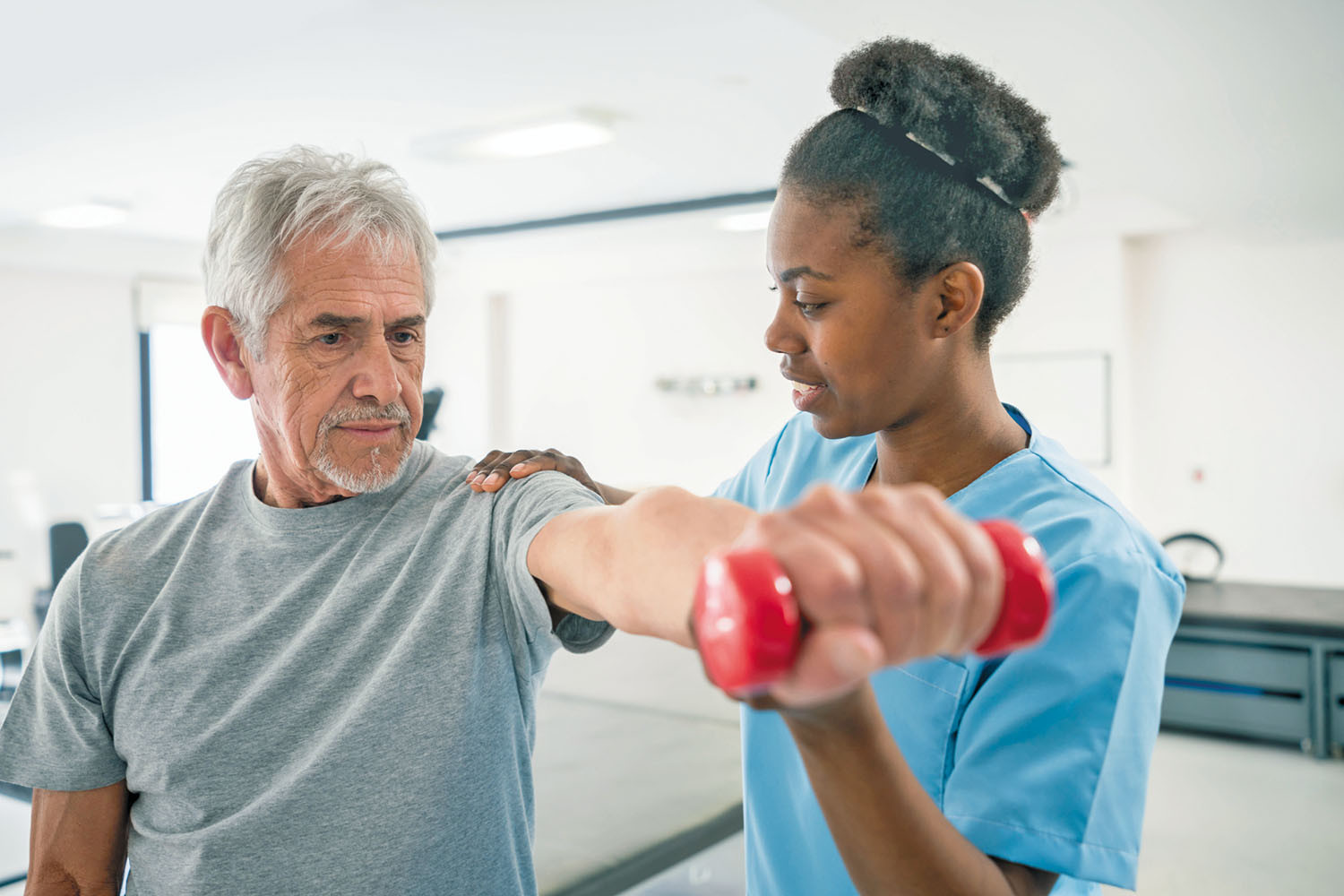
Fight back against muscle weakness
Pinpoint the cause and take steps to preserve your mobility and independence.
Muscle weakness is sneaky. It often appears gradually and makes once-simple tasks harder — like having to rock back and forth to get out of a chair or tug a few times on the car door to open it.
More than an inconvenience, muscle weakness has a domino effect on health. It slows your metabolism (how fast your body burns energy), puts more pressure on your joints, hurts your posture, throws off your balance, and limits your mobility.

Taking medications on the road
Ask questions about rules, and get supplies in advance.
When it's time for an overnight or extended trip, there are lots of things to pack — your clothes, toiletries, and maybe important documents. But sometimes medicine isn't at the top of the list. "I hear about people forgetting medications at home, not bringing enough for the whole trip, or packing them in a suitcase that gets lost," says Dr. Suzanne Salamon, associate chief of gerontology at Harvard-affiliated Beth Israel Deaconess Medical Center.
Whether you're staying across town or traveling around the world, consider the following strategies to help you maintain your medication regimen.

Heart attacks: Less frequent and less deadly than 20 years ago
Research we're watching
Fewer older adults are having heart attacks, and more are surviving them, according to a study published March 15 in JAMA Network Open.
Researchers analyzed data from more than 4.3 million people ages 65 and older who had suffered heart attacks over a 20-year period beginning in 1995. Back then, 20% of those included in the study died from their heart attacks. By 2014, that number had fallen to 12%.
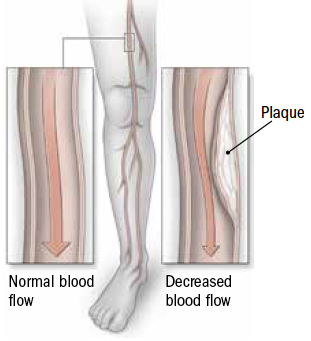
A leg up on peripheral artery disease
The condition causes leg pain and fatigue that make activity difficult, but lifestyle changes can improve how you feel.
The occasional leg pain or stiffness is often not cause for concern, but if pain or fatigue develops after just a few minutes of walking or climbing stairs, it could be an early sign of peripheral artery disease (PAD).
"PAD not only interferes with an active lifestyle, but also can put you at higher risk for a heart attack and stroke," says Dr. Michael Belkin, chief of the Division of Vascular and Endovascular Surgery with Harvard-affiliated Brigham and Women's Hospital. "You can't cure PAD once it occurs, so you want to take measures to avoid it as much as possible."

Look out for Lyme
Here's how to protect yourself from this growing tick-borne disease.
Summer is the ideal time to enjoy the outdoors, but while you're interacting with nature, you need to look out for ticks that carry Lyme disease, the most common tick-borne disease in the United States.
About 300,000 people are diagnosed with Lyme disease each year, according to the CDC, and new research suggests that number will rise by 20% by mid-century.

Is under-the-tongue allergy therapy safe and effective?
Ask the doctors
Q. I have seasonal allergies and I'm thinking about getting allergy shots to control them. But I hate shots and would prefer the sublingual treatments. Are these treatments considered equally safe and effective?
A. The short answer to your question is yes. Sublingual allergy treatments, which are small doses of allergens administered as tablets or liquid drops under the tongue, are considered safe and effective compared with allergy shots.
Even a little exercise linked with lower stroke risk in people with afib
Testosterone therapy without evidence of deficiency may boost heart risk
Weight-loss drug may lower risk of heart attacks and infections
What to eat on the DASH diet
Migraine: How it's diagnosed and what that means
Tricep workouts you can do at home
Mindfulness practices to reduce stress and improve focus
Antihistamines may not offer meaningful relief from eczema symptoms
Overweight and taking blood pressure medications: Study finds it's a trend that's working
FDA approves first mRNA-based flu vaccine
Free Healthbeat Signup
Get the latest in health news delivered to your inbox!
Sign Up
